Titanium CNC Milling
3- and 4-axis milling of titanium brackets, plates, and fittings for aerospace, defense, and medical programs. Rigid workholding and controlled parameters manage titanium's low thermal conductivity and cutting forces on repeat production.
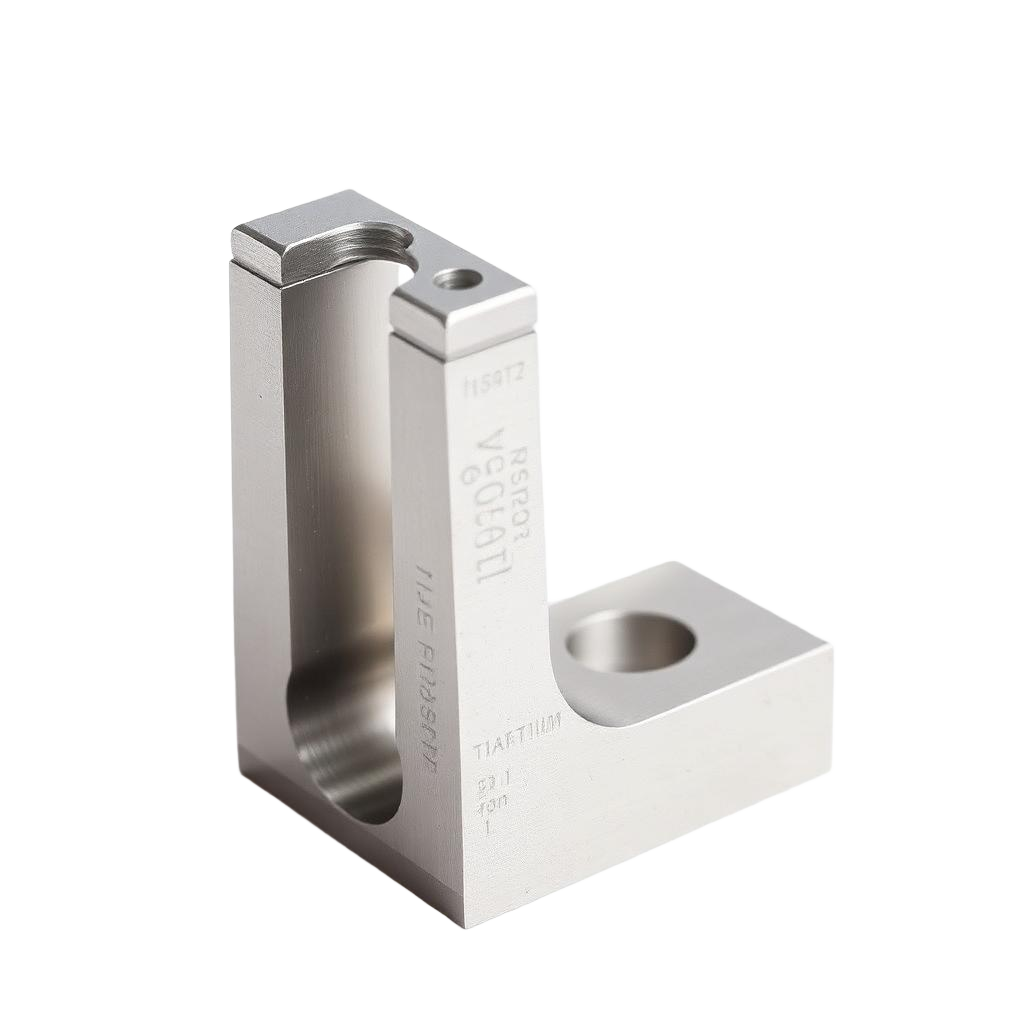
- Typical Tolerance
- ±0.001"
- Common Grades
- Grade 2 · Ti-6Al-4V (Grade 5) · Grade 23 (Ti-6Al-4V ELI)
- Production
- Prototype → Production
- Machine Type
- Haas VF-4SS 3-axis vertical machining center
Why Titanium Is Suited to CNC Milling
CNC Milling pairs well with titanium when setups are rigid and parameters are disciplined. Titanium's low thermal conductivity concentrates heat at the cutting edge and its work-hardening tendency penalizes rubbing, so controlled engagement and coolant strategy protect tool life and surface integrity.
3- and 4-axis production of titanium brackets, housings, and fittings
Documented setups for repeat aerospace and medical programs
Rigid workholding tuned to titanium's cutting forces and heat behavior
DFM feedback on features that drive titanium cycle time
Machining Titanium on CNC Milling
Titanium has low thermal conductivity, so heat concentrates at the cutting edge instead of leaving with the chip. Combined with a tendency to work-harden and galling risk against unsuitable tooling, the process demands rigid setups, controlled cutting parameters, high-pressure coolant, and disciplined tool-life management.
Low thermal conductivity concentrates heat at the tool tip — coolant strategy is critical.
Work hardening penalizes shallow cuts and rubbing; feed engagement stays deliberate.
Rigidity in the workholding, spindle, and tooling reduces chatter and improves tool life.
Chip control matters — stringy chips can damage finished surfaces and increase downtime.
Titanium grades we machine
Grade 2
Commercially pure titanium with excellent corrosion resistance and formability.
Typical uses · Chemical processing hardware, marine components, non-load-bearing medical parts.
Ti-6Al-4V (Grade 5)
Alpha-beta alloy with high strength-to-weight ratio — the most widely specified titanium alloy.
Typical uses · Aerospace structural brackets, medical instruments, high-strength fittings.
Grade 23 (Ti-6Al-4V ELI)
Extra-low-interstitial variant of Grade 5 with improved ductility and fracture toughness.
Typical uses · Medical implant components, cryogenic hardware, fatigue-critical parts.
Typical Titanium Components
Structural Components
- Brackets
- Mounts
- Plates
- Chassis panels
Fluid and Motion Bodies
- Hydraulic manifolds
- Pneumatic bodies
- Housings
- Valve bodies
Enclosures and Frames
- Enclosures
- Frames
- Fixture bases
- Machined subassemblies
Engineering Considerations for Titanium CNC Milling
Part Geometry
- Long, slender features supported to control deflection
- Thin walls staged in multiple passes to manage heat
- Deep bores planned for chip evacuation
Material Behavior
- Heat concentration at the cutting edge
- Springback affecting held-diameter and thread accuracy
- Galling risk between titanium and unsuitable tooling
Design and Tolerancing
- Realistic tolerance allocation for high-cost material
- Datum strategy that avoids re-fixturing on critical features
- Thread callouts specified with class and finish
Production Planning
- Raw material lead times and certified mill stock
- Process stability across long production runs
- Inspection frequency and lot-based documentation
Process Advantages for Titanium CNC Milling
Repeatable 3- and 4-axis production of Titanium components
Documented setups and programs preserved across releases
4-axis indexing reduces refixturing on multi-sided parts
DFM feedback tied to Titanium cost and cycle-time drivers
In-process inspection on production runs
Achievable tolerances and surface finishes
- Dimensional
- Typical ±0.001"–±0.005", with ±0.0005" achievable on qualified features
- Flatness
- Flatness within a few thousandths across most milled surfaces
- Surface finish
- 63–125 Ra typical off the tool
Realistic ranges depend on geometry, material, and feature type. Sub-thousandth tolerances are reviewed against setup and inspection strategy.
Inspection and documentation
CMM dimensional verification on critical features
Material certifications with lot traceability to certified mill stock
Surface finish measurement on interface and sealing features
First Article Inspection available on aerospace and medical programs
Certificate of Conformance on every shipment
Related Manufacturing Resources
Titanium overview
Grades, considerations, and applications for titanium.
CNC Milling overview
Machines, envelopes, and tolerances for cnc milling.
Titanium 5-Axis Milling
Complex titanium geometries produced in a single controlled setup.
Titanium CNC Turning
Efficient production of rotational titanium geometry with concentricity control.
Titanium Swiss Turning
Small-diameter titanium components with tight concentricity and repeatability.
Aluminum CNC Milling
Efficient production of aluminum brackets, plates, and housings.
Stainless Steel CNC Milling
Stainless brackets, housings, and hardware in repeat production.
Inconel CNC Milling
Prismatic Inconel components produced with documented setups.
Tool Steel CNC Milling
Soft-state milling roughs and pre-finishes features before heat treat.
Titanium CNC Milling — FAQs
The questions engineering and procurement teams ask most often before a first quote.
What titanium grades can Northline machine with CNC Milling?
We routinely machine Grade 2, Ti-6Al-4V (Grade 5), Grade 23 (Ti-6Al-4V ELI) on CNC Milling for prototype and production programs. Additional grades can be sourced for qualified programs — discuss requirements at RFQ.
What tolerances are typical for Titanium CNC Milling?
Typical ±0.001"–±0.005", with ±0.0005" achievable on qualified features. Realistic ranges depend on geometry, material, and feature type. Sub-thousandth tolerances are reviewed against setup and inspection strategy.
Is Titanium suitable for CNC Milling?
Yes. Titanium is routinely produced on CNC Milling for aerospace and medical programs when setups are rigid and parameters are disciplined to control heat and tool wear.
Can you provide material certifications for titanium?
Yes. Material certifications with traceability to certified mill stock are available for Titanium on request. Confirm documentation requirements at RFQ.
Do you support both prototype and repeat production runs?
Yes. Prototypes are programmed, fixtured, and inspected the same way production parts are, which keeps the path to a qualified titanium production program short and predictable.
Ready to discuss your titanium machining project?
Upload your CAD files or drawings and our engineering team will review the project requirements.