Stainless Steel CNC Milling
CNC milling of stainless steel brackets, valve bodies, hardware, and food- and medical-grade components where grade behavior, burr control, and passivation-ready surfaces drive the process plan. Documented setups support repeat OEM releases.
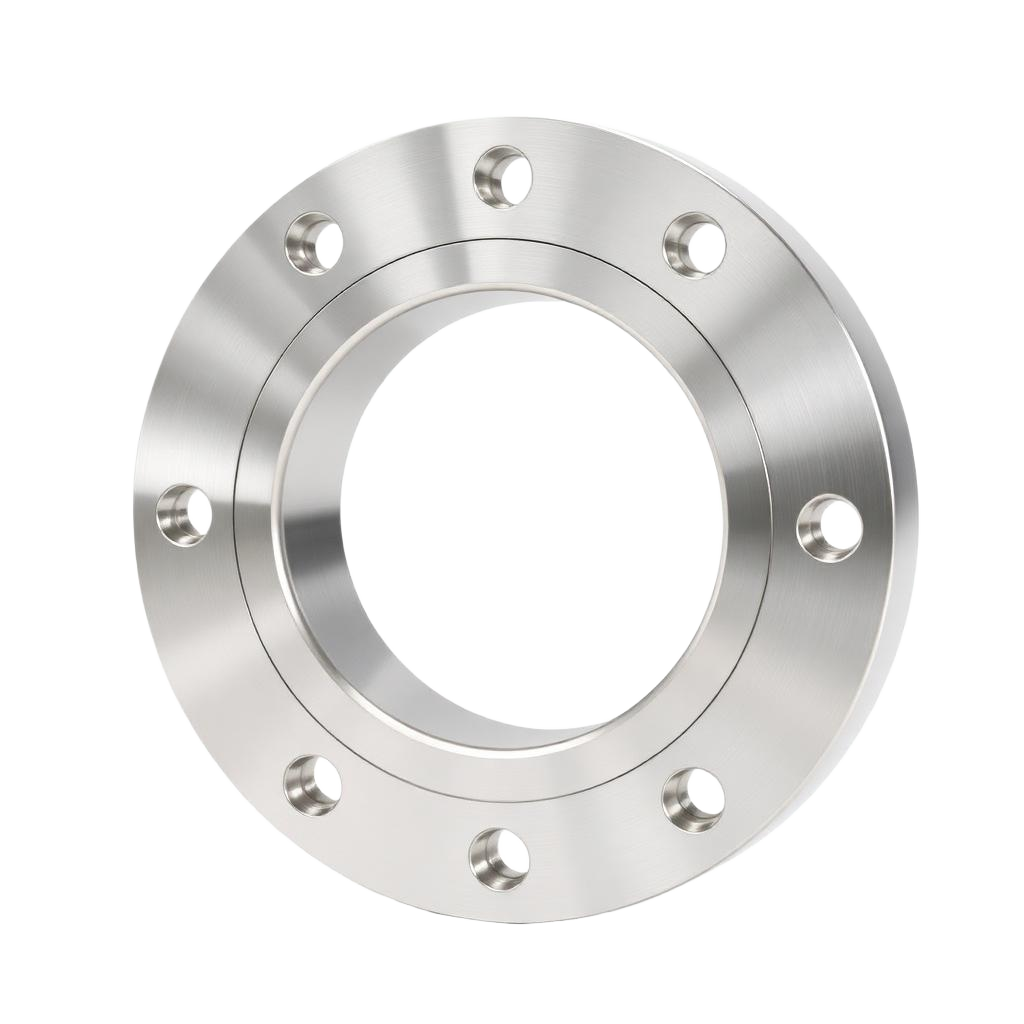
- Typical Tolerance
- ±0.001"
- Common Grades
- 304 / 304L · 316 / 316L · 17-4 PH
- Production
- Prototype → Production
- Machine Type
- Haas VF-4SS 3-axis vertical machining center
Why Stainless Steel Is Suited to CNC Milling
CNC Milling suits stainless steel when tool engagement can be kept consistent through the cut. Stainless work-hardens under dwell or shallow passes, so the process plan — feed, coolant, and grade-appropriate tooling — matters more than removal rate, especially on 316 and 17-4 PH.
Stainless brackets, housings, and hardware in repeat production
Documented setups tuned to grade-specific behavior
Coolant and feed strategies that manage stainless work hardening
DFM feedback on features that drive stainless cycle time
Machining Stainless Steel on CNC Milling
Stainless steel work-hardens quickly under interrupted or shallow cuts, so consistent engagement, positive rake tooling, and controlled feed rates matter more than raw removal rate. Grade selection drives the strategy — 303 and 304 behave very differently from 316 and 17-4 PH in the H900 condition.
Consistent engagement prevents work hardening at the cutting edge.
Heat generation is managed with flood coolant and controlled feed rates.
Burr formation on stainless requires a deliberate deburring and edge-break strategy.
17-4 PH in the H900 condition and 316 machine noticeably slower than 304.
Stainless Steel grades we machine
304 / 304L
General-purpose austenitic stainless with good corrosion resistance and broad availability.
Typical uses · Food processing hardware, indoor equipment, general fabrication.
316 / 316L
Molybdenum-alloyed austenitic stainless with improved chloride and marine resistance.
Typical uses · Marine, medical, and chemical-contact components.
17-4 PH
Precipitation-hardening stainless combining strength and corrosion resistance.
Typical uses · Aerospace hardware, valve components, load-bearing fittings.
303
Free-machining austenitic stainless with sulfur additions for improved chip control.
Typical uses · Turned fittings, shafts, and screw-machine components.
Typical Stainless Steel Components
Structural Components
- Brackets
- Mounts
- Plates
- Chassis panels
Fluid and Motion Bodies
- Hydraulic manifolds
- Pneumatic bodies
- Housings
- Valve bodies
Enclosures and Frames
- Enclosures
- Frames
- Fixture bases
- Machined subassemblies
Engineering Considerations for Stainless Steel CNC Milling
Part Geometry
- Thread depth and pitch considered against grade toughness
- Wall thickness balanced against work-hardening risk
- Deburring access on internal features
Material Behavior
- Work hardening on interrupted or shallow cuts
- Burr formation heavier than aluminum or brass
- Grade-specific differences between 303, 304, 316, and 17-4 PH
Design and Tolerancing
- Tolerance allocation informed by grade and feature type
- GD&T controls on sealing and mating surfaces
- Passivation callouts and ASTM specification
Production Planning
- Certified material lots on ordered stock
- Passivation and electropolish coordination
- Inspection frequency across production runs
Process Advantages for Stainless Steel CNC Milling
Repeatable 3- and 4-axis production of Stainless Steel components
Documented setups and programs preserved across releases
4-axis indexing reduces refixturing on multi-sided parts
DFM feedback tied to Stainless Steel cost and cycle-time drivers
In-process inspection on production runs
Achievable tolerances and surface finishes
- Dimensional
- Typical ±0.001"–±0.005", with ±0.0005" achievable on qualified features
- Flatness
- Flatness within a few thousandths across most milled surfaces
- Surface finish
- 63–125 Ra typical off the tool
Realistic ranges depend on geometry, material, and feature type. Sub-thousandth tolerances are reviewed against setup and inspection strategy.
Inspection and documentation
CMM dimensional verification on critical features
Material certifications available on 303, 304, 316, and 17-4 PH
Surface finish measurement on mating and sealing surfaces
Passivation coordination and documentation on request
First Article Inspection available on qualified programs
Related Manufacturing Resources
Stainless Steel overview
Grades, considerations, and applications for stainless steel.
CNC Milling overview
Machines, envelopes, and tolerances for cnc milling.
Stainless Steel 5-Axis Milling
Complex stainless components produced in a single setup.
Stainless Steel CNC Turning
Rotational stainless components with concentricity control.
Stainless Steel Swiss Turning
Small-diameter stainless components with tight concentricity.
Stainless Steel Surface Grinding
Close-tolerance flatness and parallelism on stainless plates and details.
Aluminum CNC Milling
Efficient production of aluminum brackets, plates, and housings.
Titanium CNC Milling
3- and 4-axis production of titanium brackets, housings, and fittings.
Inconel CNC Milling
Prismatic Inconel components produced with documented setups.
Stainless Steel CNC Milling — FAQs
The questions engineering and procurement teams ask most often before a first quote.
What stainless steel grades can Northline machine with CNC Milling?
We routinely machine 304 / 304L, 316 / 316L, 17-4 PH, 303 on CNC Milling for prototype and production programs. Additional grades can be sourced for qualified programs — discuss requirements at RFQ.
What tolerances are typical for Stainless Steel CNC Milling?
Typical ±0.001"–±0.005", with ±0.0005" achievable on qualified features. Realistic ranges depend on geometry, material, and feature type. Sub-thousandth tolerances are reviewed against setup and inspection strategy.
Is Stainless Steel suitable for CNC Milling?
Yes, with grade-appropriate tooling and feed strategy. Stainless work-hardens under shallow or interrupted cuts, so the CNC Milling process plan is tuned to the specific grade — 303, 304, 316, or 17-4 PH.
Can you provide material certifications for stainless steel?
Yes. Material certifications with traceability to certified mill stock are available for Stainless Steel on request. Confirm documentation requirements at RFQ.
Do you support both prototype and repeat production runs?
Yes. Prototypes are programmed, fixtured, and inspected the same way production parts are, which keeps the path to a qualified stainless steel production program short and predictable.
Ready to discuss your stainless steel machining project?
Upload your CAD files or drawings and our engineering team will review the project requirements.