Machined components that hold their fit across automation builds.
Structural housings, drive components, and end-of-arm tooling where bore-to-bore and feature-to-feature relationships decide assembly fit — with DFM feedback on every quote and setups that carry from prototype into qualified production.
ISO 9001:2015 | AS9100D | ITAR Registered
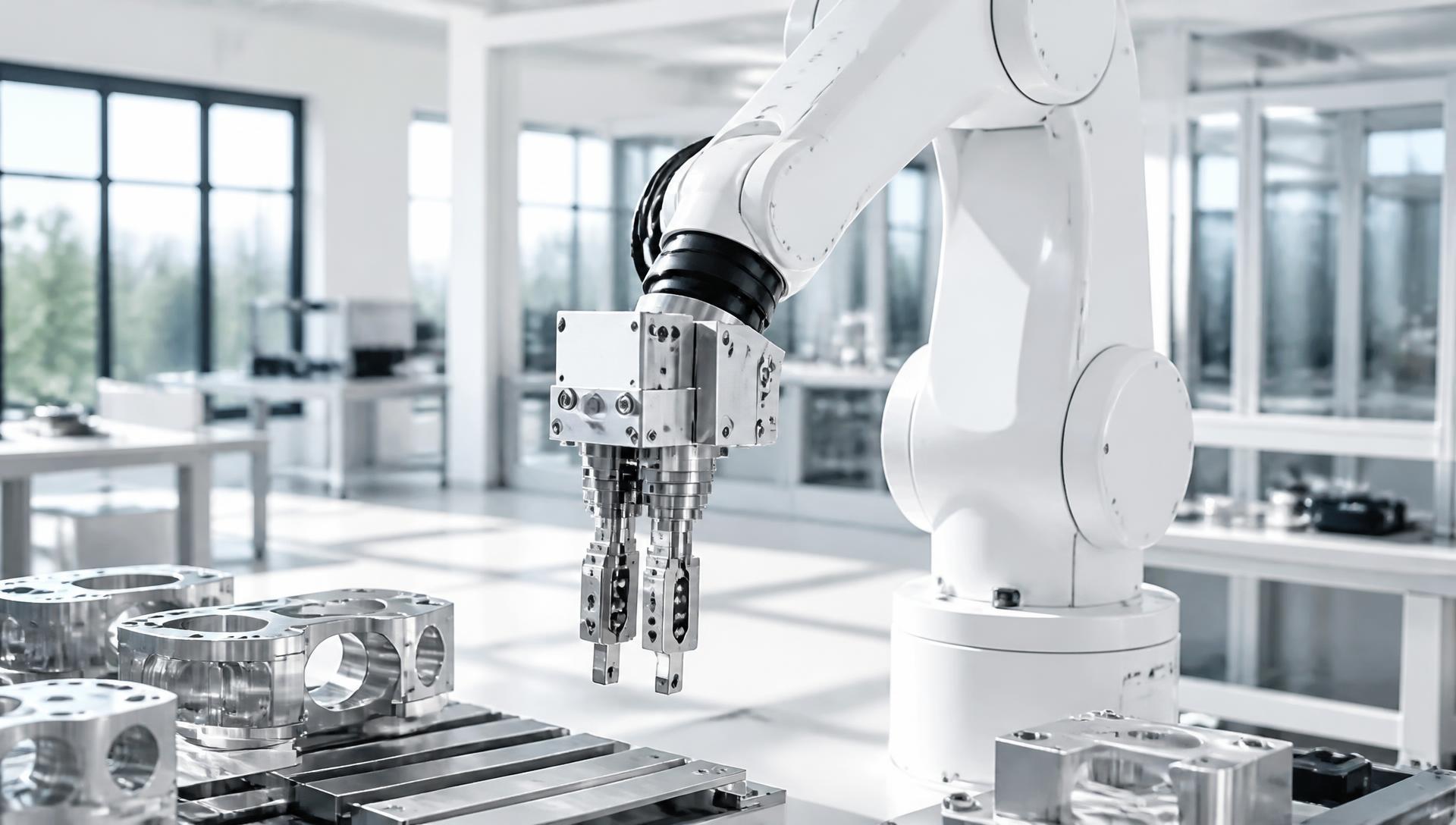
How we support robotics & automation programs.
Automation OEMs care about feature-to-feature relationships, stiffness-to-weight material choices, and setups that repeat once a design is qualified — with DFM feedback that removes cost from the assembly, not just the part.
Prototype and development components
First-build structural and mechanism parts with DFM feedback returned before machining.
Qualification and pilot builds
Small lots produced on the setups intended for production, so results carry forward once a design is qualified.
Repeat production programs
Scheduled releases of housings, brackets, and drive components against controlled setups.
Assembly and secondary operations
Light mechanical assembly of machined components plus hardware, supplied as kits or subassemblies.
Program requirements
Automation OEMs typically specify these requirements on machined hardware:
- Feature-to-feature control — bore, face, and dowel relationships held so stacked error doesn't show up as backlash.
- Repeatable production — qualified setups and retained programs so releases repeat the qualified result.
- Material selection for stiffness and weight — grades chosen for deflection and inertia on moving structure.
- DFM feedback — manufacturability and cost review on the assembly, not just the individual part.
- Documented inspection — dimensional verification on the features that drive fit at the tool point.
Components we machine for robotics & automation programs.
Representative part types, based on the processes and materials we run in-house. Illustrative of our capability set rather than a record of specific customer programs.
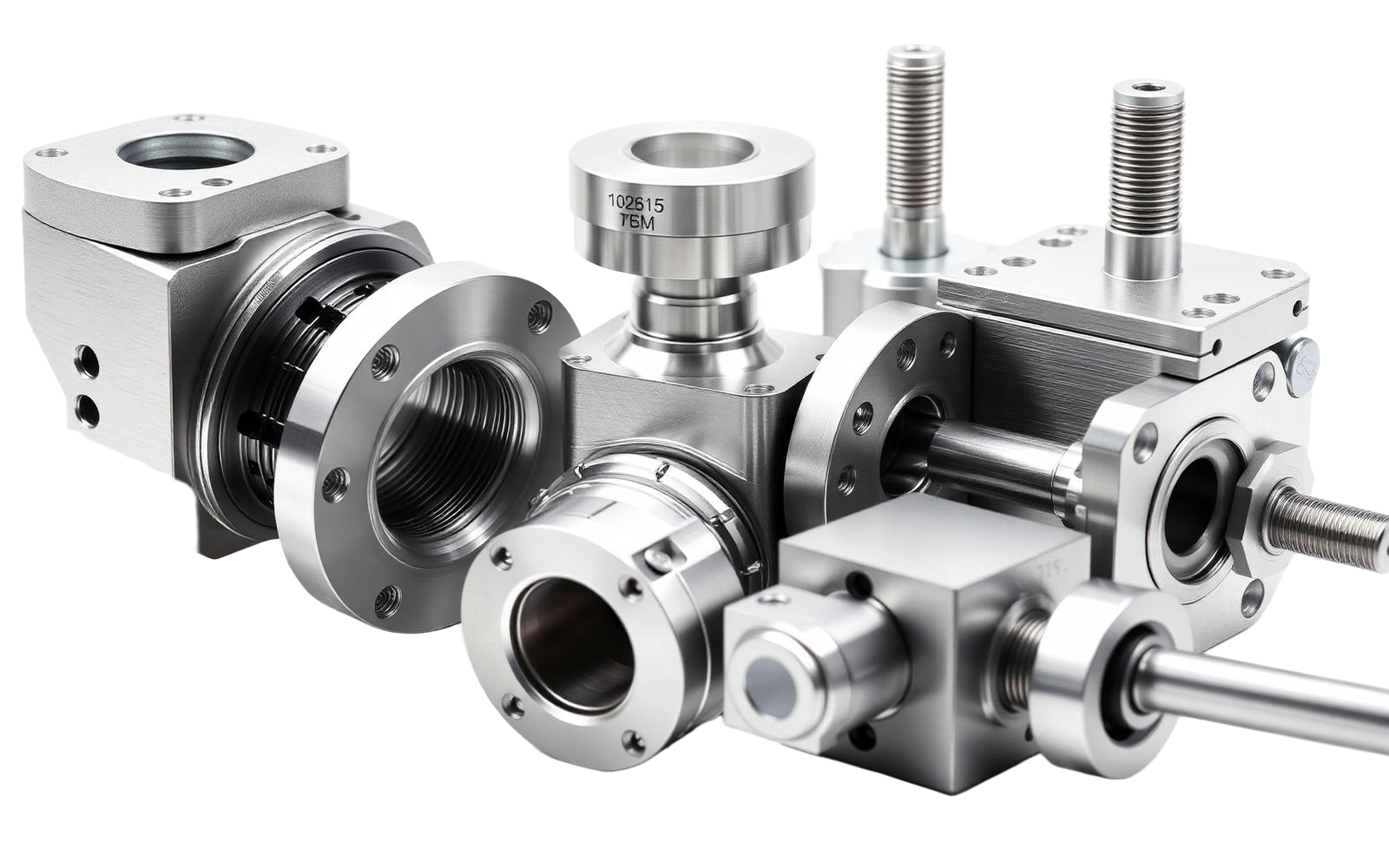
End-of-arm tooling
Structural housings and brackets
Drive components and gearbox parts
Sensor and vision system mounts
Capabilities for robotics & automation programs.
The processes most often applied to robotics & automation work, each with its own capability detail page.
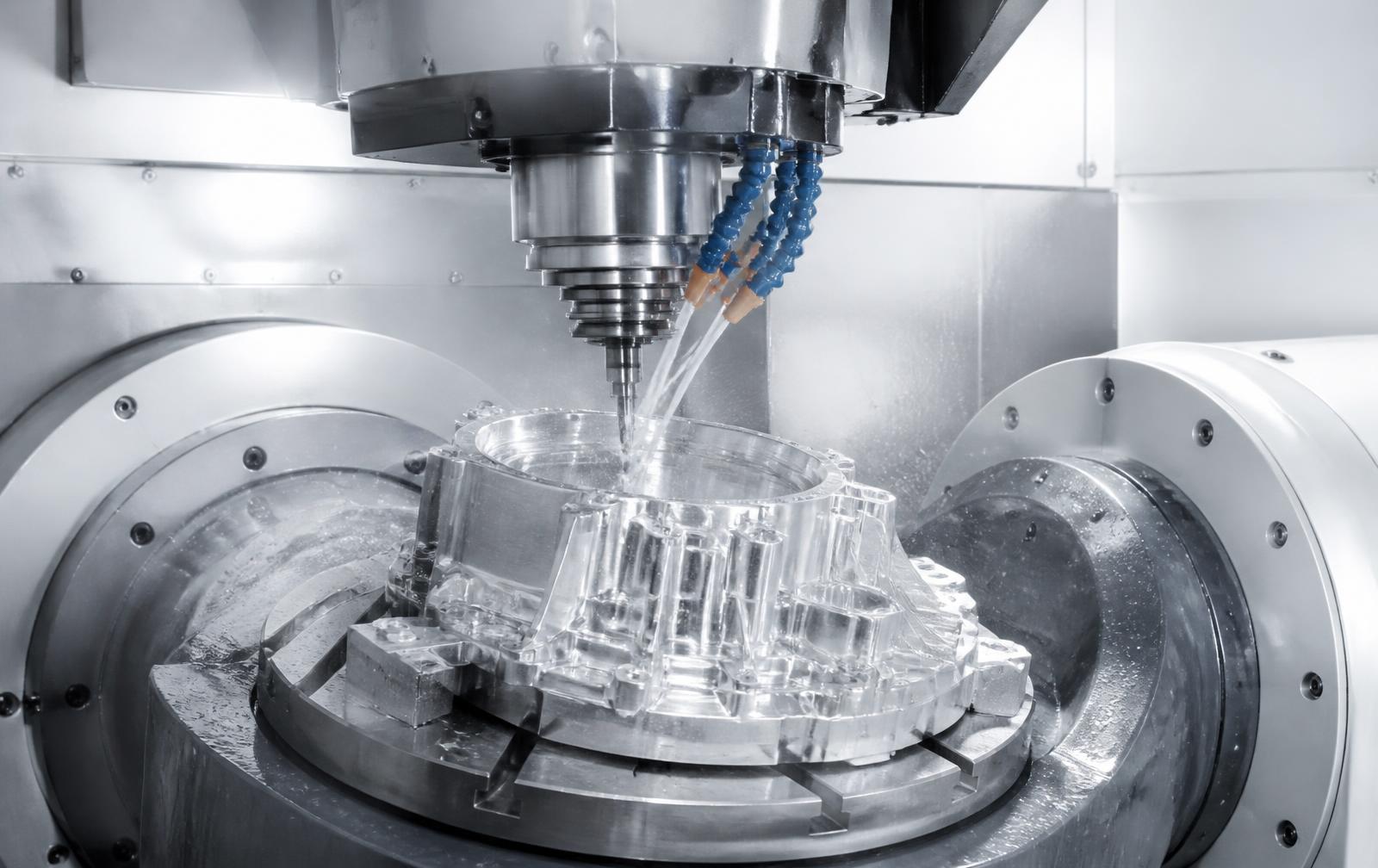
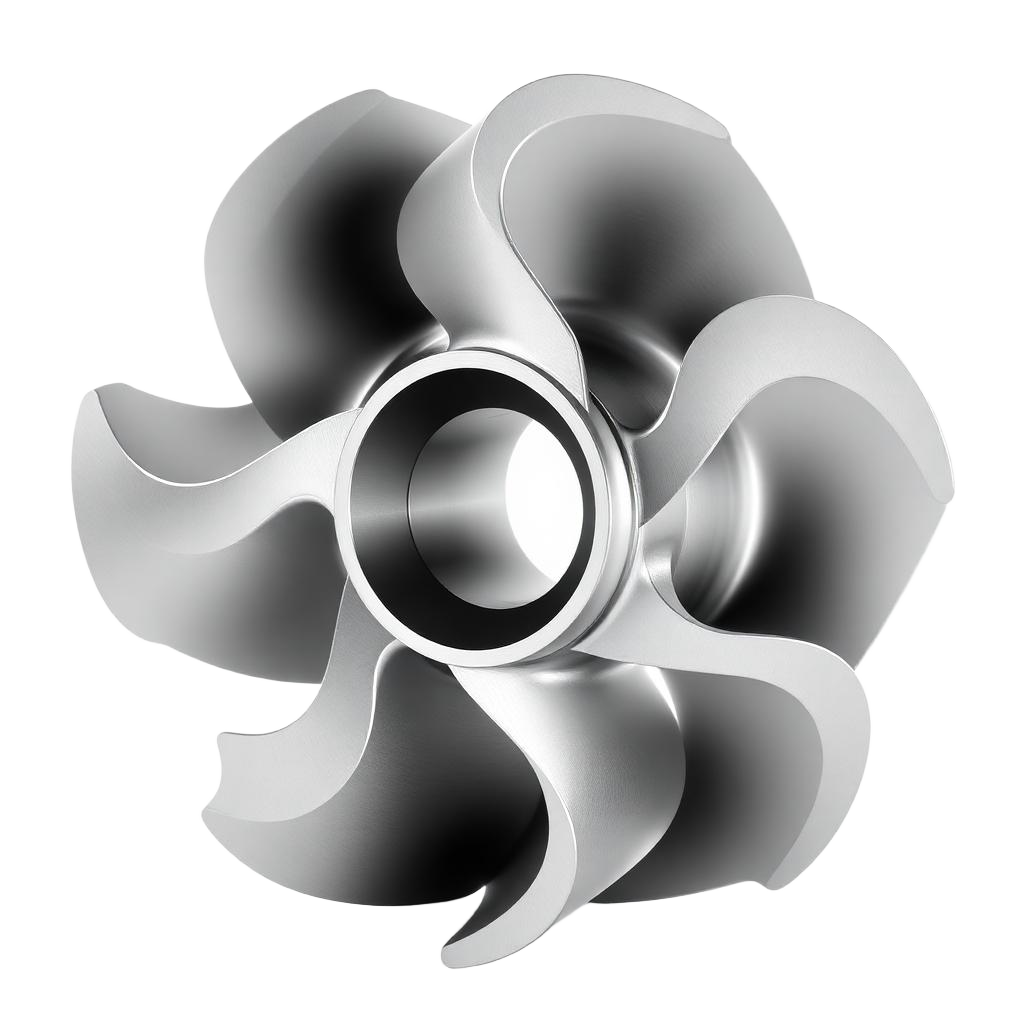
5-Axis Milling
Multi-face housings and end-effector bodies consolidated into fewer setups, protecting the feature relationships that assembly depends on.
TYPICAL ±0.0005"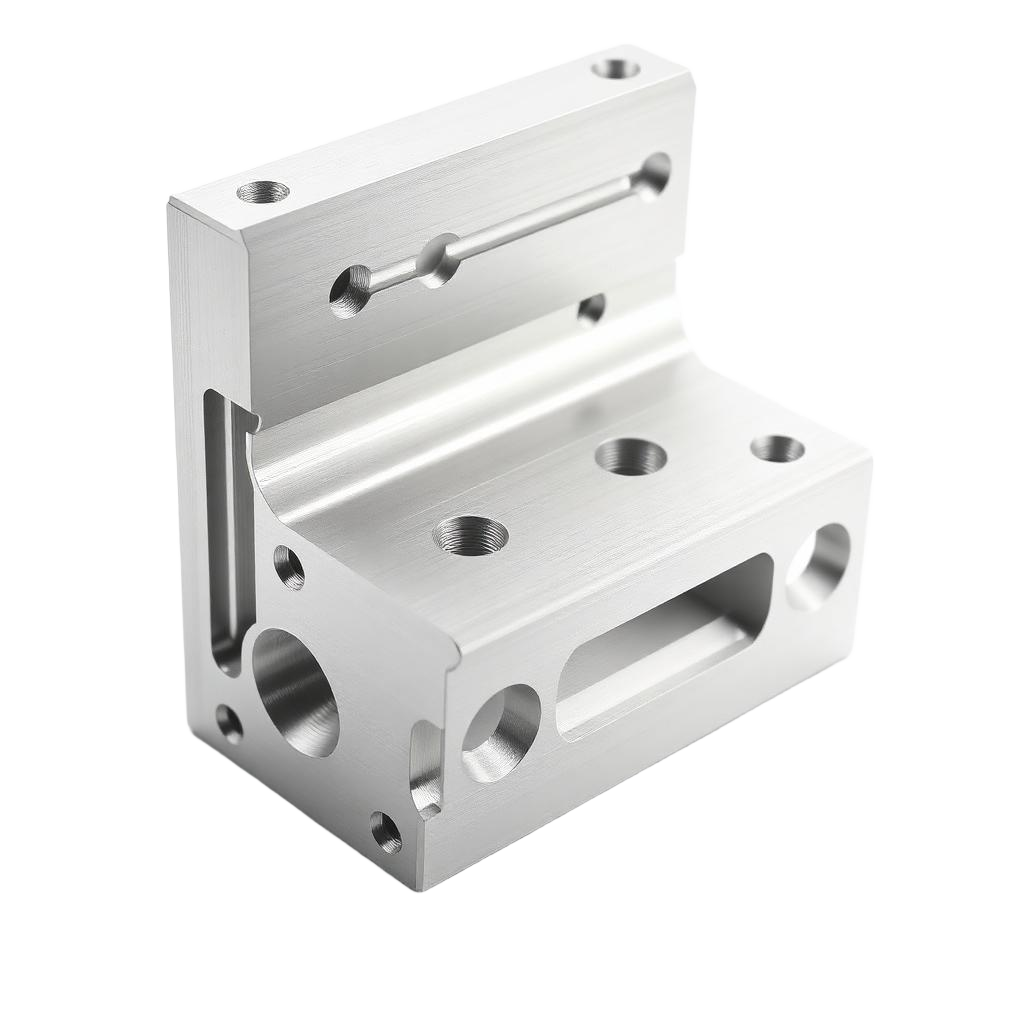
CNC Milling
Flexible 3- and 4-axis machining for housings, brackets, mounting plates, and precision structural components.
TYPICAL ±0.001"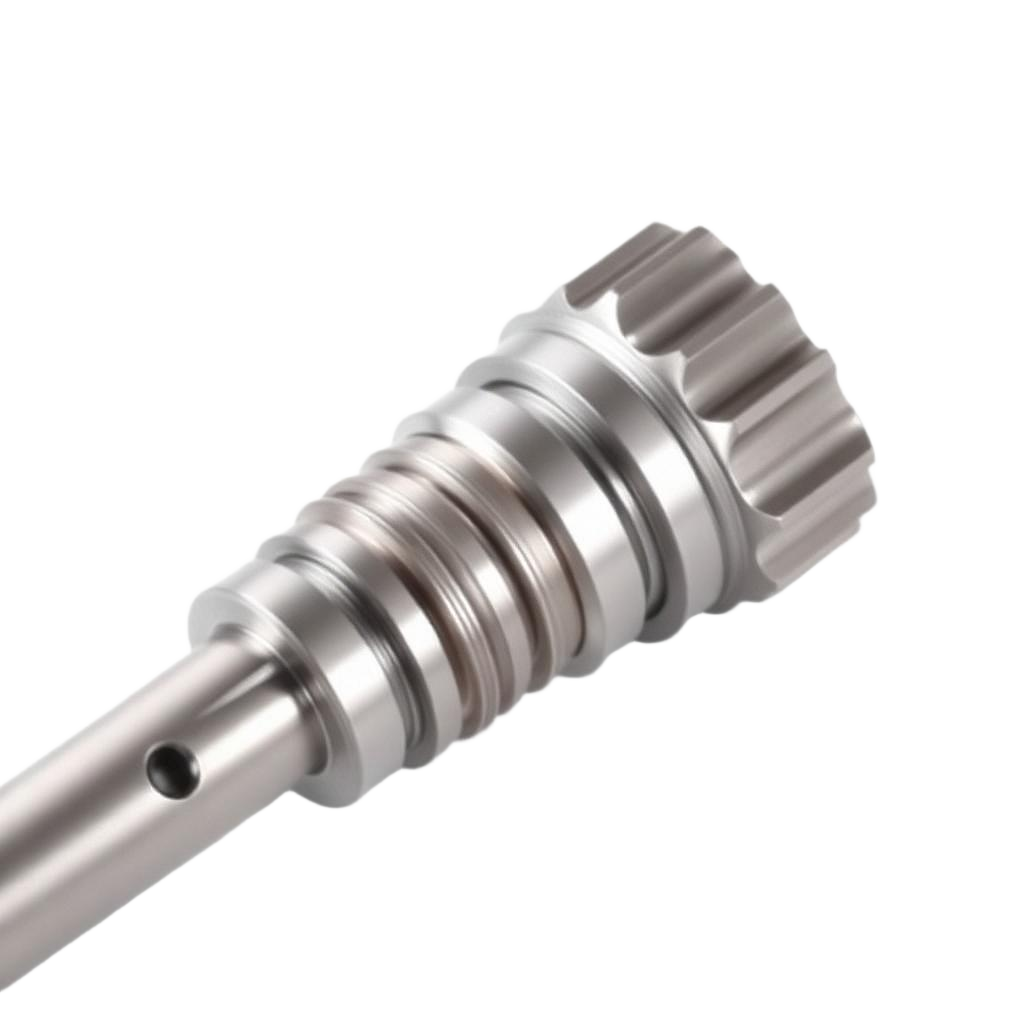
CNC Turning
Shafts, pulleys, and drive components requiring controlled diameters, concentricity, and surface finish at bearing fits.
TYPICAL ±0.0005"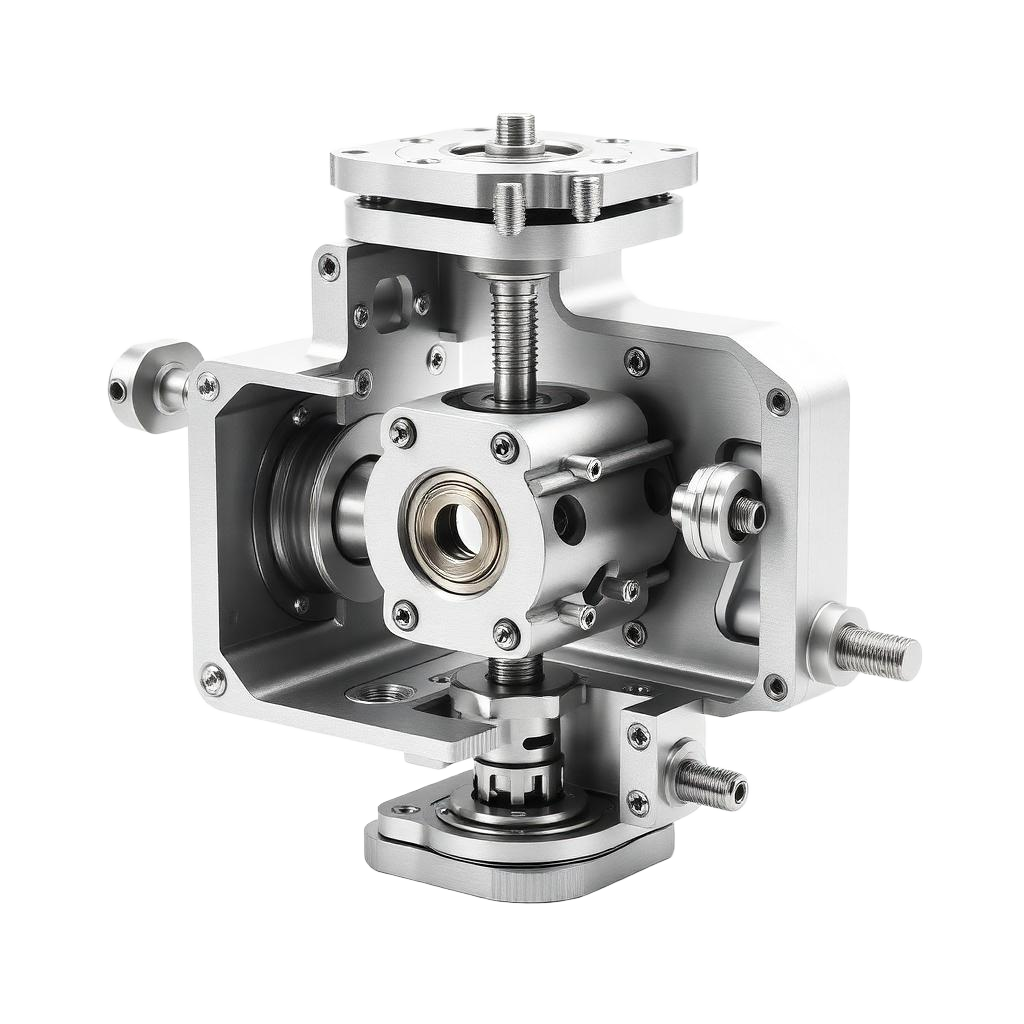
Assembly & Secondary Operations
Light mechanical assembly of machined components plus hardware, supplied as kits or subassemblies to shorten your build.
TYPICAL Per drawingMaterials for robotics & automation work, and why they're specified.
Stocked or sourced from certified mill stock, with material certifications and heat / lot traceability available on request. Each material links to grades, machining notes, and typical applications.
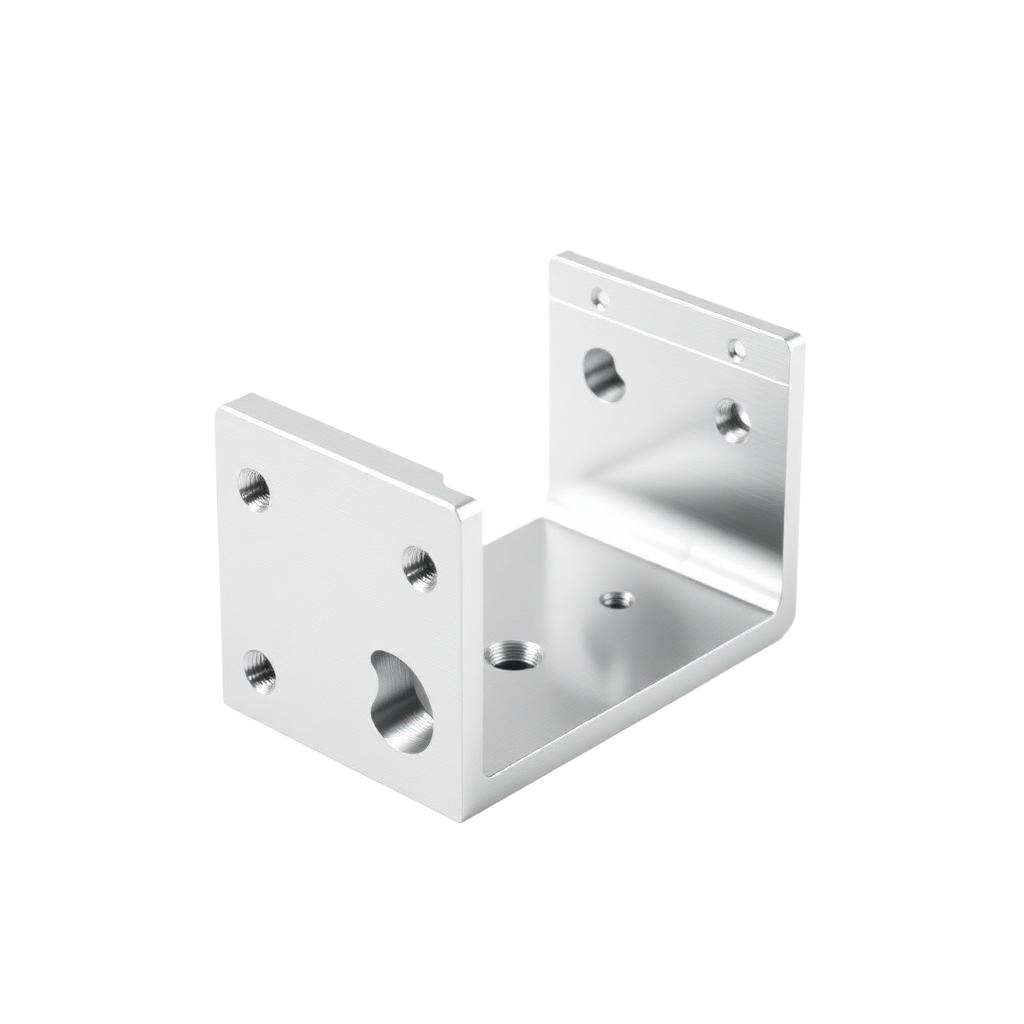
Aluminum 6061 / 7075
6061 and 7075 provide the stiffness-to-weight balance that moving arms and end-of-arm tooling need, with 7075 where deflection under load is the limiting factor.
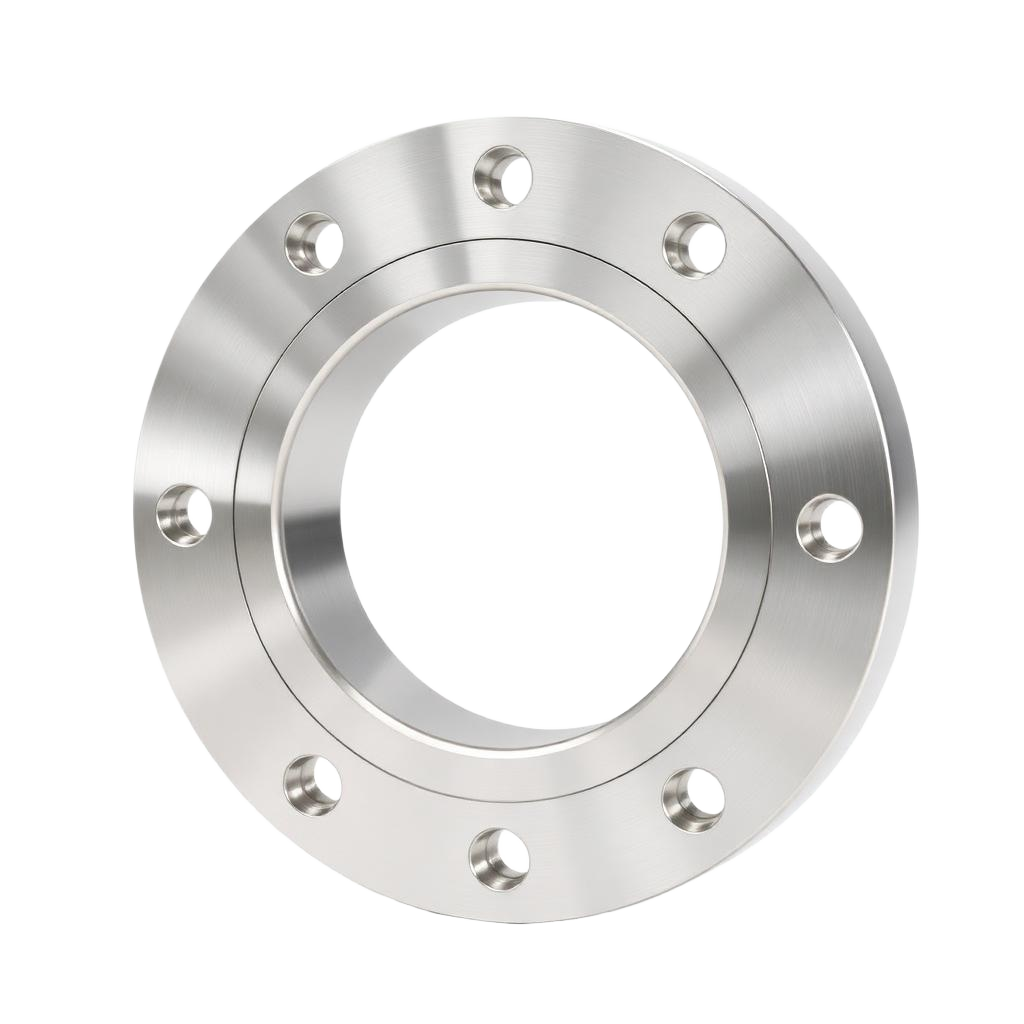
Stainless Steel
304, 316, and 17-4 PH are used where corrosion resistance or hardened strength is required on shafts, pins, and load-carrying hardware.
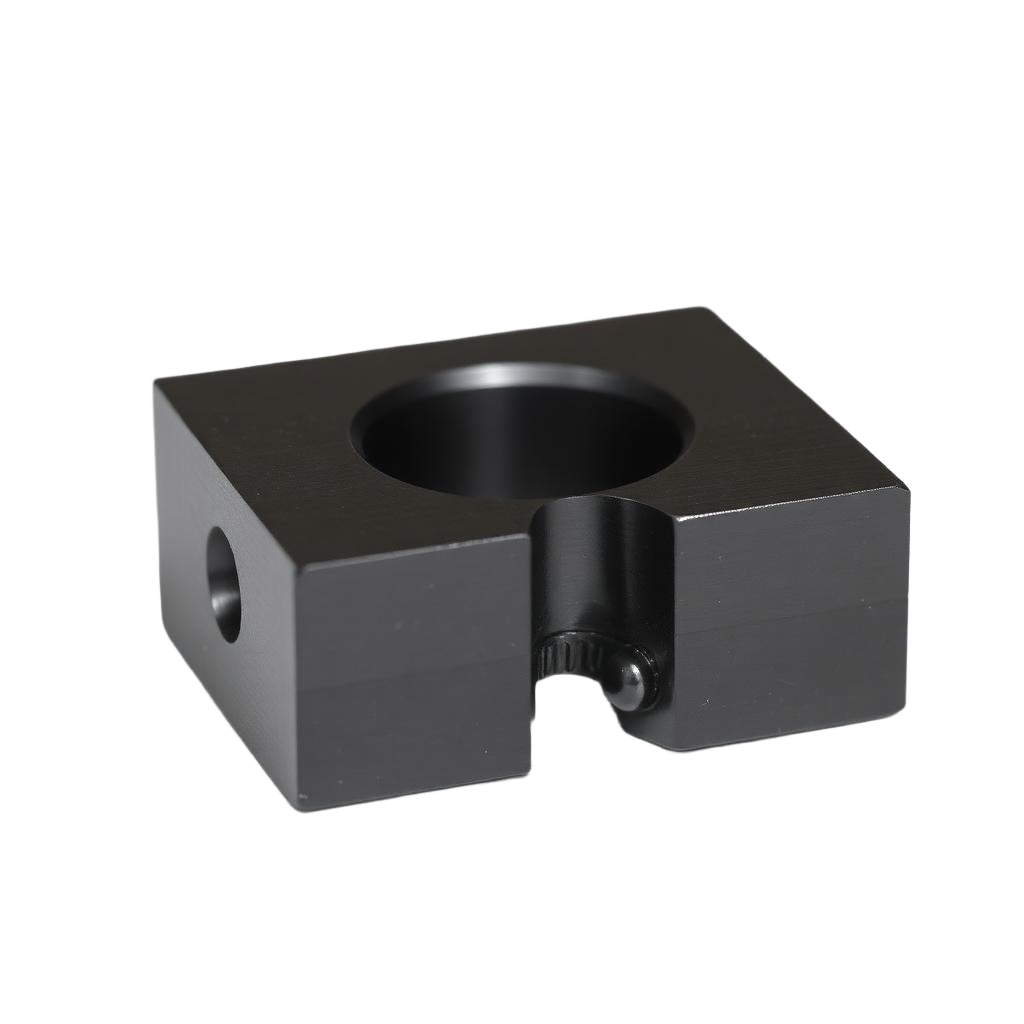
Tool Steel
A2 and D2 give the wear resistance and dimensional stability required on gripper jaws, cams, and high-cycle contact components.
Quality measures on robotics & automation work.
Inspection and documentation are part of the job, not an add-on. What travels with a shipment depends on what the program flows down.
- Dimensional inspection
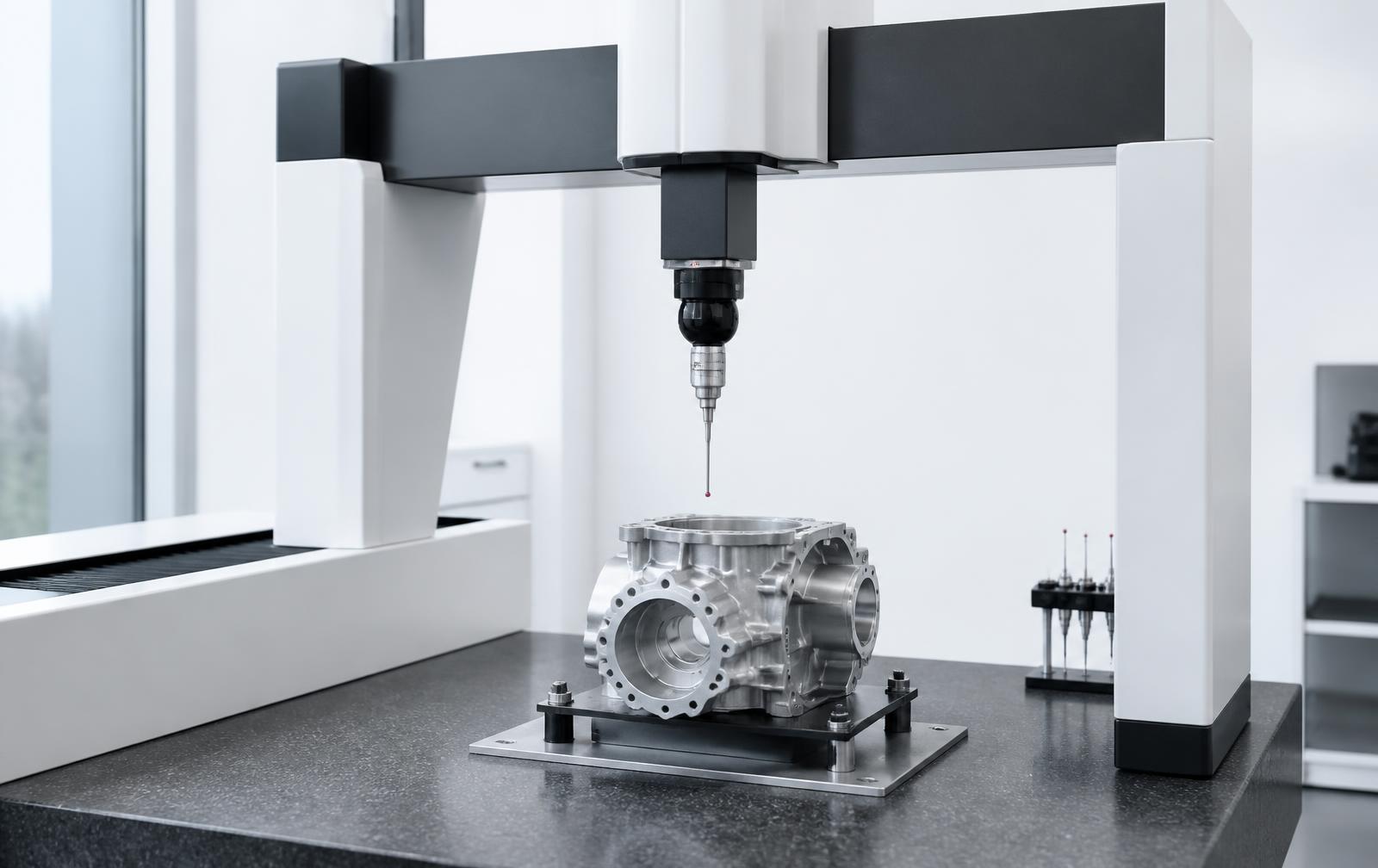
- CMM inspection on bore-to-bore and feature-to-feature relationships that drive assembly fit.
- First Article Inspection
- FAI documentation at design qualification when specified.
- Material certifications
- Certified mill stock with heat and lot traceability on request.
- Certificate of Conformance
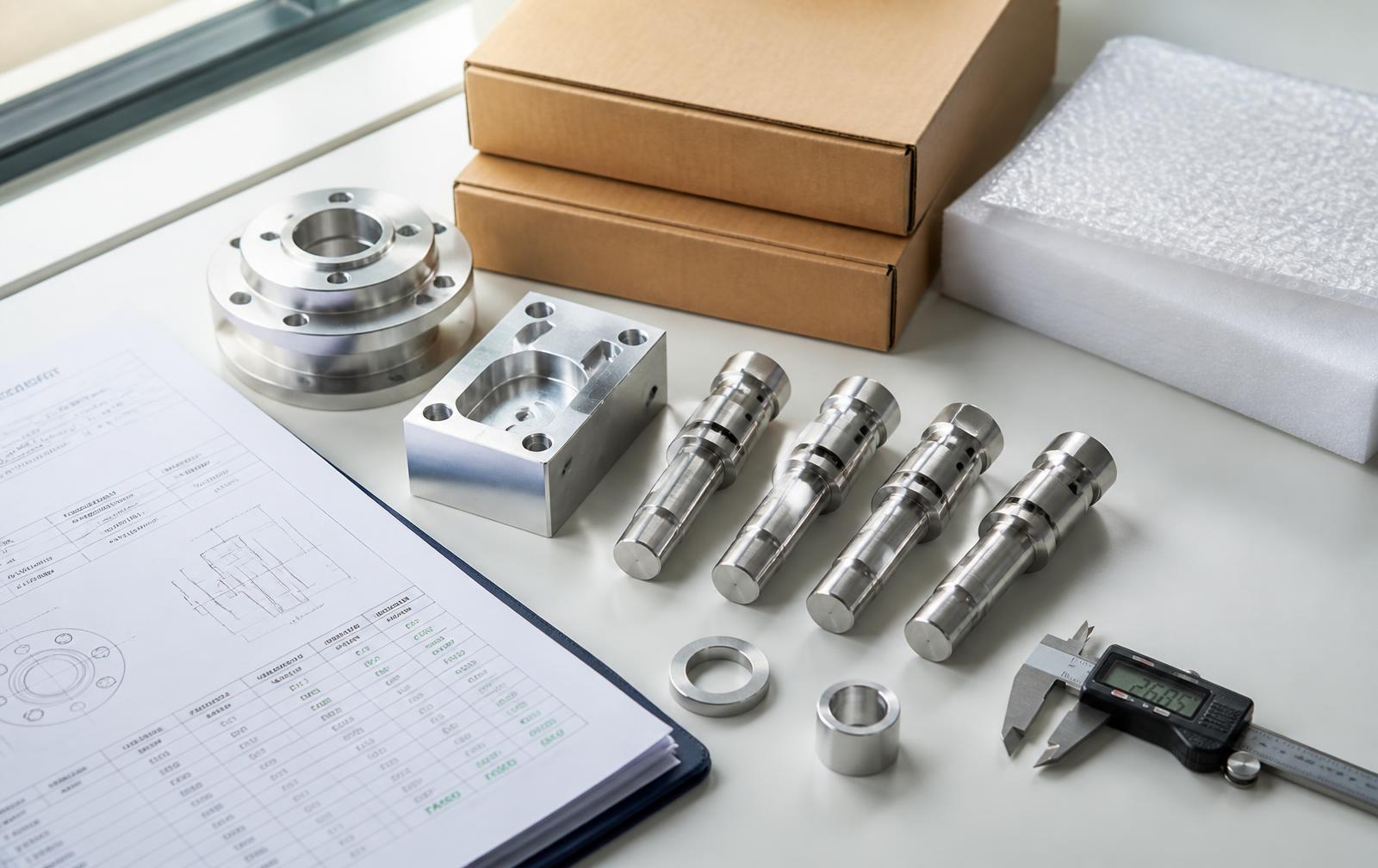
- Issued with every shipment.
- Inspection reports
- In-process and final dimensional reports supplied on request.
- Calibration controls
- Metrology maintained on a documented calibration schedule.
- Controlled setups
- Qualified setups and programs retained so production releases repeat the qualified result.
- ISO 9001:2015 + AS9100D
- Quality management system maintained to both standards.
Metrology on site: Zeiss Contura CMM, FARO measurement arm, Mitutoyo Surftest surface profilometer, and optical comparator and vision measurement.
Quality & Inspection
How inspection, documentation, and process control are run on every job.
First Article Inspection
AS9102-format First Article Inspection documentation when the program requires it.
Inspection Equipment
Zeiss Contura CMM, FARO measurement arm, and surface metrology.
Tolerance Standards
Tolerance capability by process, and how we review drawings at quoting.
From RFQ to repeat production.
What happens after an RFQ is submitted, from print review through repeat production.
- 01
RFQ review
Engineering reviews the print, CAD files, material callouts, tolerances, quantity, and documentation requirements. Quote turnaround is typically one business day.
- 02
Engineering / DFM review
Manufacturability concerns and cost-reduction opportunities are identified before the job is released — tolerance stack-ups, fixturing, tool access, and finish callouts.
- 03
Production
Parts are machined in-house on the appropriate process: 3/4/5-axis milling, CNC and Swiss turning, wire EDM, or surface grinding, with secondary operations coordinated as needed.
- 04
Inspection & documentation
In-process and final inspection are performed to the drawing, with First Article Inspection, material certifications, and a Certificate of Conformance as the program requires.
- 05
Delivery & repeat production
Parts ship with the agreed documentation package. Qualified setups and inspection plans carry forward, so repeat releases run against a proven process.
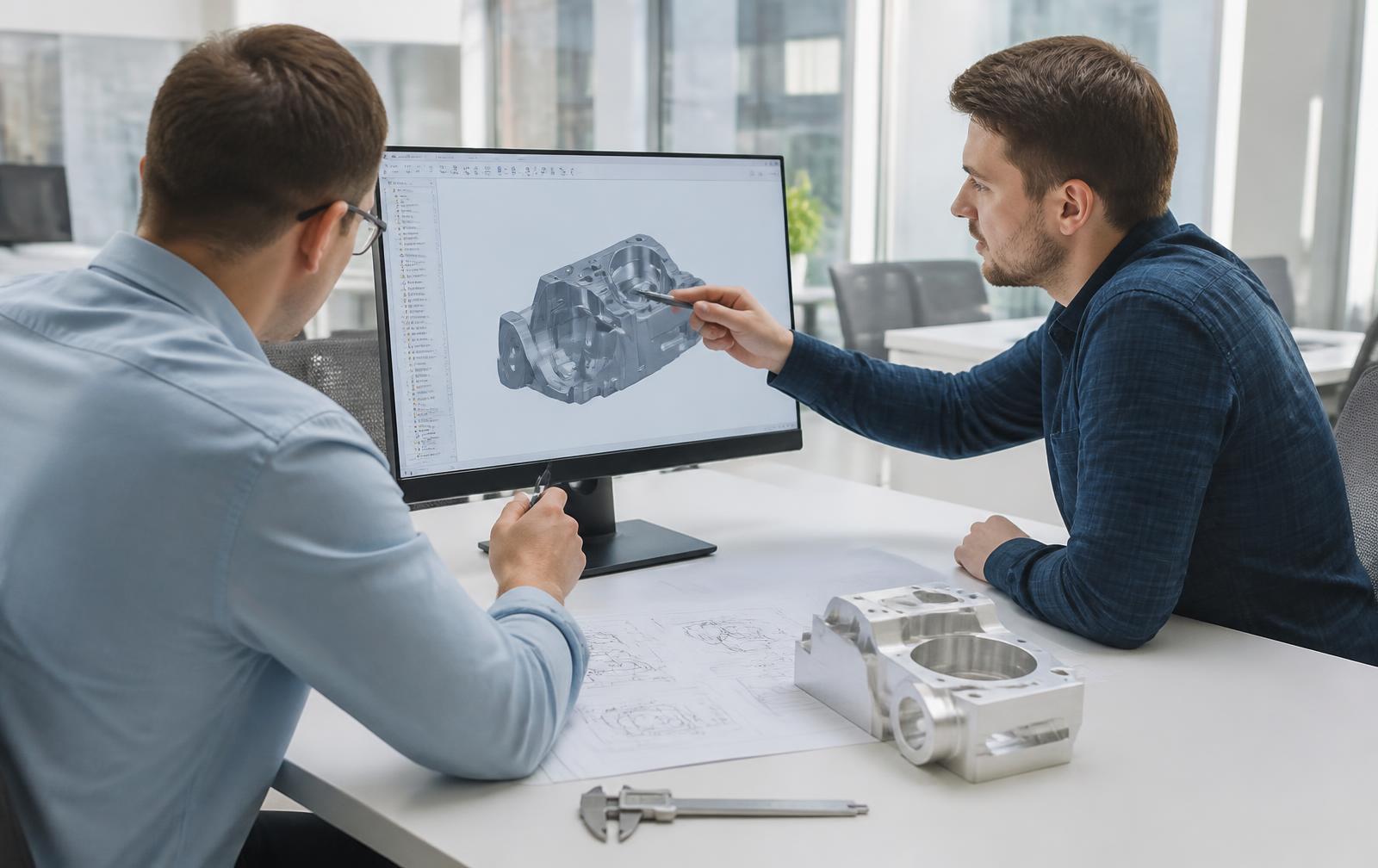
Precision machining for robotics and automation
Automation components are judged in assembly, not in isolation. Bearing bores, mounting faces, and dowel locations have to hold relationship to each other, because stacked error across a housing, a gearbox plate, and an end-effector mount shows up as backlash, binding, or lost repeatability at the tool point. That makes datum strategy and setup planning at least as important as the tightest single tolerance on the print.
Material selection is largely a stiffness-and-mass problem. Aluminum dominates moving structure for its stiffness-to-weight ratio; stainless appears where corrosion resistance or hardened strength is required; tool steel handles wear on gripper and cam surfaces that see millions of cycles. Consolidating multi-face geometry onto 5-axis setups reduces the number of times a part is re-fixtured, which is usually where feature relationships degrade.
Automation OEMs also tend to move through phases quickly — prototype, qualification, then release — and the value of a supplier is largely in whether those phases share a process. When the prototype is machined on the setup intended for production, qualification data means something, and the first production release does not restart the learning curve.
Design-for-manufacturability review pays for itself most on assemblies rather than single parts. Combining components, relaxing tolerances that do not affect function, and standardizing hardware and finishes typically removes more cost from an automation build than shaving cycle time on any one part.
Engineering resources for robotics & automation buyers.
Reference material relevant to robotics & automation part programs.
Additional engineering guides are in development.
Robotics & Automation — FAQs
The questions engineering and procurement teams ask most often before a first quote.
Can you handle both prototype and production?
Yes — that's a common pattern. Prototype setups carry forward into production when the design is qualified, so qualification data stays meaningful.
Do you offer light assembly of robotic subassemblies?
Yes. Light mechanical assembly is available for kits of machined components plus hardware.
Do you provide DFM feedback before machining?
Yes. Engineering review is part of every quote, covering fixturing, tool access, tolerance stack-up, and features that add cost without adding function.
What tolerances can you hold on housings and plates?
Typical milling capability is ±0.001", with ±0.0005" on 5-axis work. Feature-to-feature relationships are reviewed against the drawing datums at quoting.
Which materials do you recommend for moving structure?
Aluminum 6061 and 7075 are the usual choices for stiffness-to-weight; stainless is used where corrosion resistance or hardened strength is required, and tool steel where wear governs life.
Can you support repeat releases as volumes grow?
Yes. Scheduled releases run against controlled setups and retained programs, with inspection documentation consistent from lot to lot.
Do you supply material certifications?
Yes. Certified mill stock with heat and lot traceability is available on request, with a Certificate of Conformance on every shipment.
How quickly can you quote a multi-part assembly?
Quote turnaround is typically one business day once CAD, drawings, quantities, and finish requirements are available for the full part list.
Start your next robotics machining project.
Upload your CAD files or drawings and our engineering team will review the robotics & automation project requirements. Quote turnaround is typically one business day.