ITAR-registered machining for defense programs.
Domestic, single-facility manufacturing with controlled technical data handling, certified material traceability, and documented inspection on the characteristics your program flows down — from first article through years of repeat support.
ISO 9001:2015 | AS9100D | ITAR Registered
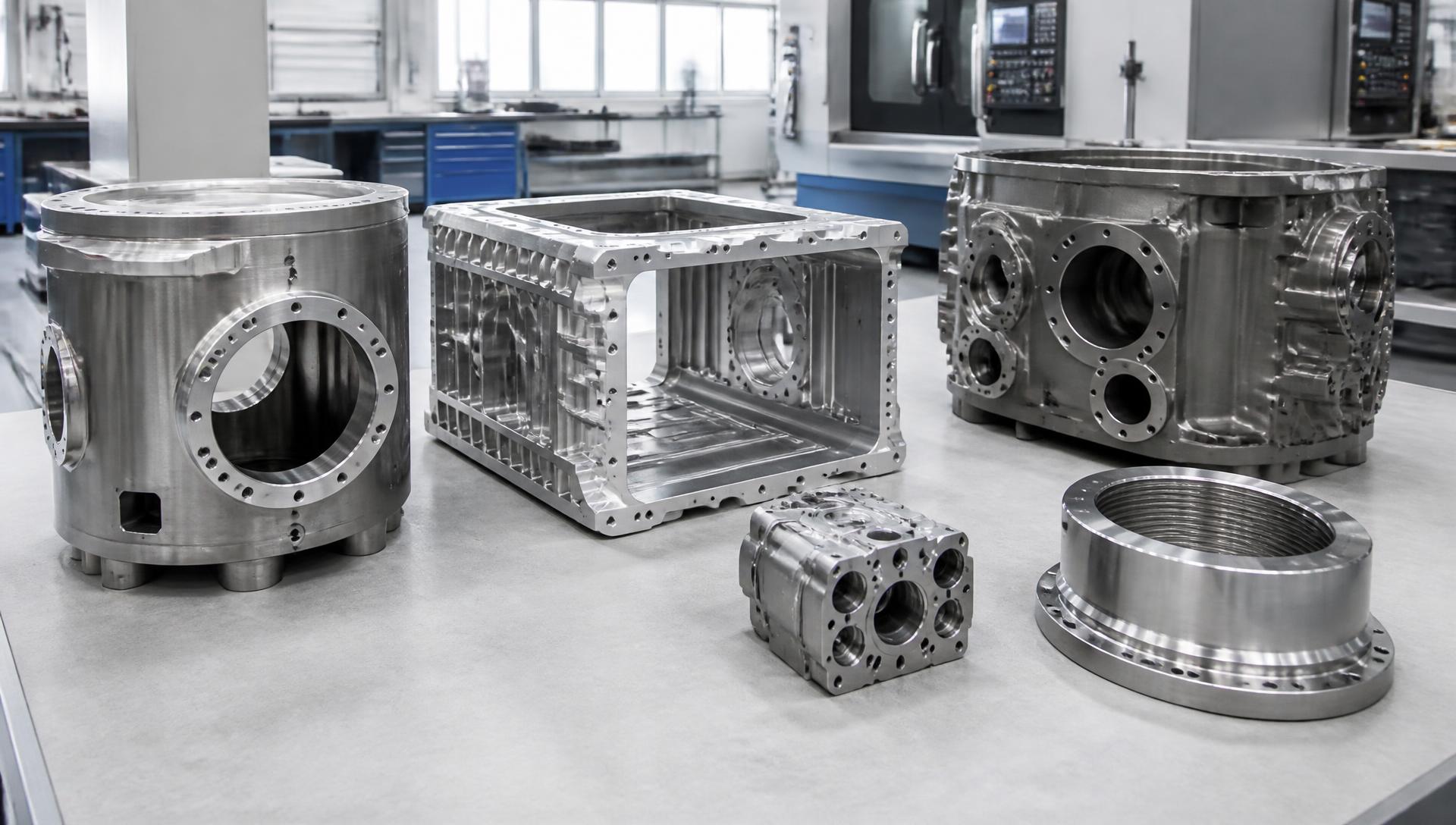
How we support defense programs.
Defense programs add controls on top of the print: ITAR-controlled technical data, domestic manufacturing, material traceability with a Certificate of Conformance, and documented inspection on the features the program flows down as critical.
Prototype and first article components
Early hardware machined from controlled data, with First Article Inspection documentation prepared when the program requires it.
Repeat production for ongoing programs
Scheduled releases against qualified setups, with consistent inspection and documentation from lot to lot.
Replacement and field-support components
Components remade to existing prints for fielded equipment and ground support hardware.
Engineering support on complex machined parts
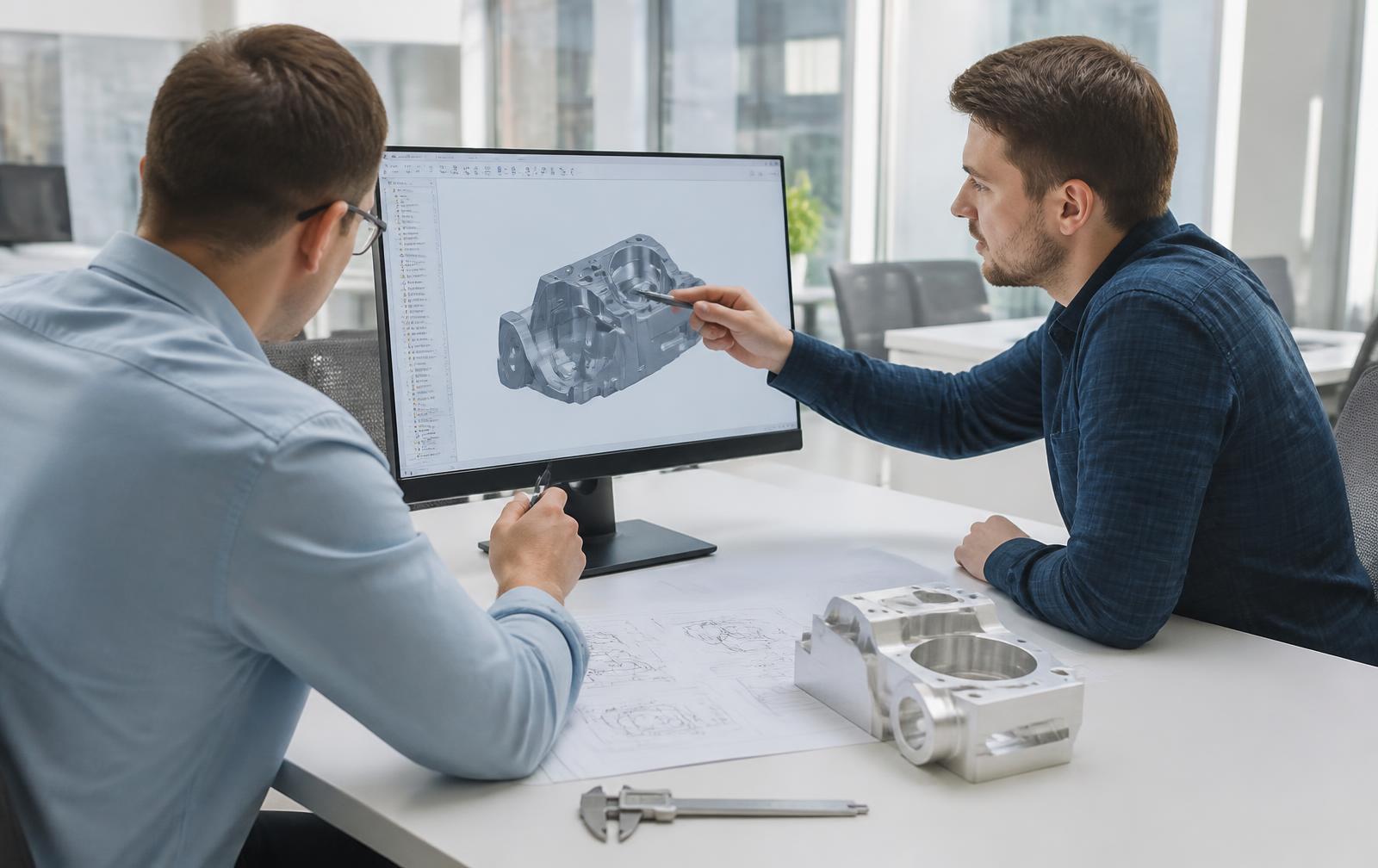
DFM review on multi-face and tight-tolerance geometry before release, including fixturing and process sequencing.
Program requirements
Defense programs typically require these controls before geometry is even discussed:
- ITAR-controlled data — controlled technical data received, stored, and handled per program requirements.
- Domestic manufacturing — all machining performed at our Elk Grove Village, IL facility.
- Material certifications — certified stock with heat and lot traceability documented on request.
- Documented inspection — critical characteristics verified and reported to the program flowdown.
- Repeat production consistency — retained setups and inspection plans so re-orders match fielded hardware.
- Quality flowdowns — customer-specific quality requirements accepted and documented per program.
Components we machine for defense programs.
Representative part types, based on the processes and materials we run in-house. Illustrative of our capability set rather than a record of specific customer programs.
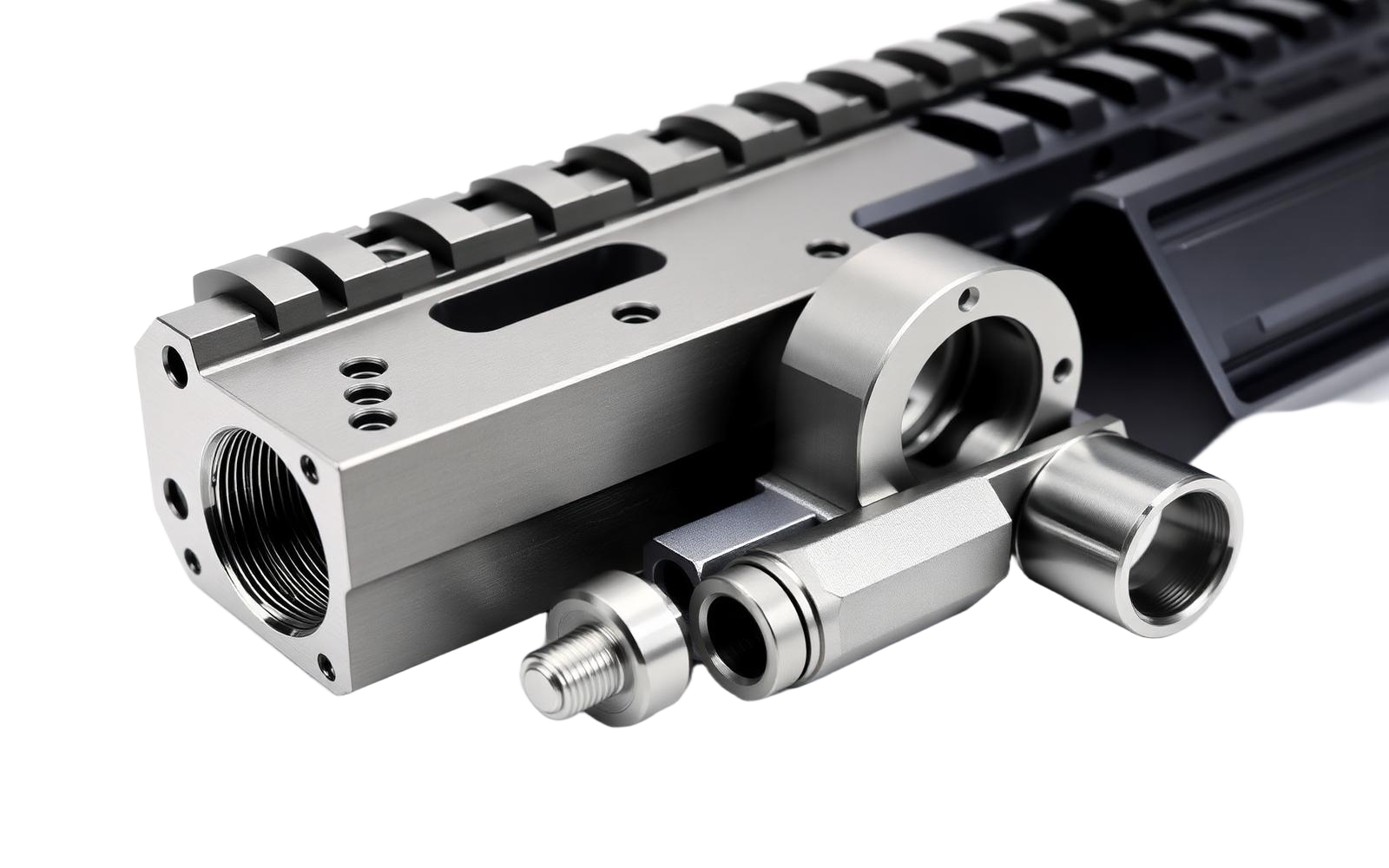
Tactical system components
Optics mounts and brackets
Mechanical assemblies for fielded equipment
Ground support equipment components
Capabilities for defense programs.
The processes most often applied to defense work, each with its own capability detail page.
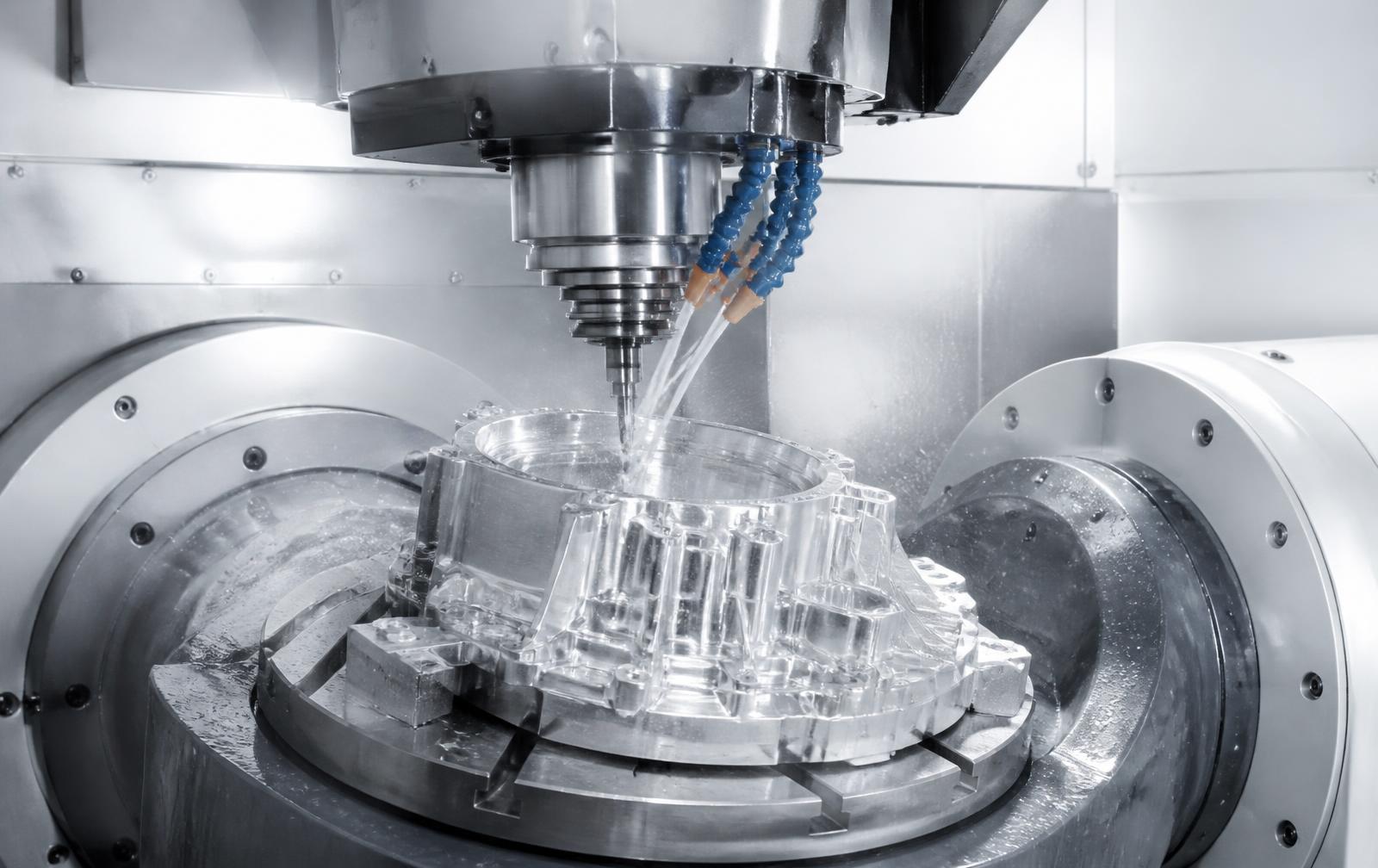
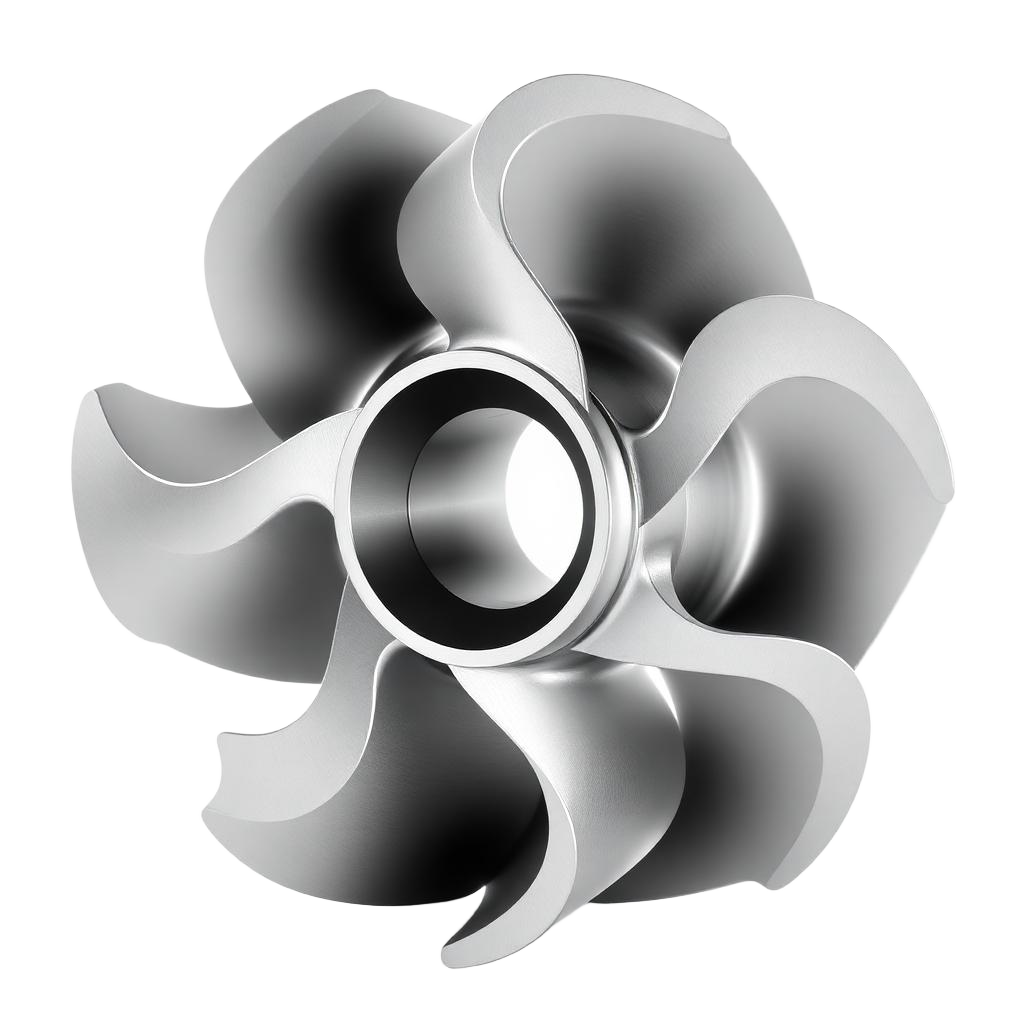
5-Axis Milling
Multi-face optics mounts and tactical hardware machined in fewer setups, protecting true-position relationships that re-fixturing would degrade.
TYPICAL ±0.0005"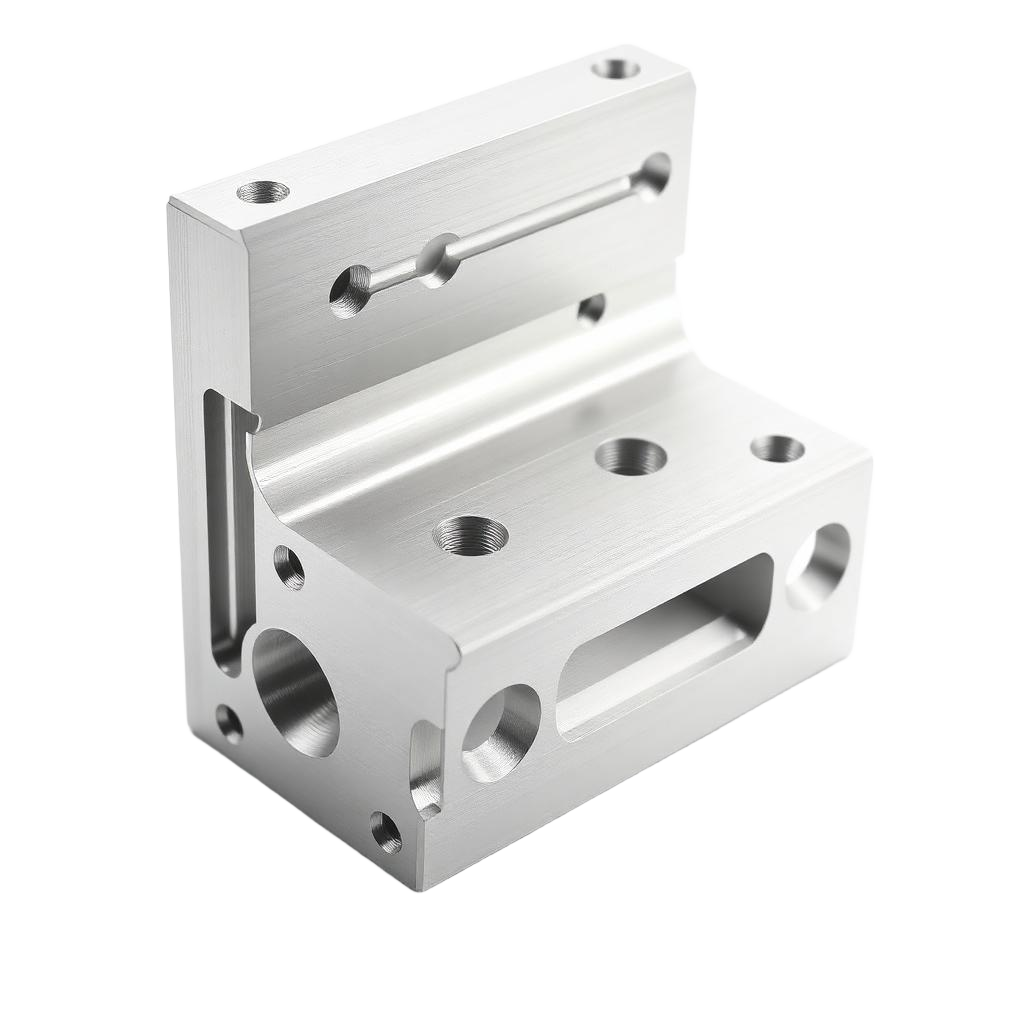
CNC Milling
Brackets, mounts, and enclosure bodies in recurring quantities, run from documented setups that repeat across releases.
TYPICAL ±0.001"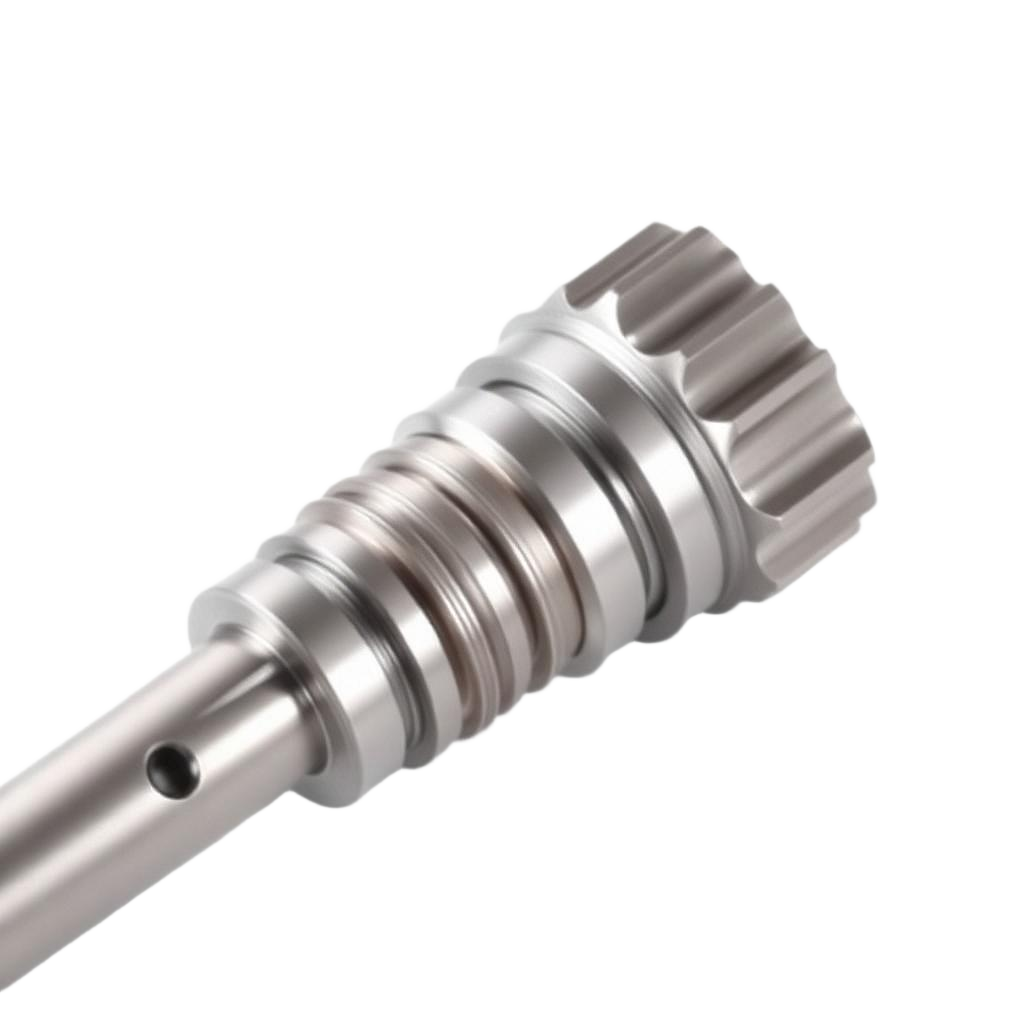
CNC Turning
Shafts, pins, and fittings with controlled diameters and concentricity for mechanical assemblies in fielded equipment.
TYPICAL ±0.0005"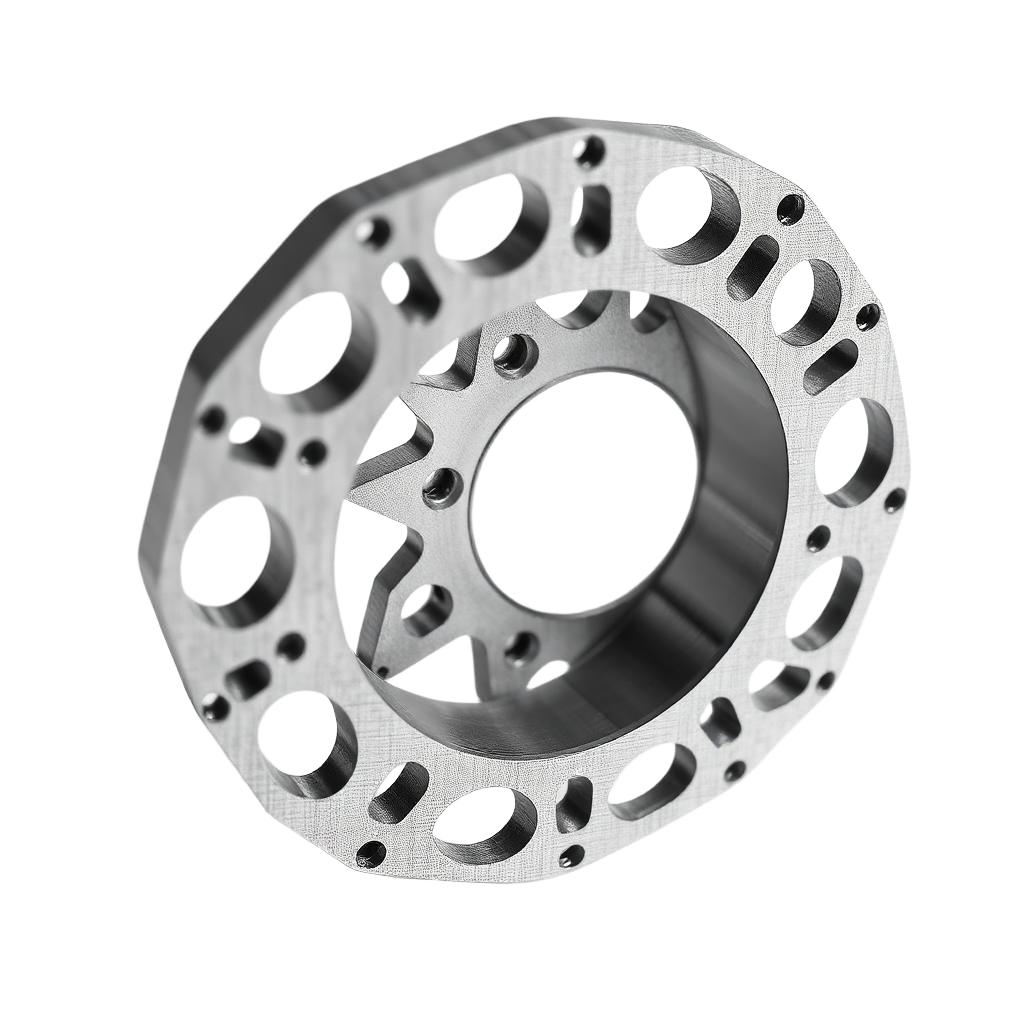
Wire EDM
Profiles, keyways, and sharp internal corners in hardened tool steels used in mechanism and tooling components.
TYPICAL ±0.0002"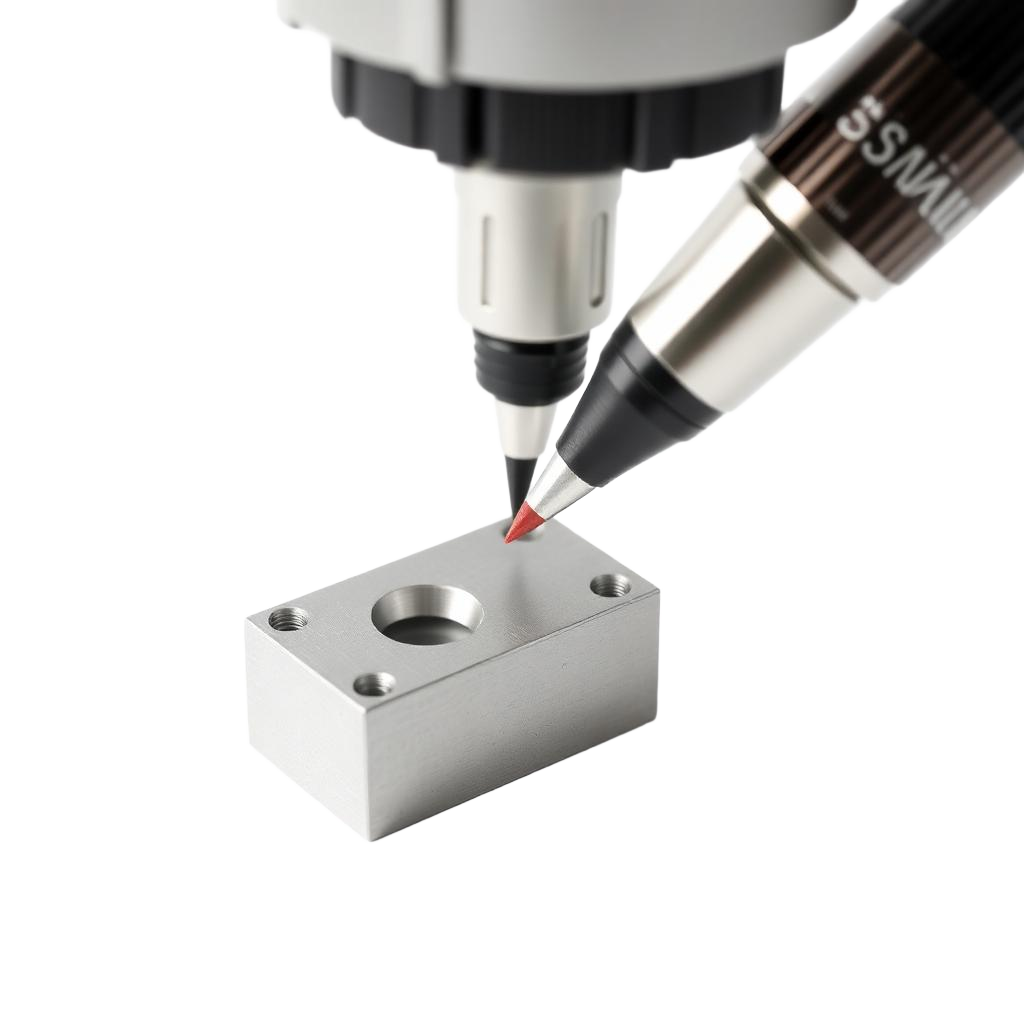
Inspection & Metrology
Dimensional verification and inspection records matched to the critical characteristics identified in the flowdown.
TYPICAL Traceable to NISTMaterials for defense work, and why they're specified.
Stocked or sourced from certified mill stock, with material certifications and heat / lot traceability available on request. Each material links to grades, machining notes, and typical applications.
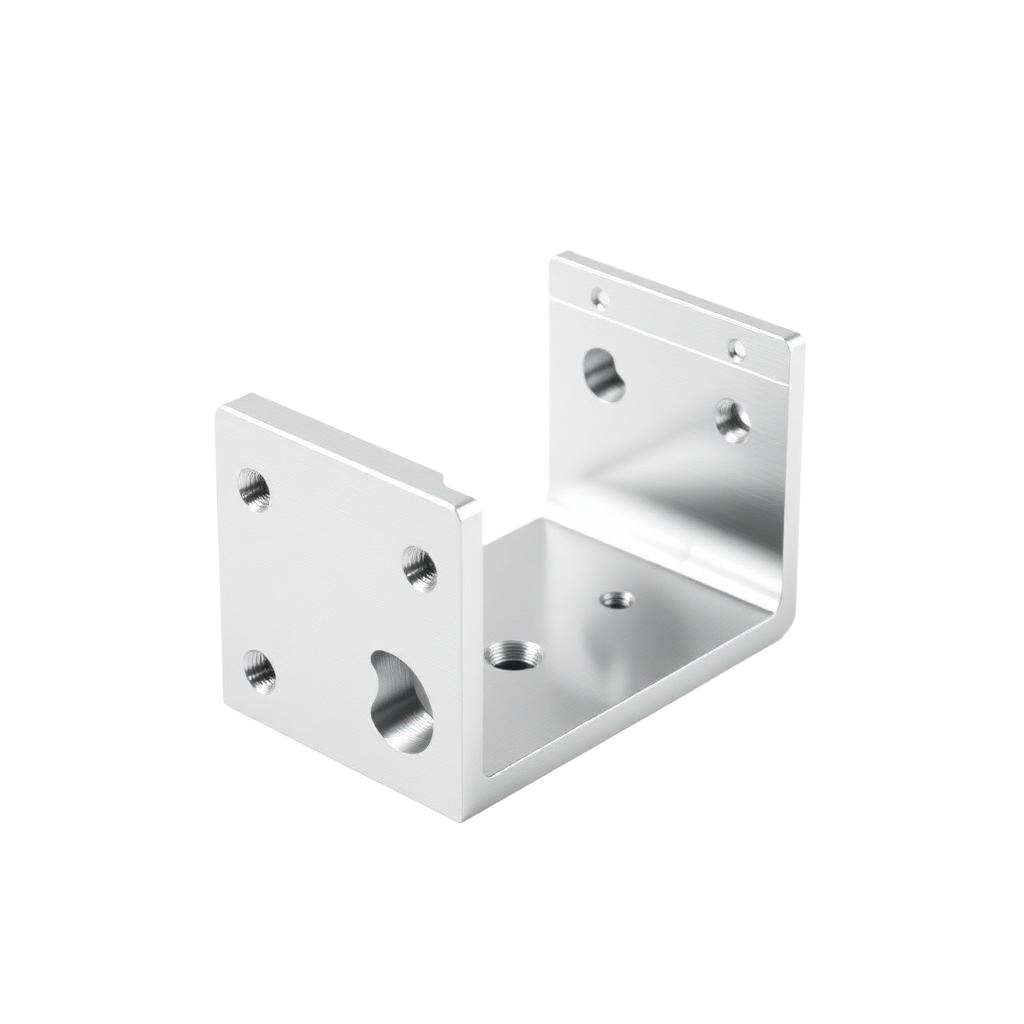
Aluminum
6061 and 7075 keep fielded hardware light while machining efficiently, which matters on brackets, mounts, and enclosure bodies produced in recurring quantities.
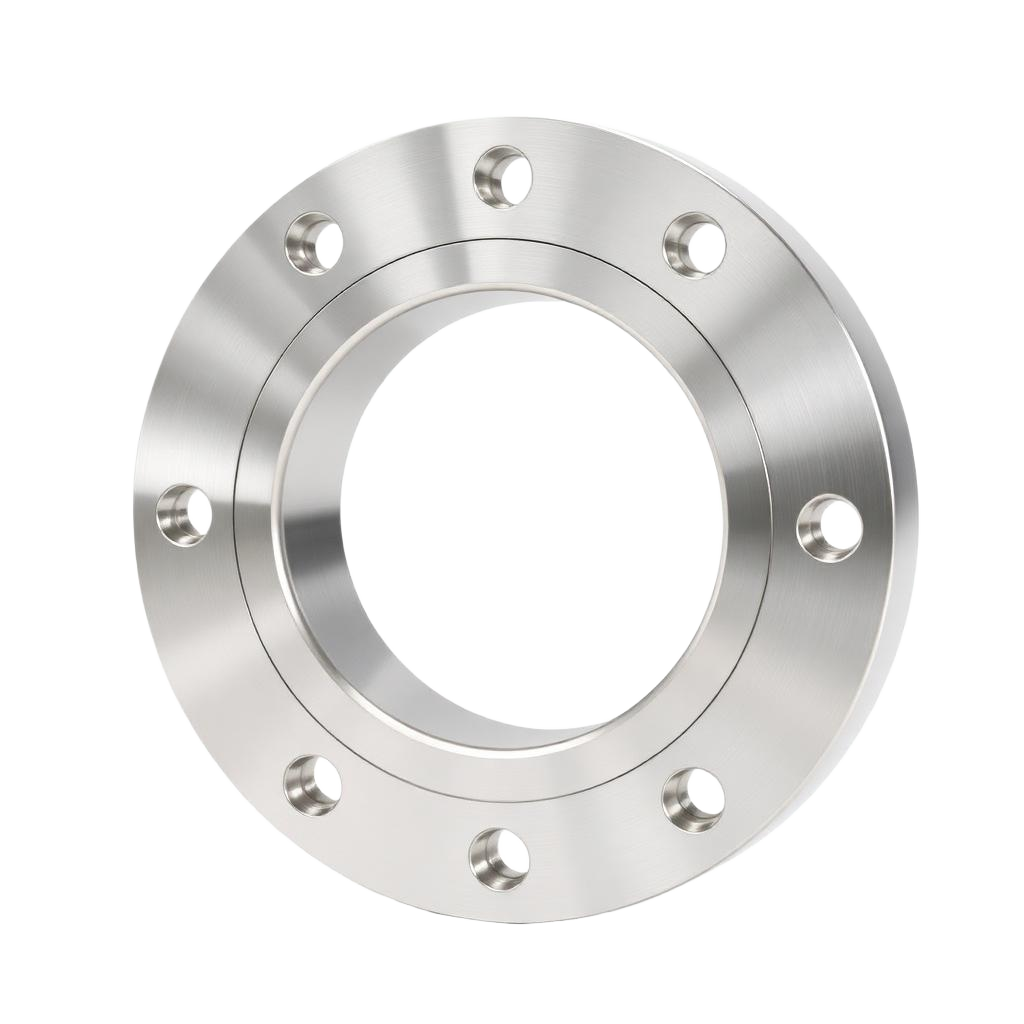
Stainless Steel
304, 316, and 17-4 PH provide corrosion resistance for exposed hardware, with 17-4 available where heat-treated strength is required.
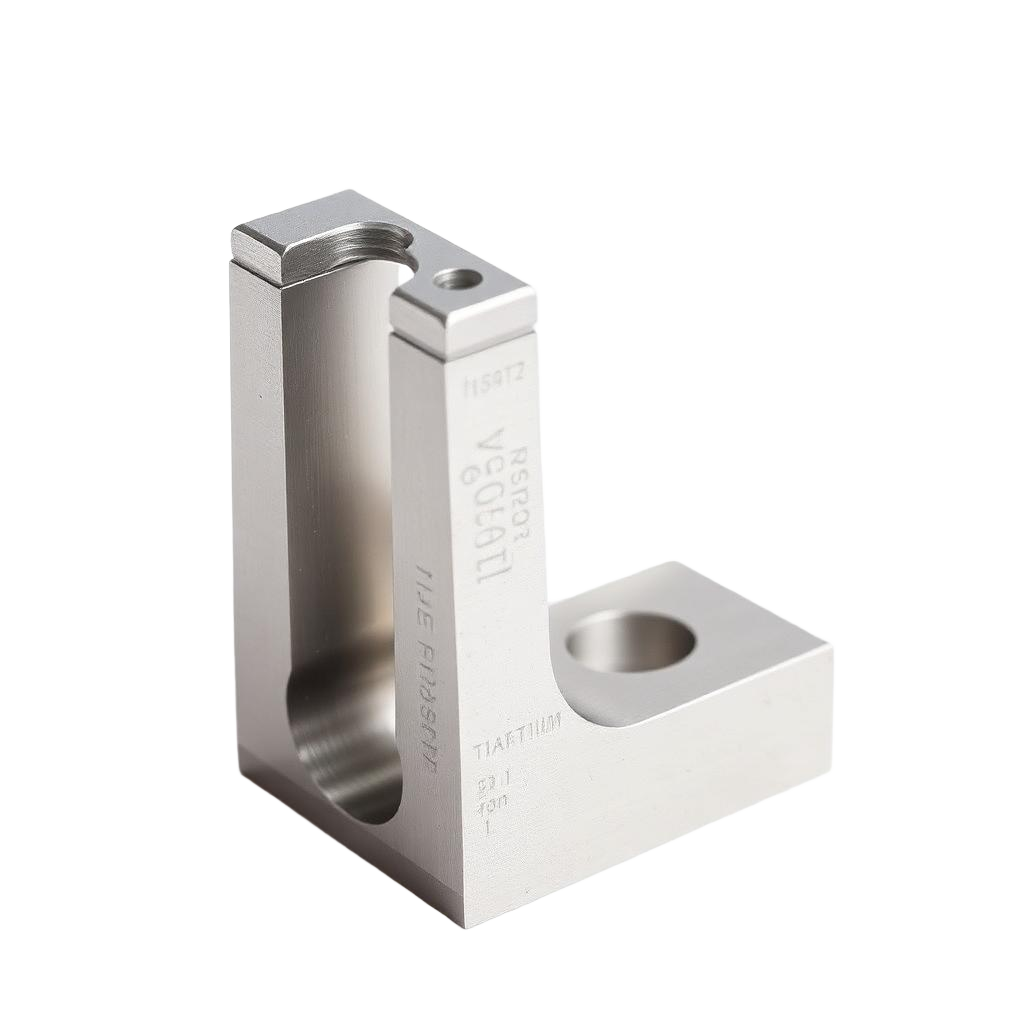
Titanium
Ti-6Al-4V is specified where strength-to-weight and corrosion resistance justify the added machining time on load-carrying components.
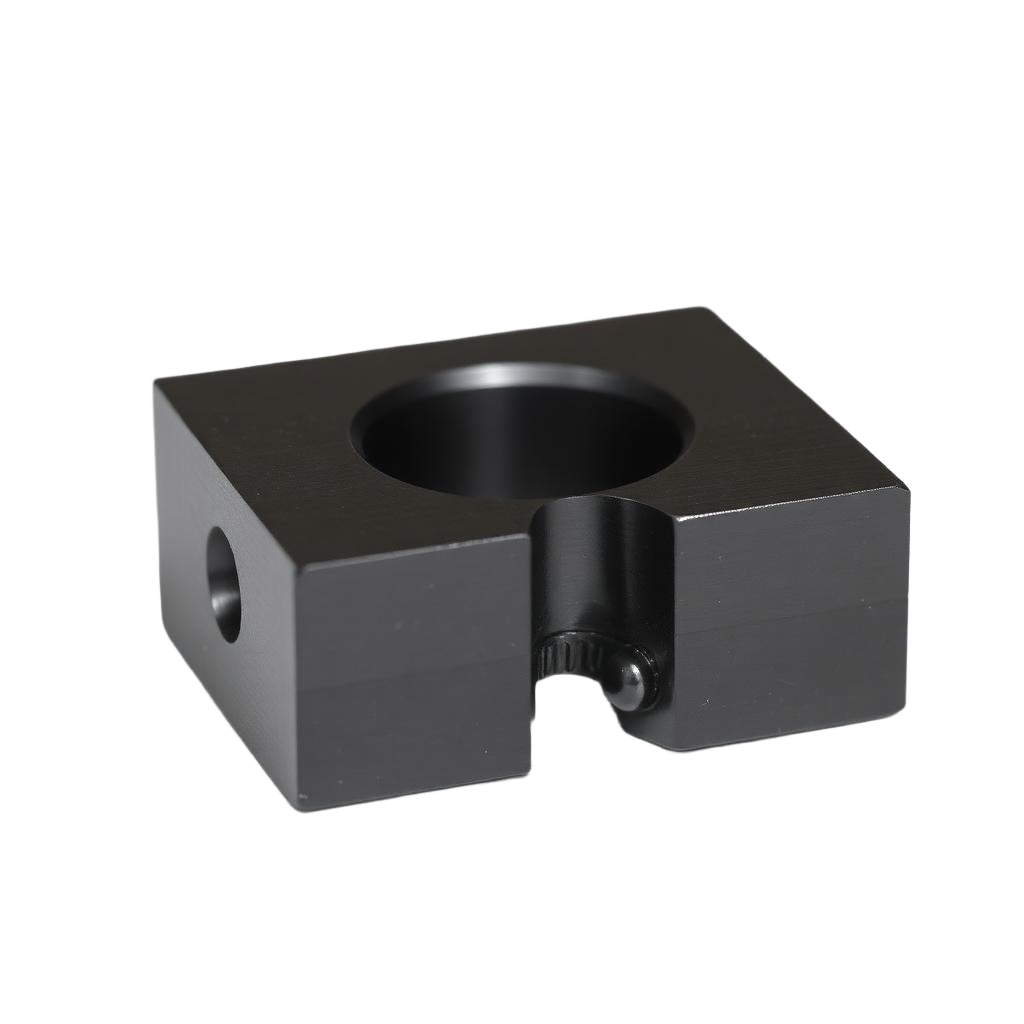
Tool Steel
A2, D2, and O1 provide the wear resistance and dimensional stability needed for fixturing, tooling, and hard-wearing mechanism components.
Quality measures on defense work.
Inspection and documentation are part of the job, not an add-on. What travels with a shipment depends on what the program flows down.
- ITAR registration
- Registered for ITAR-controlled programs; controlled technical data handled per program requirements.
- Domestic manufacturing
- All machining performed at our Elk Grove Village, IL facility.
- Material traceability
- Certified mill stock with heat and lot traceability documented on request.
- Certificate of Conformance
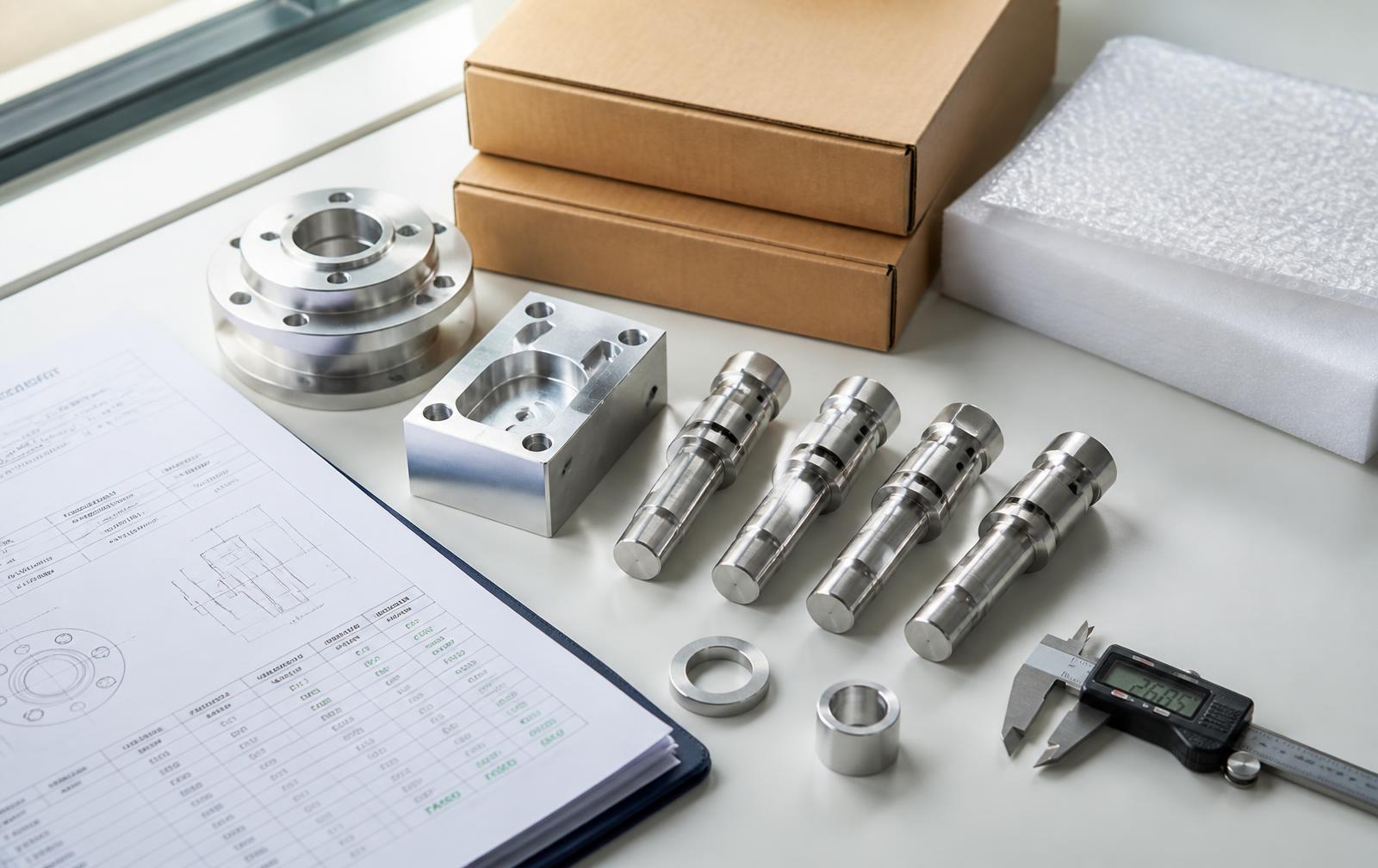
- Issued with every shipment.
- First Article Inspection
- AS9102-format FAI documentation on programs that flow it down.
- Dimensional inspection
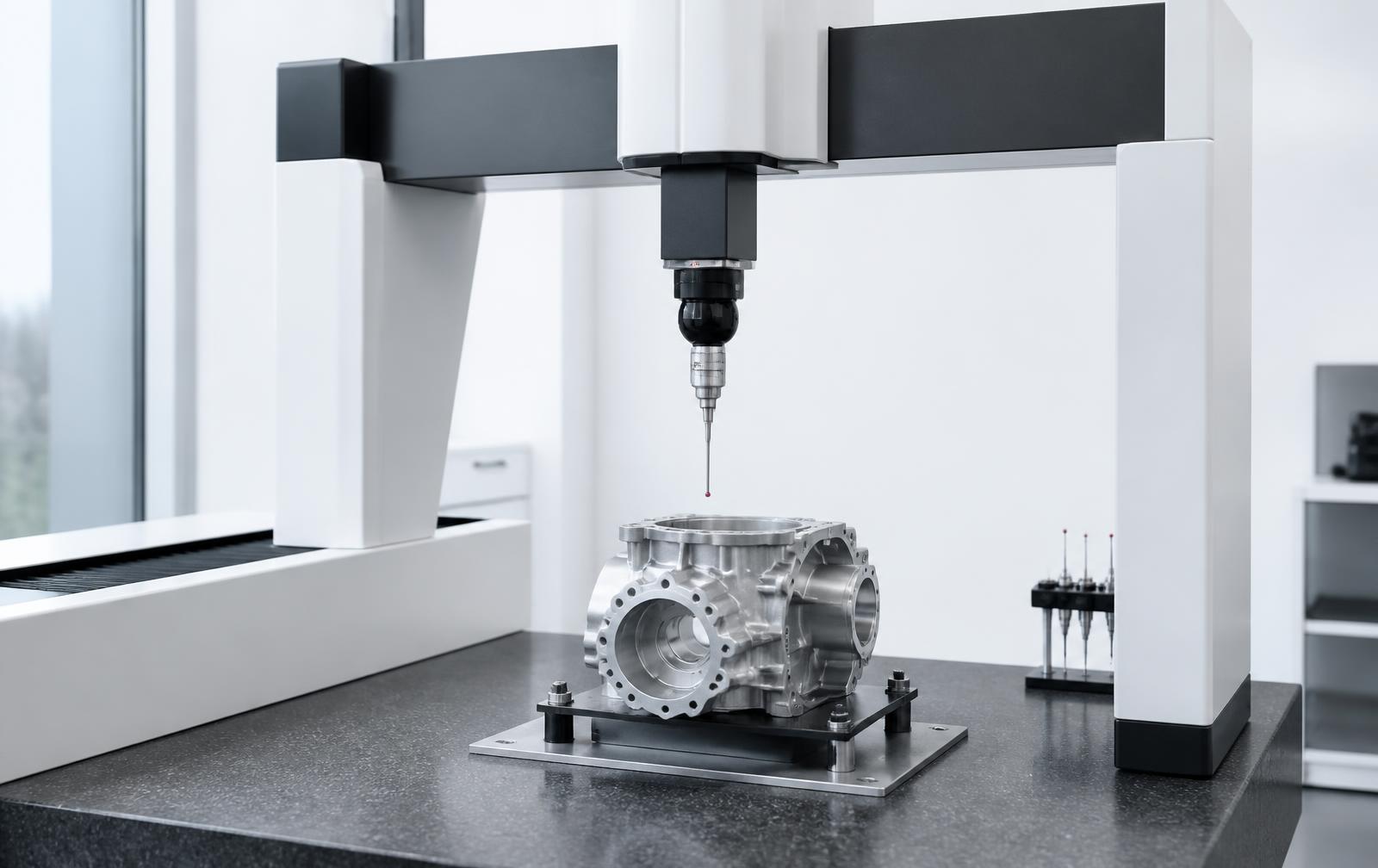
- CMM and hand-gauge inspection on the features identified as critical.
- AS9100D + ISO 9001:2015
- Quality management system maintained to both standards.
- Quality flowdowns
- Customer-specific quality requirements accepted and documented per program.
Metrology on site: Zeiss Contura CMM, FARO measurement arm, Mitutoyo Surftest surface profilometer, and optical comparator and vision measurement.
Quality & Inspection
How inspection, documentation, and process control are run on every job.
First Article Inspection
AS9102-format First Article Inspection documentation when the program requires it.
Inspection Equipment
Zeiss Contura CMM, FARO measurement arm, and surface metrology.
Tolerance Standards
Tolerance capability by process, and how we review drawings at quoting.
From RFQ to repeat production.
What happens after an RFQ is submitted, from print review through repeat production.
- 01
RFQ review
Engineering reviews the print, CAD files, material callouts, tolerances, quantity, and documentation requirements. Quote turnaround is typically one business day.
- 02
Engineering / DFM review
Manufacturability concerns and cost-reduction opportunities are identified before the job is released — tolerance stack-ups, fixturing, tool access, and finish callouts.
- 03
Production
Parts are machined in-house on the appropriate process: 3/4/5-axis milling, CNC and Swiss turning, wire EDM, or surface grinding, with secondary operations coordinated as needed.
- 04
Inspection & documentation
In-process and final inspection are performed to the drawing, with First Article Inspection, material certifications, and a Certificate of Conformance as the program requires.
- 05
Delivery & repeat production
Parts ship with the agreed documentation package. Qualified setups and inspection plans carry forward, so repeat releases run against a proven process.
Precision machining for defense programs
Defense work layers program controls on top of the print. Before geometry is discussed, a supplier usually has to answer where the parts are made, how controlled technical data is stored and transmitted, and what traceability travels with the shipment. ITAR registration and single-facility domestic manufacturing address the first two; certified material with heat and lot traceability addresses the third.
The parts themselves range widely — optics mounts and tactical system components with tight true-position requirements, mechanical assemblies for fielded equipment, and ground support hardware in larger, more forgiving envelopes. What they share is that the drawing is rarely the whole requirement. Critical characteristics, inspection frequency, and documentation format are typically flowed down separately and have to be planned into the job at quoting rather than discovered at final inspection.
Repeatability matters more than peak capability on most defense programs. Hardware is fielded, then supported for years, so a component may be reordered long after the original run. Retained setups, inspection plans, and CMM programs are what make a re-order behave like a continuation rather than a new development effort — and they keep replacement parts interchangeable with what is already in service.
For procurement teams, the defensible questions are simple: is the supplier registered for controlled work, is manufacturing domestic, can material be traced to the heat, and does the inspection documentation match the flowdown. Those answers should be available before an RFQ, not negotiated after first article.
Engineering resources for defense buyers.
Reference material relevant to defense part programs.
Additional engineering guides are in development.
Defense — FAQs
The questions engineering and procurement teams ask most often before a first quote.
Are you a US-based manufacturer?
Yes — all manufacturing is performed at our Elk Grove Village, IL facility.
Are you ITAR registered?
Yes. Northline is ITAR registered and handles controlled technical data per program requirements.
Can you flow down customer quality requirements?
Yes. We work to documented quality flowdowns on a per-program basis and record the resulting inspection and documentation requirements in the job.
Do you provide First Article Inspection documentation?
Yes. AS9102-format First Article Inspection documentation is available on programs that flow it down.
What certifications do you hold?
Northline is ISO 9001:2015 and AS9100D certified, and ITAR registered.
Can you support replacement parts for fielded equipment?
Yes. Where drawings and material specifications are available, components can be remade from existing prints, and retained setups make a later re-order behave like a continuation of the original run.
Is material traceability available?
Yes. Certified mill stock with heat and lot traceability and a Certificate of Conformance are available with shipments.
Do you support both prototype and repeat production?
Yes. First article and development hardware are commonly run on the setups intended for later scheduled releases.
Ready to discuss your next defense machining project?
Upload your CAD files or drawings and our engineering team will review the defense project requirements. Quote turnaround is typically one business day.