Inconel CNC Milling
CNC milling of Inconel brackets, flanges, and exhaust-system components where rigid workholding, conservative parameters, and disciplined tool-change scheduling matter more than raw removal rate. Production runs use documented setups and lot traceability.
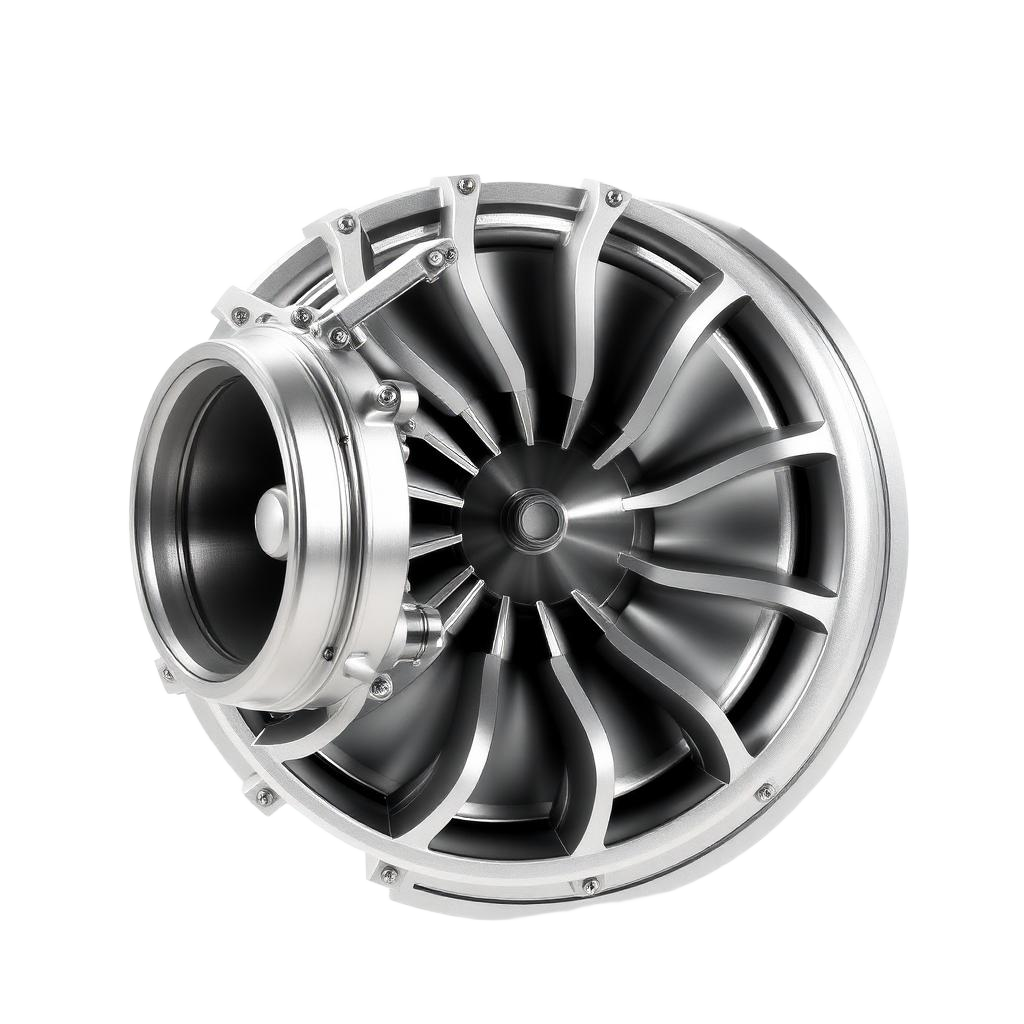
- Typical Tolerance
- ±0.001"
- Common Grades
- Inconel 625 · Inconel 718
- Production
- Prototype → Production
- Machine Type
- Haas VF-4SS 3-axis vertical machining center
Why Inconel Is Suited to CNC Milling
CNC Milling is appropriate for Inconel when the plan accepts conservative speeds, ceramic or coated carbide tooling, and scheduled tool changes. Nickel superalloys retain strength at cutting temperature and work-harden severely, so rigidity and process discipline drive results — not raw metal-removal rate.
Prismatic Inconel components produced with documented setups
Rigid workholding tuned to nickel-alloy cutting forces
Coolant and feed strategy that respects work-hardening behavior
Programmed tool changes managed as part of cycle planning
Machining Inconel on CNC Milling
Nickel-based superalloys work-harden severely, retain strength at elevated cutting temperature, and generate significant cutting forces. Successful production comes from conservative speeds, ceramic or coated carbide tooling, high-pressure coolant, and process discipline — not from pushing removal rates.
Severe work hardening penalizes any tool dwell or shallow engagement.
High cutting forces require rigid workholding and short tool overhangs.
Tool life is short compared to stainless — programming plans for controlled tool changes.
Heat resistance keeps chips near cutting temperature — coolant volume and pressure matter.
Inconel grades we machine
Inconel 625
Nickel-chromium-molybdenum alloy with strong corrosion and high-temperature performance.
Typical uses · Aerospace exhaust systems, chemical processing, marine engineering.
Inconel 718
Precipitation-hardening nickel superalloy widely used in gas turbine and aerospace applications.
Typical uses · Rotating turbine hardware, aerospace fasteners, high-temperature fittings.
Typical Inconel Components
Structural Components
- Brackets
- Mounts
- Plates
- Chassis panels
Fluid and Motion Bodies
- Hydraulic manifolds
- Pneumatic bodies
- Housings
- Valve bodies
Enclosures and Frames
- Enclosures
- Frames
- Fixture bases
- Machined subassemblies
Engineering Considerations for Inconel CNC Milling
Part Geometry
- Feature access planned to limit tool overhang
- Bore depths matched to available boring bars and internal coolant
- Thin flanges reinforced during machining
Material Behavior
- Severe work hardening on any dwell or rubbing
- Retention of hardness at elevated cutting temperature
- Chip control demanding on both roughing and finishing
Design and Tolerancing
- Tolerance allocation balanced against tool wear reality
- Inspection points chosen where distortion risk is lowest
- Surface finish targets set against realistic Ra ranges
Production Planning
- Controlled tool changes scheduled into cycle time
- Material certified and traceable to mill lot
- Cycle-time expectations set against nickel-alloy realities
Process Advantages for Inconel CNC Milling
Repeatable 3- and 4-axis production of Inconel components
Documented setups and programs preserved across releases
4-axis indexing reduces refixturing on multi-sided parts
DFM feedback tied to Inconel cost and cycle-time drivers
In-process inspection on production runs
Achievable tolerances and surface finishes
- Dimensional
- Typical ±0.001"–±0.005", with ±0.0005" achievable on qualified features
- Flatness
- Flatness within a few thousandths across most milled surfaces
- Surface finish
- 63–125 Ra typical off the tool
Realistic ranges depend on geometry, material, and feature type. Sub-thousandth tolerances are reviewed against setup and inspection strategy.
Inspection and documentation
CMM dimensional verification on critical features
Material certifications with lot traceability to certified mill stock
Surface finish measurement on interface and sealing features
First Article Inspection available on qualified programs
Certificate of Conformance on request
Related Manufacturing Resources
Inconel overview
Grades, considerations, and applications for inconel.
CNC Milling overview
Machines, envelopes, and tolerances for cnc milling.
Inconel 5-Axis Milling
Complex Inconel geometries produced in a single setup.
Inconel CNC Turning
Rotational Inconel components produced with controlled parameters.
Aluminum CNC Milling
Efficient production of aluminum brackets, plates, and housings.
Stainless Steel CNC Milling
Stainless brackets, housings, and hardware in repeat production.
Titanium CNC Milling
3- and 4-axis production of titanium brackets, housings, and fittings.
Tool Steel CNC Milling
Soft-state milling roughs and pre-finishes features before heat treat.
Engineering Plastics CNC Milling
PEEK, Delrin, and PTFE components produced with polished tooling.
Inconel CNC Milling — FAQs
The questions engineering and procurement teams ask most often before a first quote.
What inconel grades can Northline machine with CNC Milling?
We routinely machine Inconel 625, Inconel 718 on CNC Milling for prototype and production programs. Additional grades can be sourced for qualified programs — discuss requirements at RFQ.
What tolerances are typical for Inconel CNC Milling?
Typical ±0.001"–±0.005", with ±0.0005" achievable on qualified features. Realistic ranges depend on geometry, material, and feature type. Sub-thousandth tolerances are reviewed against setup and inspection strategy.
Is Inconel suitable for CNC Milling?
Yes. Inconel 625 and 718 are produced on CNC Milling using conservative speeds, rigid workholding, and scheduled tool changes. Cycle-time expectations are set against nickel-alloy realities.
Can you provide material certifications for inconel?
Yes. Material certifications with traceability to certified mill stock are available for Inconel on request. Confirm documentation requirements at RFQ.
Do you support both prototype and repeat production runs?
Yes. Prototypes are programmed, fixtured, and inspected the same way production parts are, which keeps the path to a qualified inconel production program short and predictable.
Ready to discuss your inconel machining project?
Upload your CAD files or drawings and our engineering team will review the project requirements.