Precision components for battery manufacturing equipment and automation.
Electrode handling fixtures, cell assembly tooling, and structural components held to tolerances that have to add up across an assembly — with fast turns on revisions during commissioning and consistent duplicates as lines are replicated.
ISO 9001:2015 | AS9100D | ITAR Registered
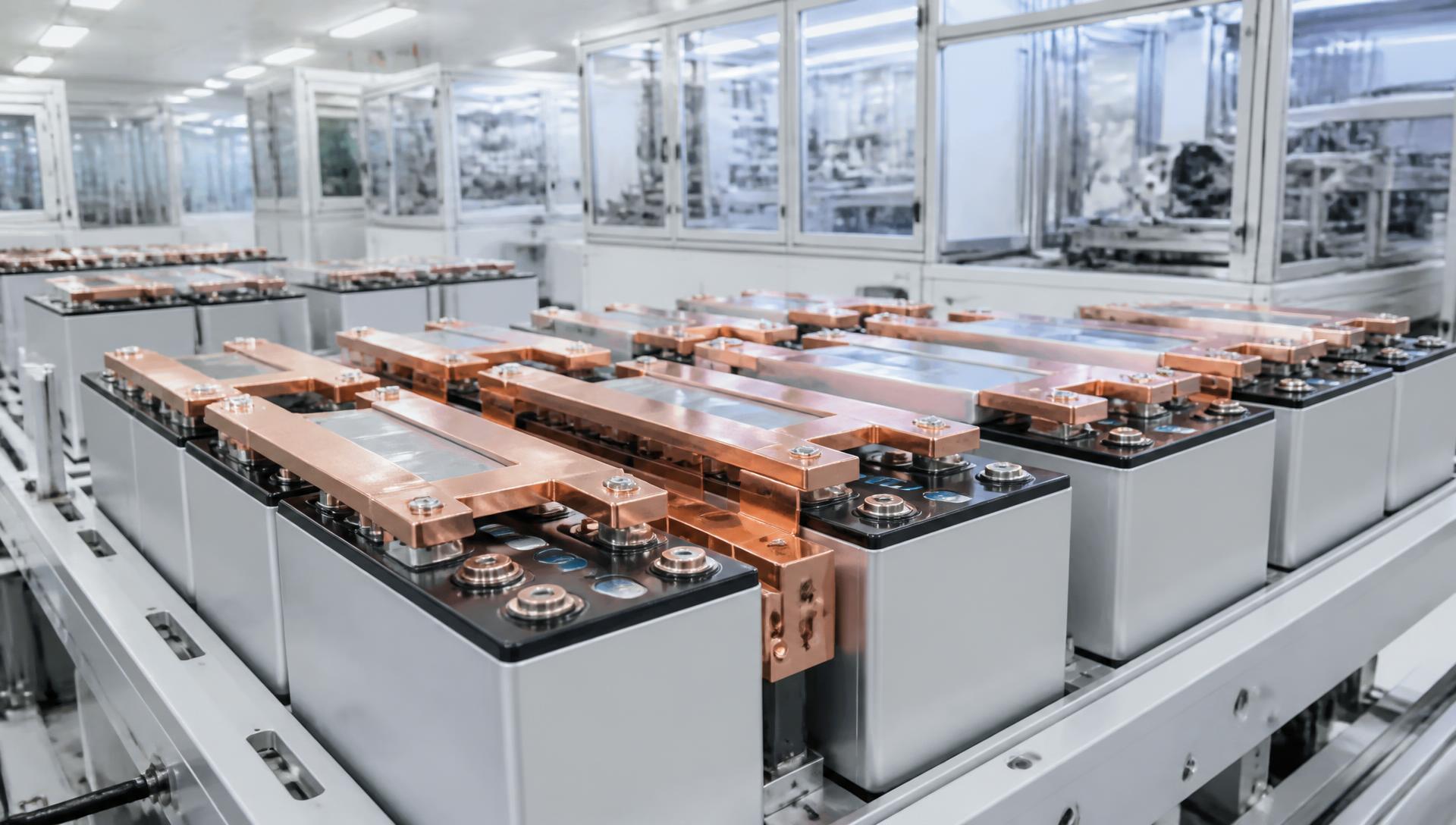
How we support battery manufacturing programs.
Battery equipment programs need precision tooling and fixturing that survives a capacity ramp: tight tolerances on electrode and assembly fixtures, corrosion-resistant material selection, and fast turns on iterative tooling revisions.
Prototype tooling and automation components
Fast-turn fixtures and mechanism parts during equipment development, revised as the process is proven out.
Production equipment components
Machined structural, drive, and handling components for equipment builds on a scheduled release.
Replacement and MRO parts
Wear items and spares remade from existing prints to keep installed equipment running.
Repeat components for line expansion
Duplicate fixturing and tooling produced from qualified setups as capacity is added.
Program requirements
Battery equipment builders typically specify these requirements:
- Dimensional consistency — fixture interfaces that set position held part-to-part, not just in the first build.
- Repeatability across duplicates — the fixture built for line two behaves like the one qualified on line one.
- Durable material selection — stainless, tool steel, and engineering plastics matched to wear and chemical exposure.
- Equipment uptime support — wear items and spares remade from existing prints to keep installed lines running.
- Fast-turn revisions — iterative tooling changes cut quickly during commissioning and ramp-up.
- Documented inspection — verification of the interfaces that determine positional accuracy in the assembly.
Components we machine for battery manufacturing programs.
Representative part types, based on the processes and materials we run in-house. Illustrative of our capability set rather than a record of specific customer programs.
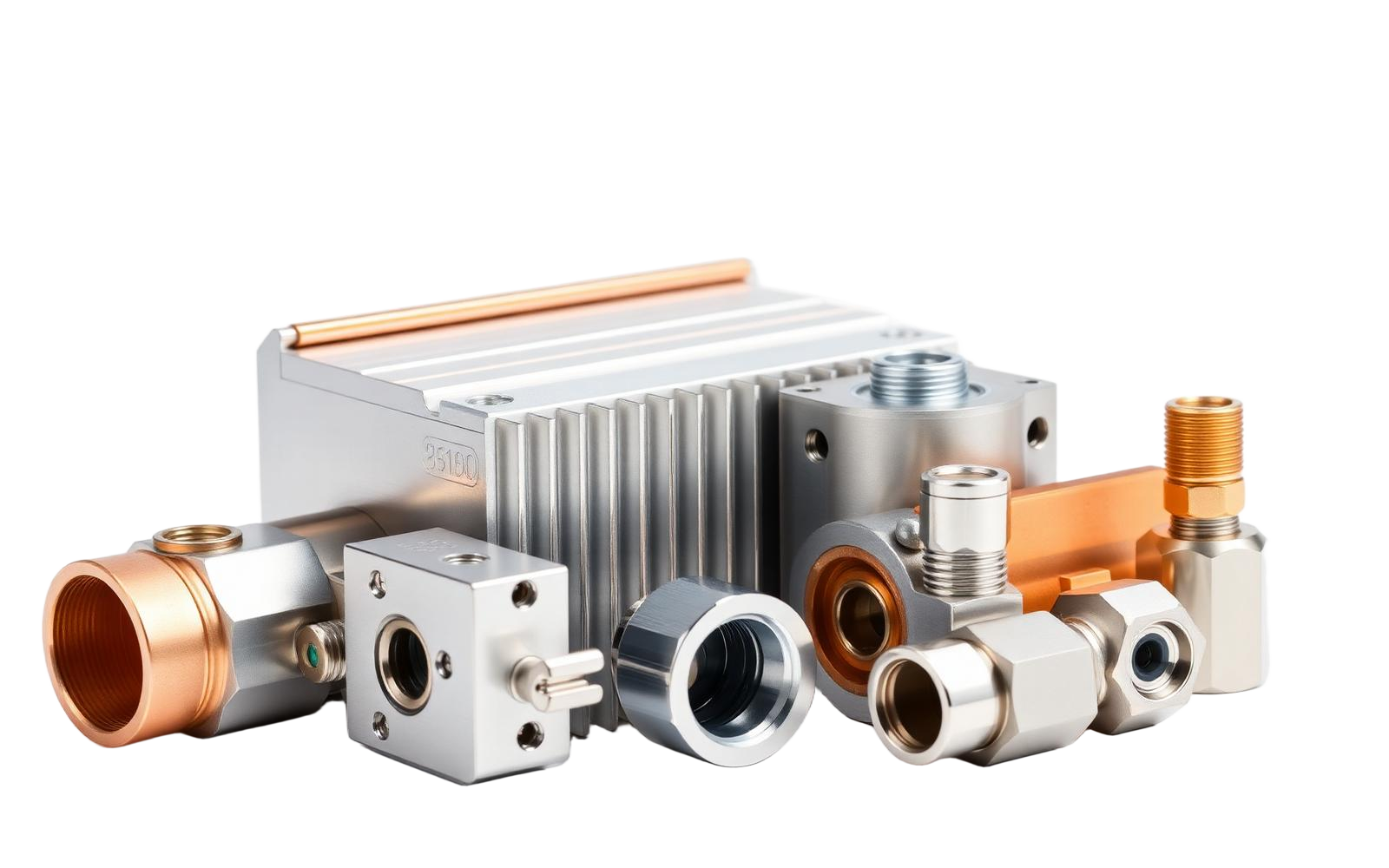
Electrode handling and assembly fixturing
Cell assembly tooling
Equipment frames and structural components
Precision drive and mechanism components
Capabilities for battery manufacturing programs.
The processes most often applied to battery manufacturing work, each with its own capability detail page.
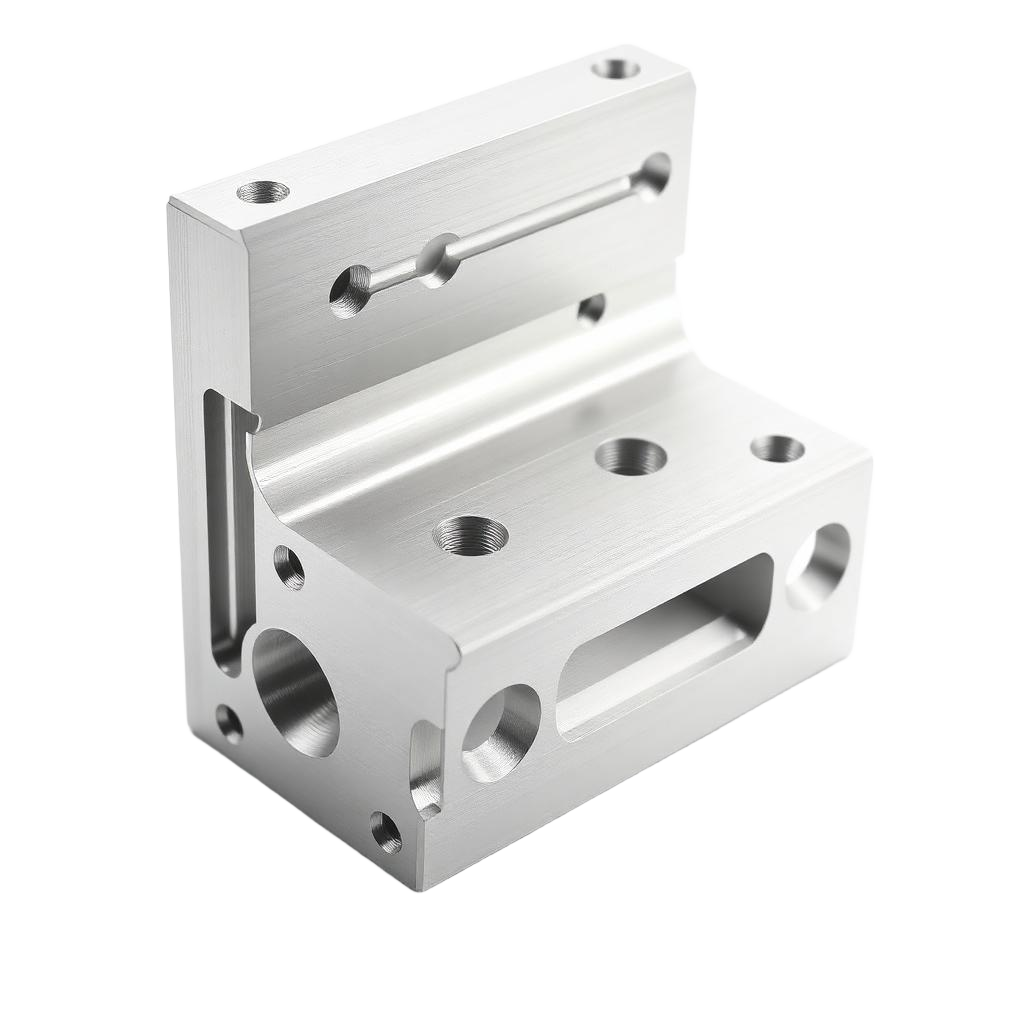
CNC Milling
Fixture plates, mounting structure, and handling components where hole pattern position and flatness set assembly accuracy.
TYPICAL ±0.001"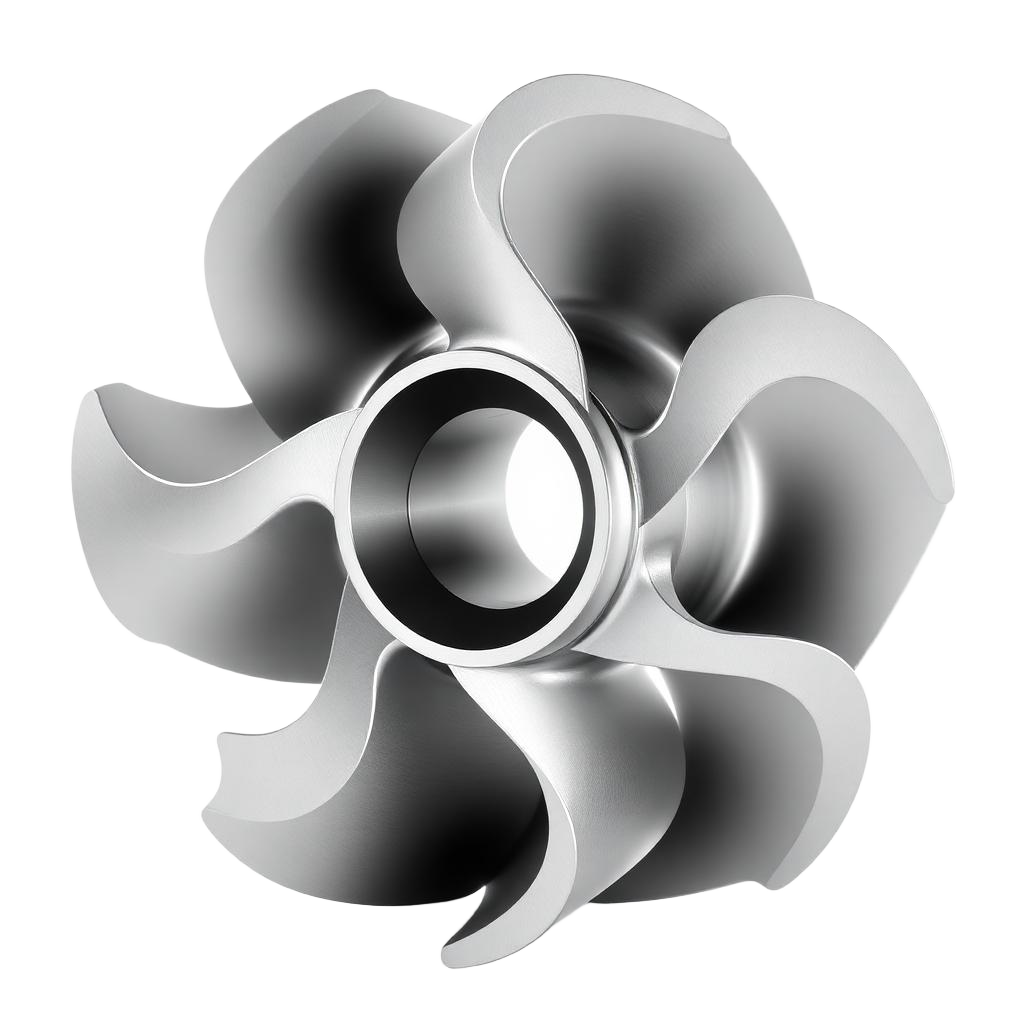
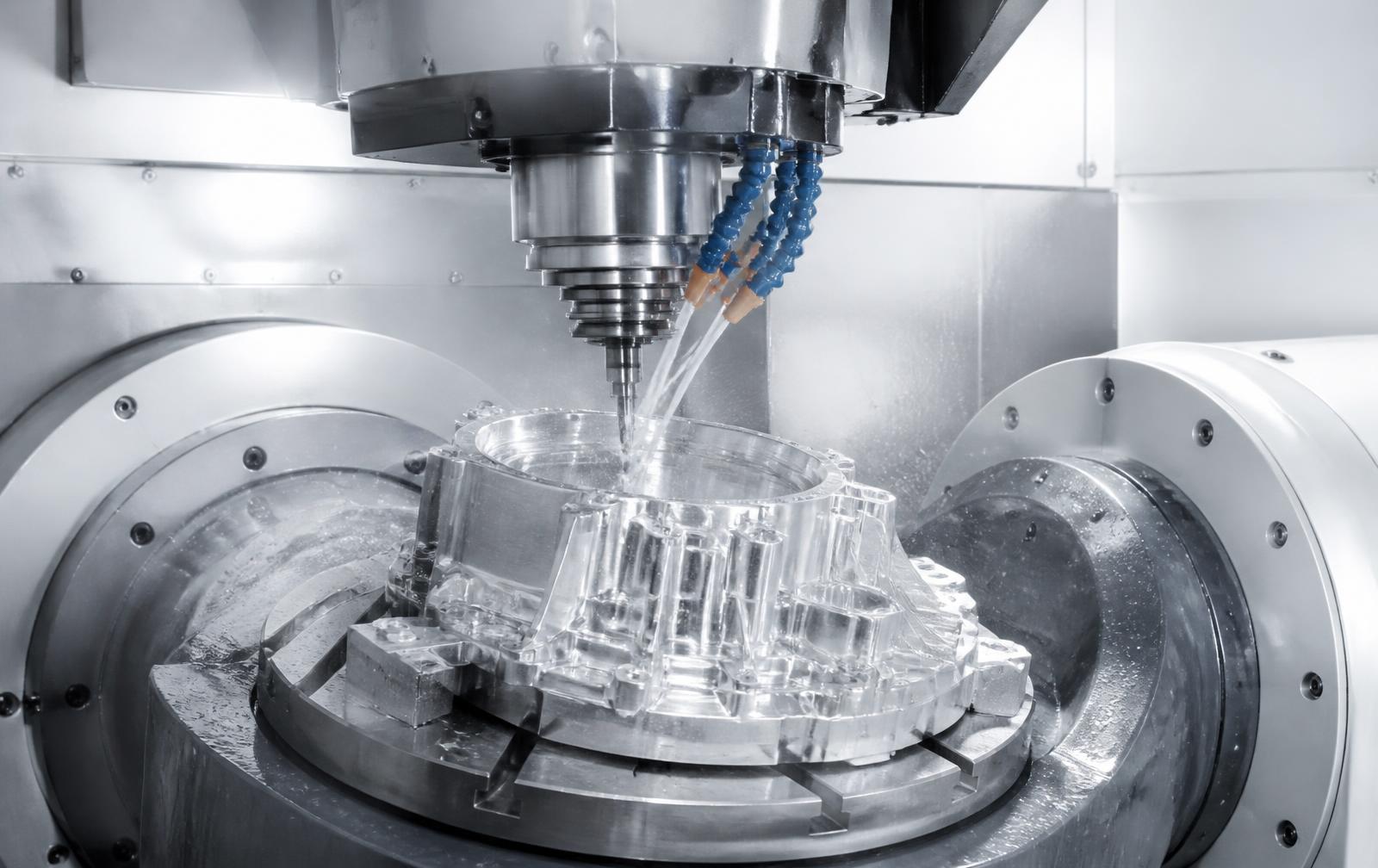
5-Axis Milling
Multi-face tooling and mechanism bodies machined in fewer setups, keeping positional relationships intact through a revision cycle.
TYPICAL ±0.0005"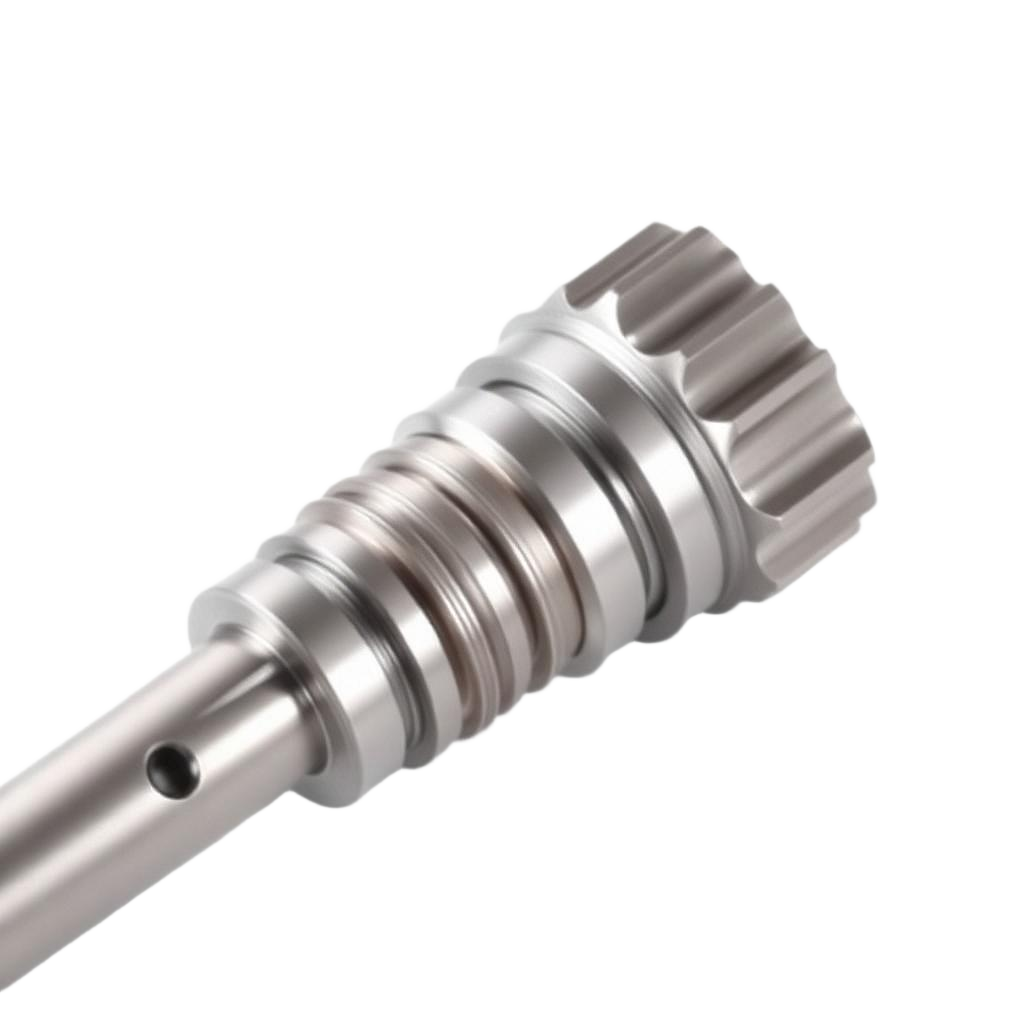
CNC Turning
Rollers, shafts, and drive components requiring controlled diameters, concentricity, and finish for high-cycle motion.
TYPICAL ±0.0005"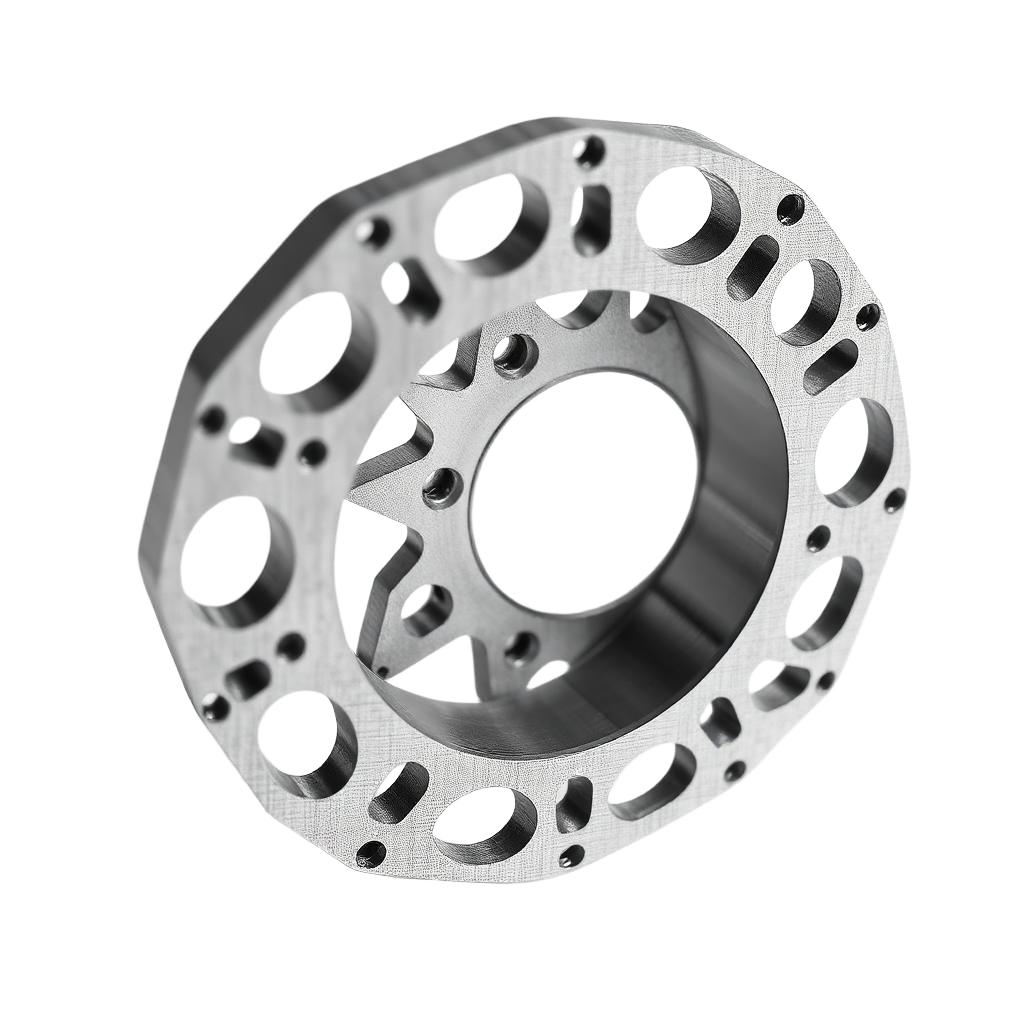
Wire EDM
Sharp-cornered profiles and slots in hardened electrode and contact tooling that a rotating tool cannot produce.
TYPICAL ±0.0002"Materials for battery manufacturing work, and why they're specified.
Stocked or sourced from certified mill stock, with material certifications and heat / lot traceability available on request. Each material links to grades, machining notes, and typical applications.
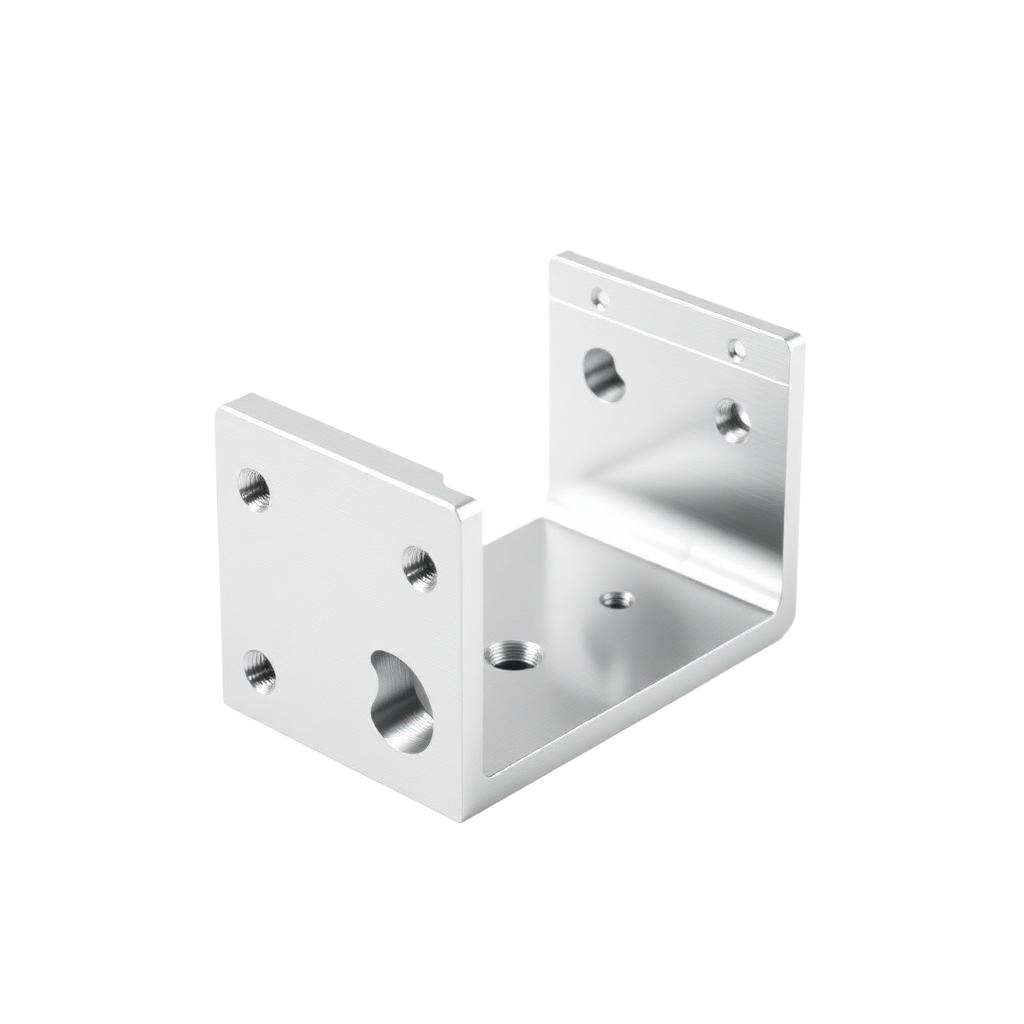
Aluminum
6061 and 7075 keep moving automation components light enough for high-cycle motion while machining quickly during fast-turn tooling revisions.
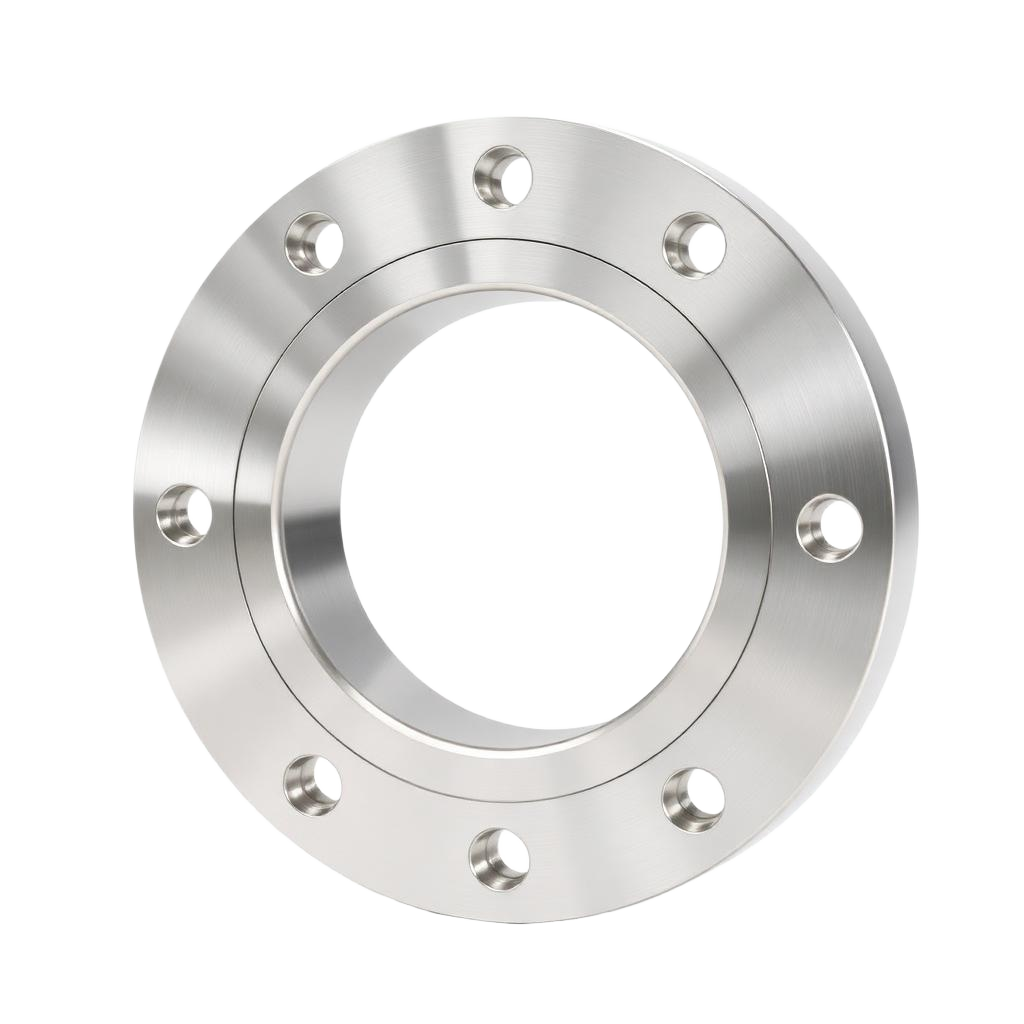
Stainless Steel
304 and 316 provide corrosion resistance and cleanability in electrode and electrolyte-adjacent environments where aluminum would degrade.
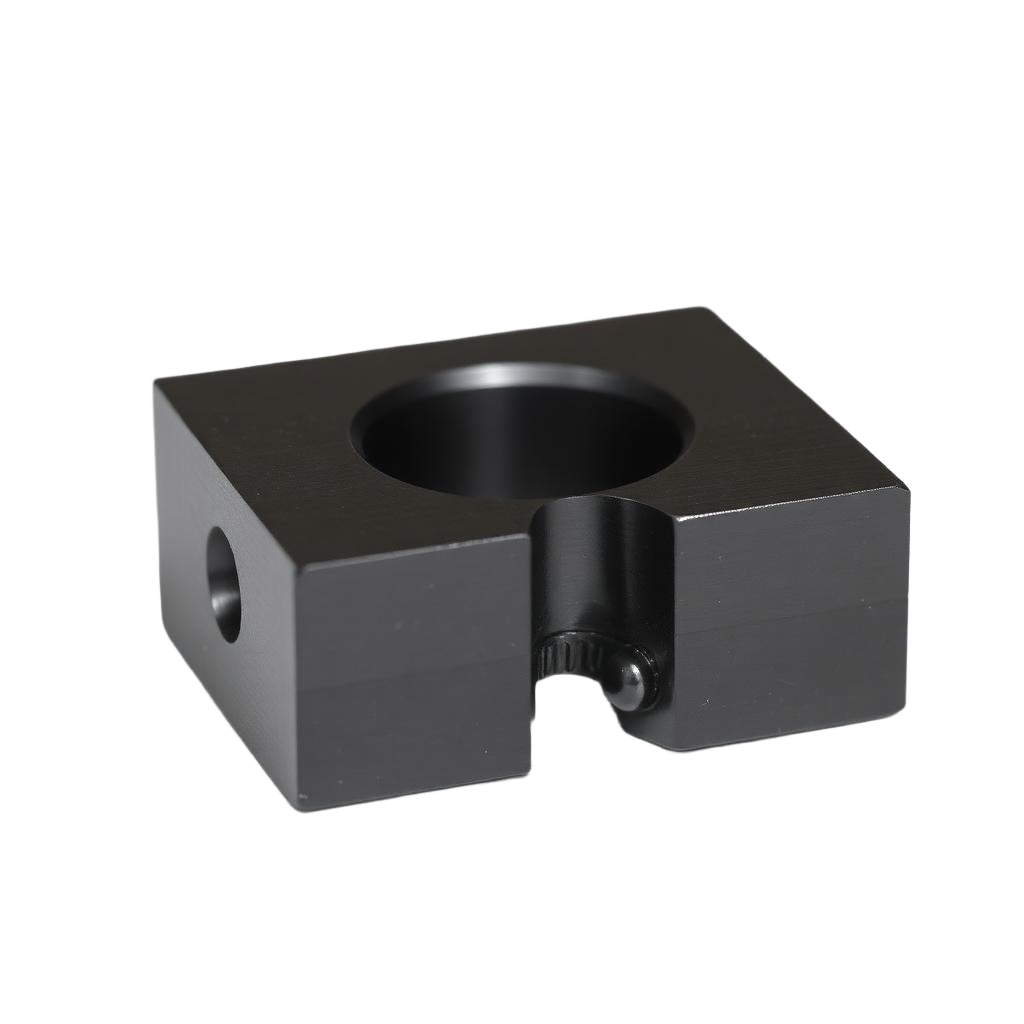
Tool Steel
A2 and D2 give the wear resistance and dimensional stability that electrode handling and cell assembly tooling need over long production cycles.

Engineering Plastics
PEEK, Delrin, and PTFE supply electrical insulation, chemical resistance, and low-friction, non-marring contact surfaces on handling components.
Quality measures on battery manufacturing work.
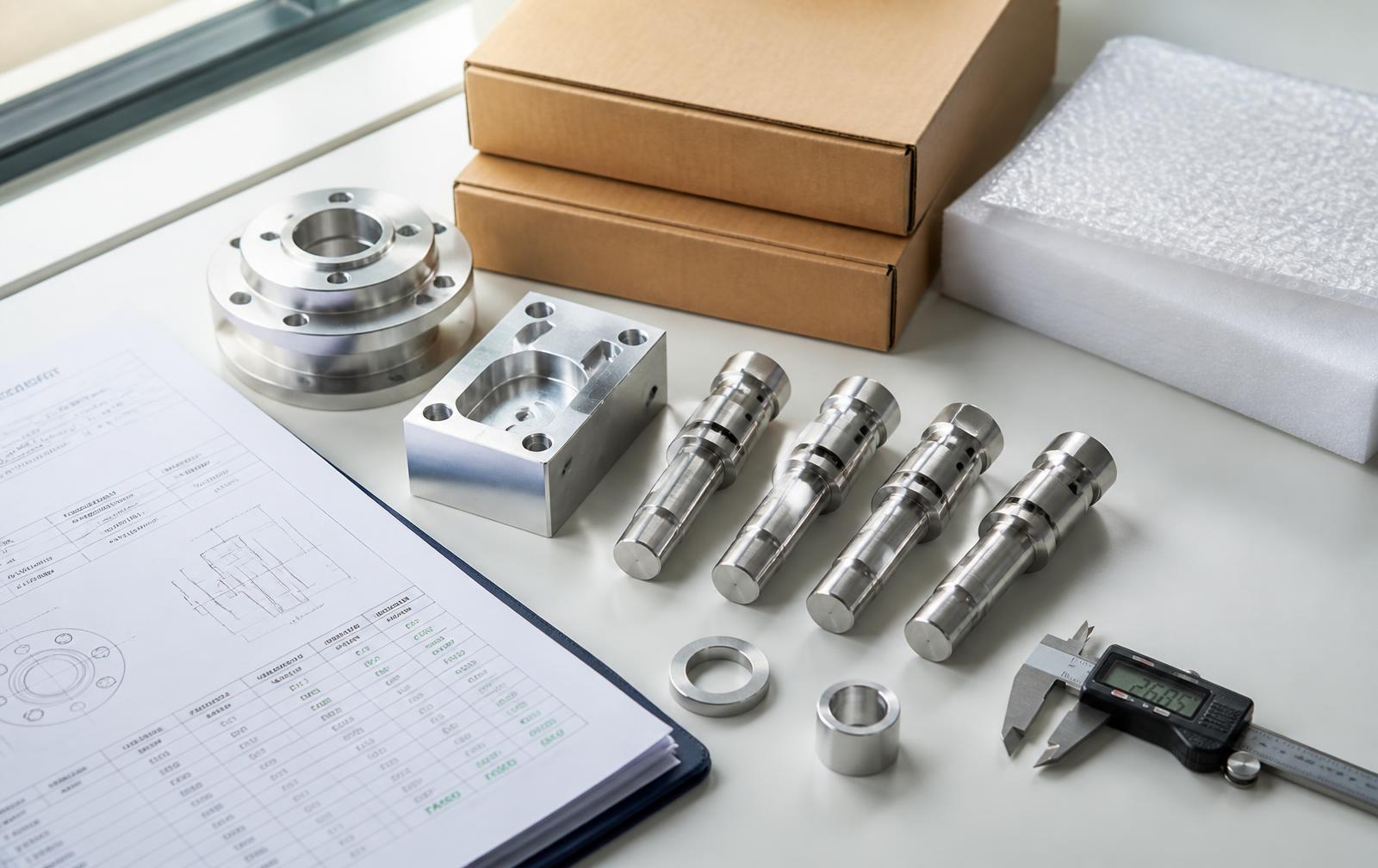
Inspection and documentation are part of the job, not an add-on. What travels with a shipment depends on what the program flows down.
- Dimensional inspection
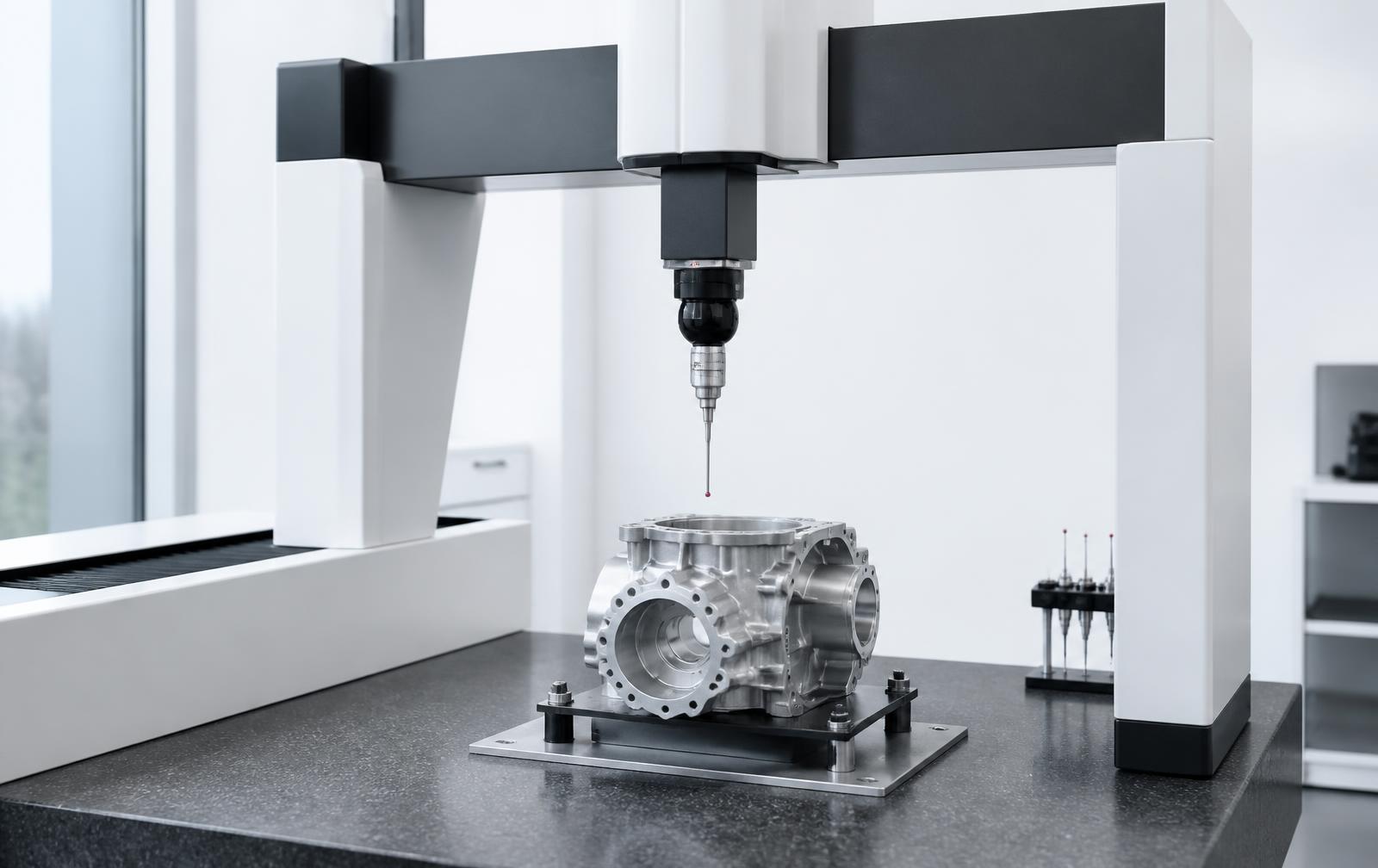
- CMM inspection on fixturing and tooling features that set part-to-part position.
- First Article Inspection
- FAI documentation on new tooling and equipment components when specified.
- Material certifications
- Certified mill stock with heat and lot traceability on request.
- Certificate of Conformance
- Issued with every shipment.
- Inspection reports
- Dimensional reports supplied on request for critical fixturing interfaces.
- Calibration controls
- Metrology maintained on a documented calibration schedule.
- Revision control
- Setups and programs retained by revision so tooling iterations stay traceable.
- ISO 9001:2015 + AS9100D
- Quality management system maintained to both standards.
Metrology on site: Zeiss Contura CMM, FARO measurement arm, Mitutoyo Surftest surface profilometer, and optical comparator and vision measurement.
Quality & Inspection
How inspection, documentation, and process control are run on every job.
First Article Inspection
AS9102-format First Article Inspection documentation when the program requires it.
Inspection Equipment
Zeiss Contura CMM, FARO measurement arm, and surface metrology.
Tolerance Standards
Tolerance capability by process, and how we review drawings at quoting.
From RFQ to repeat production.
What happens after an RFQ is submitted, from print review through repeat production.
- 01
RFQ review
Engineering reviews the print, CAD files, material callouts, tolerances, quantity, and documentation requirements. Quote turnaround is typically one business day.
- 02
Engineering / DFM review
Manufacturability concerns and cost-reduction opportunities are identified before the job is released — tolerance stack-ups, fixturing, tool access, and finish callouts.
- 03
Production
Parts are machined in-house on the appropriate process: 3/4/5-axis milling, CNC and Swiss turning, wire EDM, or surface grinding, with secondary operations coordinated as needed.
- 04
Inspection & documentation
In-process and final inspection are performed to the drawing, with First Article Inspection, material certifications, and a Certificate of Conformance as the program requires.
- 05
Delivery & repeat production
Parts ship with the agreed documentation package. Qualified setups and inspection plans carry forward, so repeat releases run against a proven process.
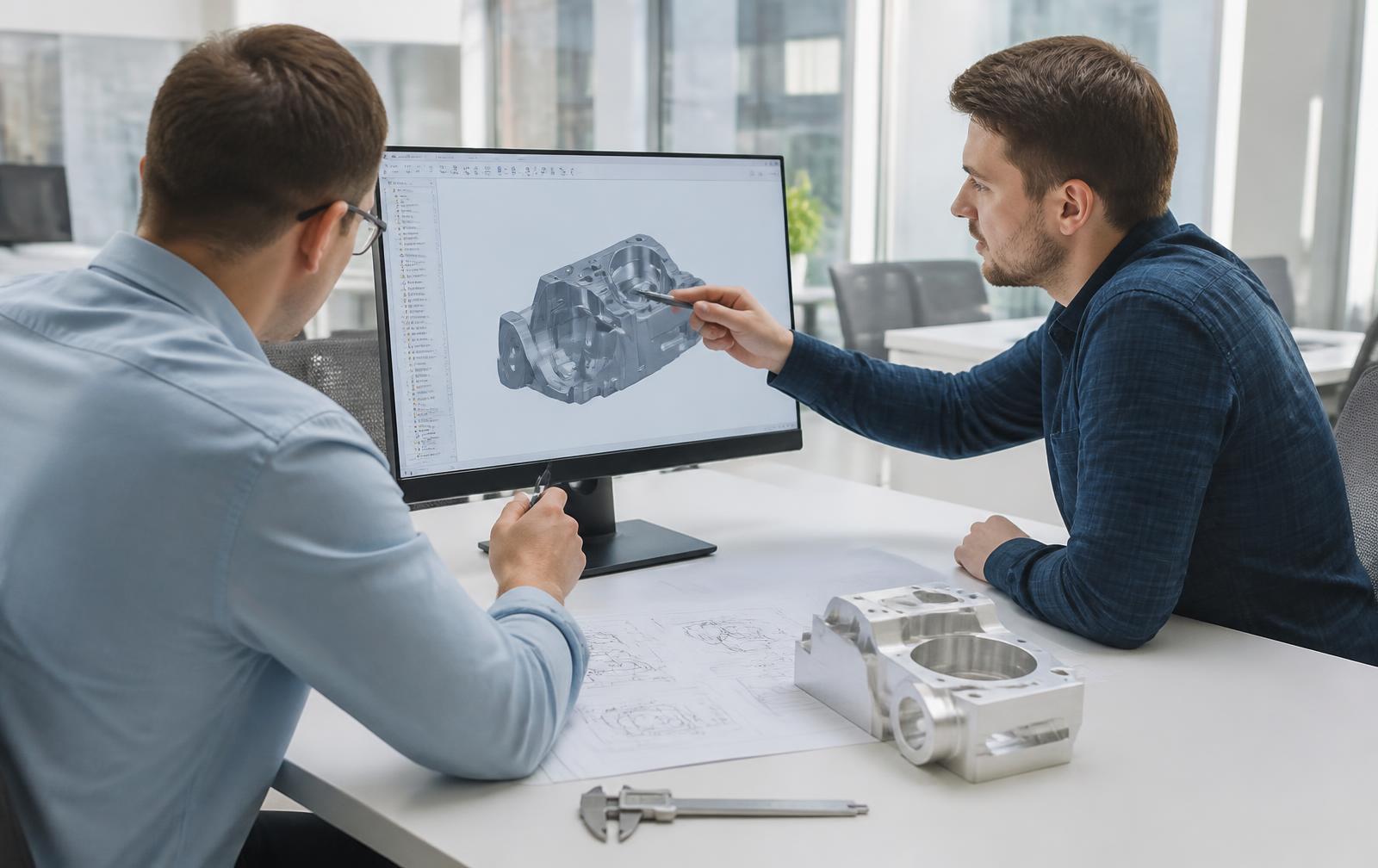
Machining for battery manufacturing equipment
Battery manufacturing equipment puts precision where the process is least tolerant: electrode handling, stacking and winding fixtures, and cell assembly tooling, where a few thousandths of positional error compounds into misalignment across thousands of cycles. The machined components are often unremarkable in isolation and demanding as a set, because their tolerances have to add up across an assembly rather than pass individually.
Material choice tracks the environment. Aluminum keeps high-cycle motion components light, stainless holds up in electrolyte-adjacent and washdown-sensitive areas, tool steel handles wear on contact tooling, and engineering plastics such as PEEK, Delrin, and PTFE provide insulation and non-marring contact where metal would damage electrode material.
Schedule behavior matters as much as tolerance during a capacity ramp. Equipment commissioning generates iterative tooling revisions, and a component that arrives two weeks late can idle an entire line. Fast-turn machining on revised geometry, with prior setups and programs retained by revision, is usually what keeps an install on schedule.
As lines are duplicated, the emphasis shifts from speed to consistency: the fixture built for line two should behave like the one qualified on line one. Documented inspection on the interfaces that set position, plus material certification and a Certificate of Conformance, gives equipment builders a defensible record when a process problem has to be traced back to hardware.
Engineering resources for battery manufacturing buyers.
Reference material relevant to battery manufacturing part programs.
Additional engineering guides are in development.
Battery Manufacturing — FAQs
The questions engineering and procurement teams ask most often before a first quote.
Do you make battery cells?
No. We manufacture precision components and tooling for the equipment that makes cells — not the cells themselves.
Can you support iterative tooling revisions during a ramp?
Yes. Fast-cycle tooling work is common during equipment commissioning and ramp-up, and prior setups and programs are retained by revision.
Can you produce duplicate fixturing as lines are added?
Yes. Once a fixture is qualified, duplicates run from the retained setup and program so line-to-line behavior stays consistent.
Which materials do you recommend near electrode and electrolyte exposure?
304 and 316 stainless for corrosion resistance and cleanability, tool steel where wear governs, and PEEK, Delrin, or PTFE where insulation and non-marring contact are required.
Do you supply replacement and wear parts for installed equipment?
Yes. Wear items and spares are remade to existing prints, which is a common way programs keep installed lines running.
What inspection documentation is available?
Dimensional reports on critical fixturing interfaces, First Article Inspection when specified, material certifications on request, and a Certificate of Conformance with every shipment.
What tolerances can you hold on fixturing?
Typical milling capability is ±0.001", with ±0.0005" on 5-axis work. Locating features are reviewed at quoting against the assembly requirement.
How fast can you quote a revised part?
Quote turnaround is typically one business day once the revised CAD and drawing are available.
Start your next battery equipment machining project.
Upload your CAD files or drawings and our engineering team will review the battery manufacturing project requirements. Quote turnaround is typically one business day.