Reliable machined components for demanding industrial equipment.
Repeat-production parts released against blanket POs and kanban schedules, held to controlled setups with inspection documentation sized to your quality system rather than to the maximum available paperwork.
ISO 9001:2015 | AS9100D | ITAR Registered
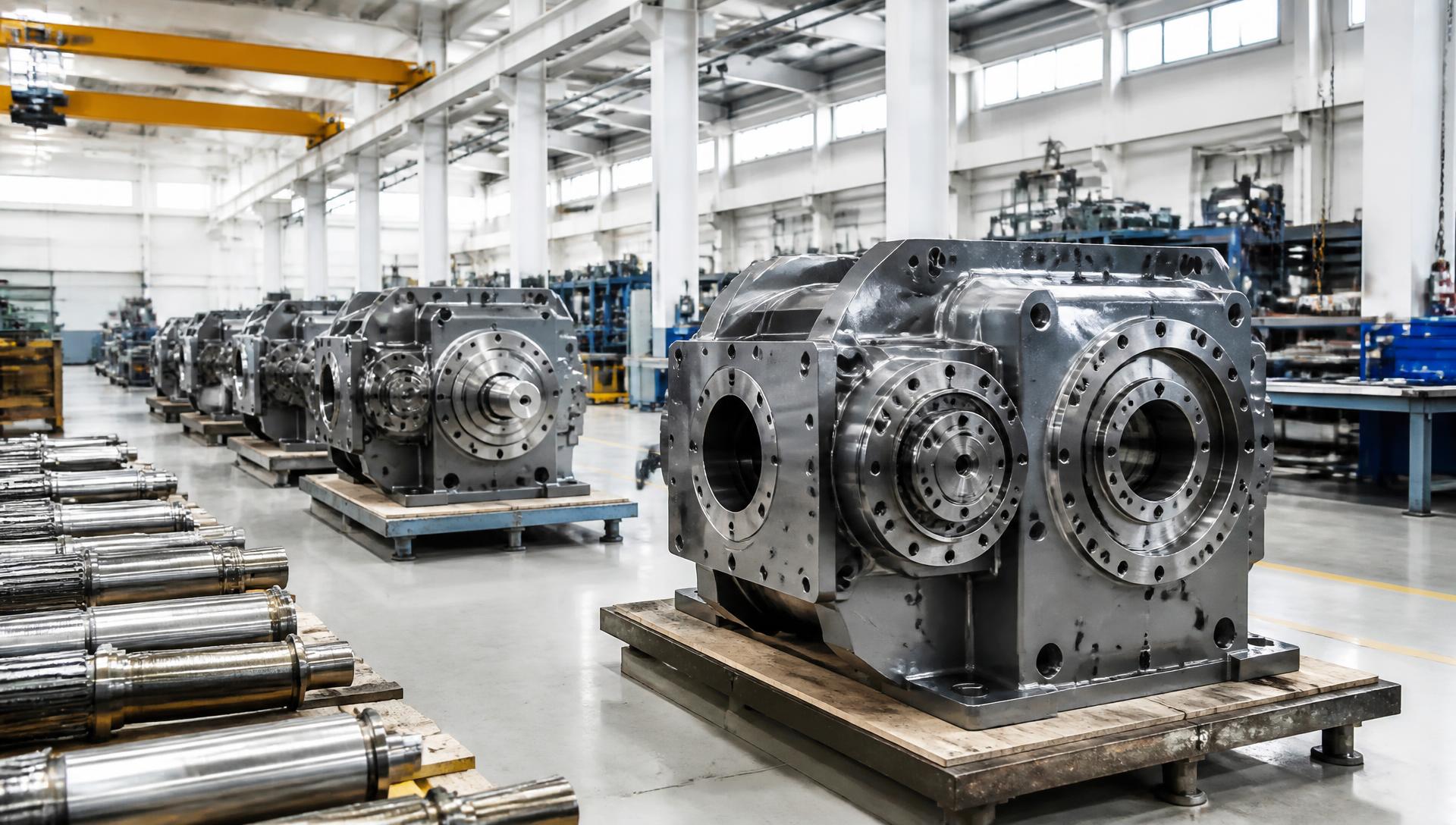
How we support industrial equipment programs.
Industrial equipment OEMs buy durable, repeatable production components: controlled setups that hold across long-running releases, predictable lead times, and inspection documentation that fits the buyer's own quality system.
Repeat production programs
Long-running components released against blanket POs or kanban schedules from controlled setups.
Low-to-mid-volume production
Build-quantity lots for equipment programs that do not justify dedicated tooling.
Replacement and MRO components
Spares and wear items remade to existing prints for equipment already in the field.
Engineering support and cost reduction
DFM review on legacy parts to remove setups, simplify features, and reduce cost on long-running releases.
Program requirements
Industrial equipment OEMs typically buy against these requirements:
- Repeatable production — documented setups and retained programs so long-running releases behave the same.
- Schedule reliability — releases planned against blanket POs, kanban, or scheduled delivery dates.
- Documented inspection — verification of the features identified as critical, with reports on request.
- Material certifications — certified stock with heat and lot traceability where the program calls for it.
- Cost discipline — DFM review on legacy parts to remove setups and features that no longer earn their cost.
- Replacement part continuity — existing part numbers re-established from available drawings and material specs.
Components we machine for industrial equipment programs.
Representative part types, based on the processes and materials we run in-house. Illustrative of our capability set rather than a record of specific customer programs.
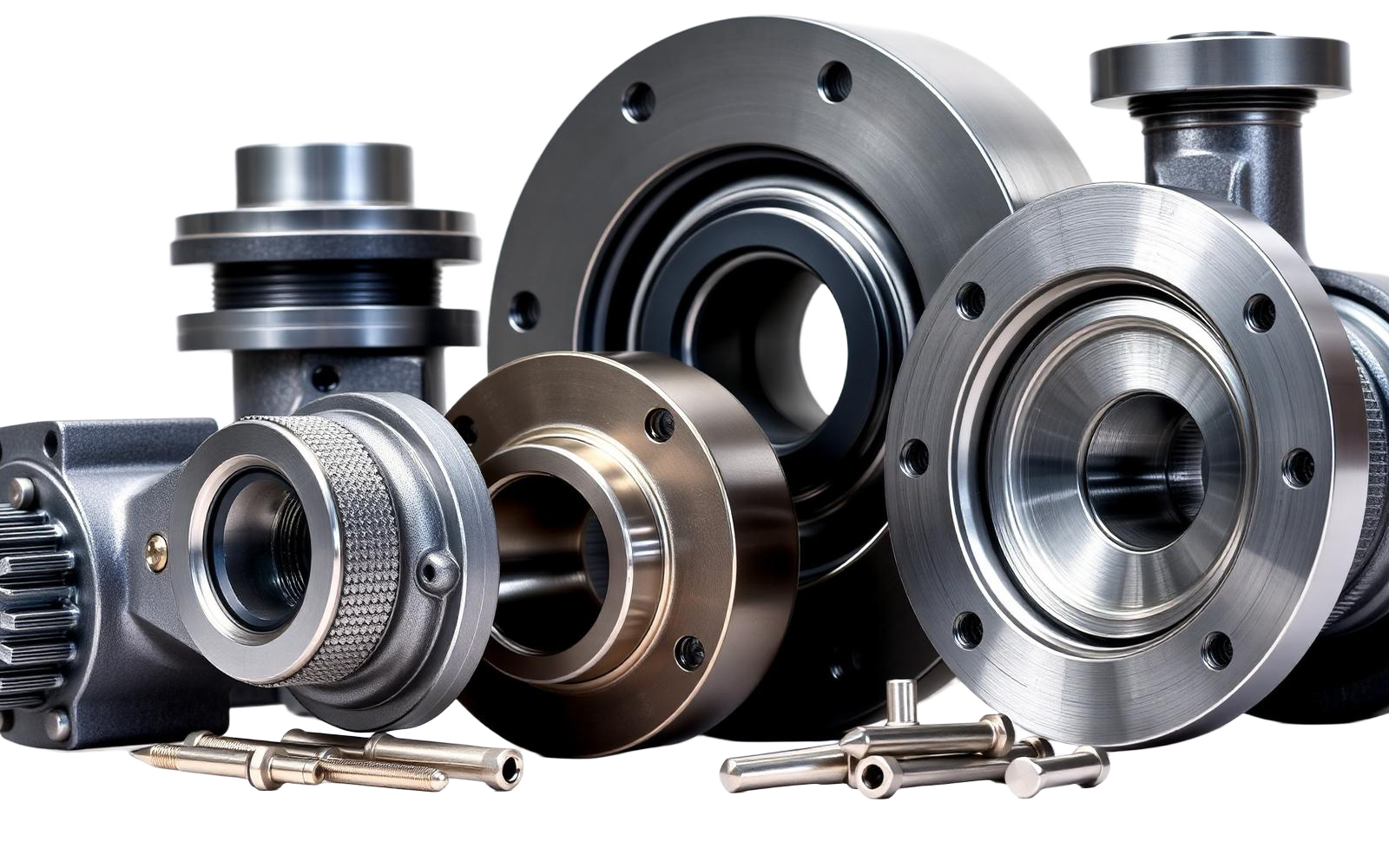
Hydraulic and pneumatic components
Equipment housings and frames
Machine fixturing and tooling
Replacement components for fielded equipment
Capabilities for industrial equipment programs.
The processes most often applied to industrial equipment work, each with its own capability detail page.
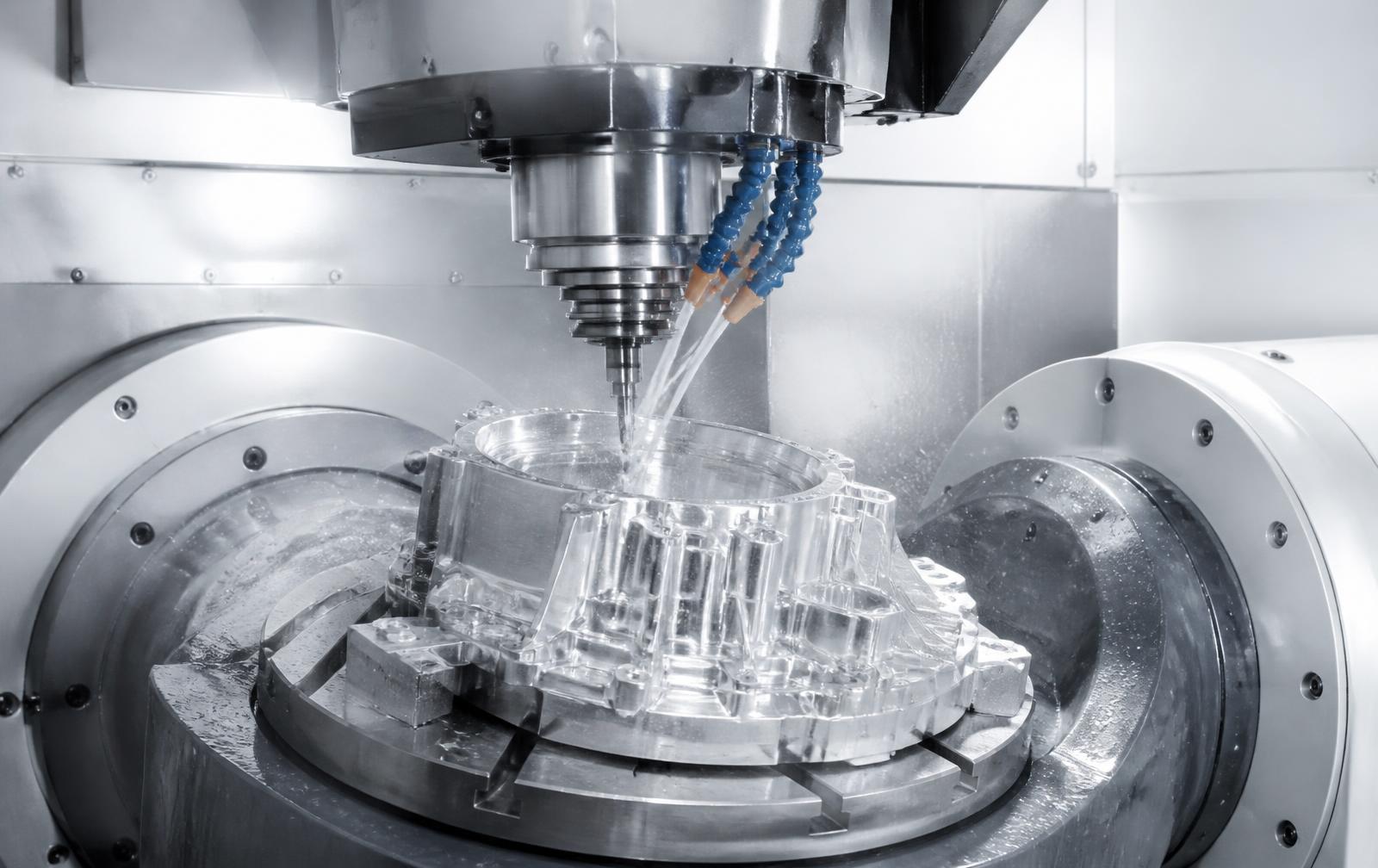
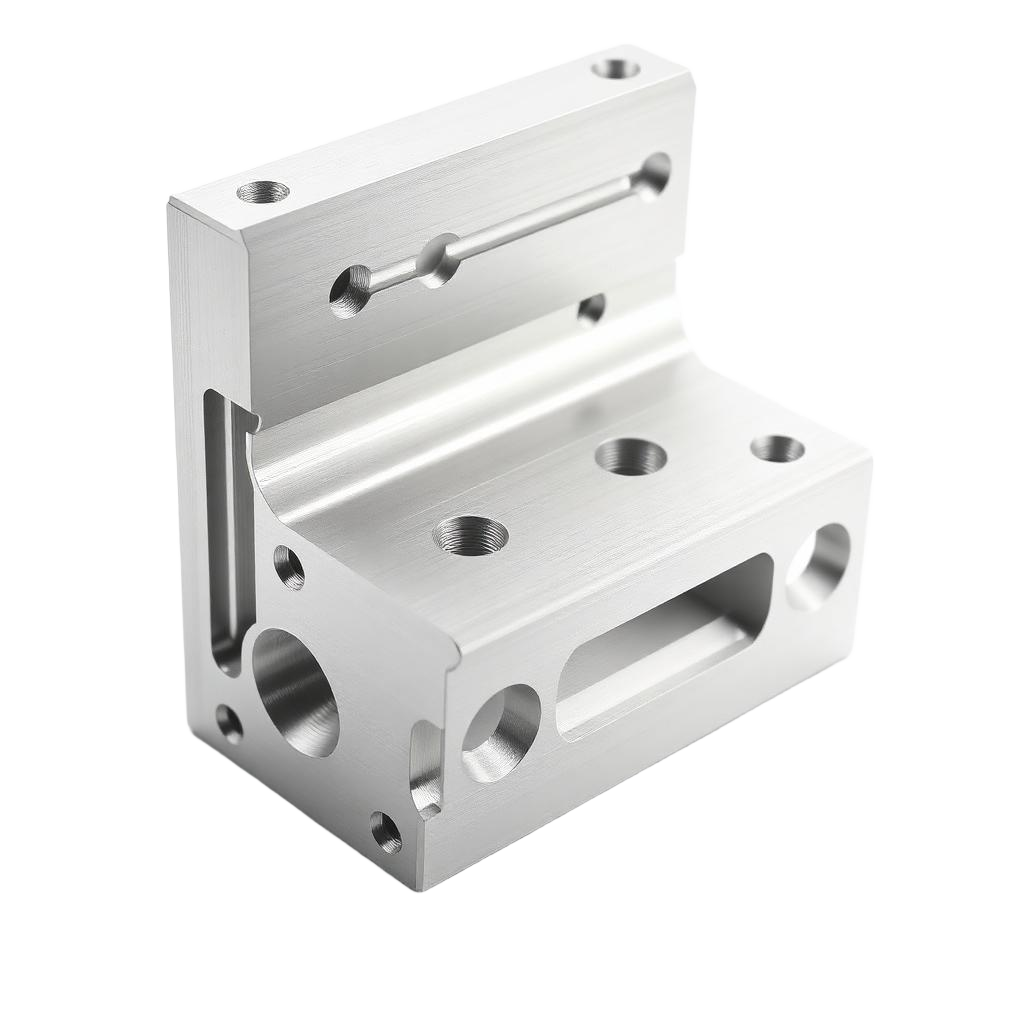
CNC Milling
Flexible 3- and 4-axis machining for housings, frames, manifolds, and fixturing across recurring build quantities.
TYPICAL ±0.001"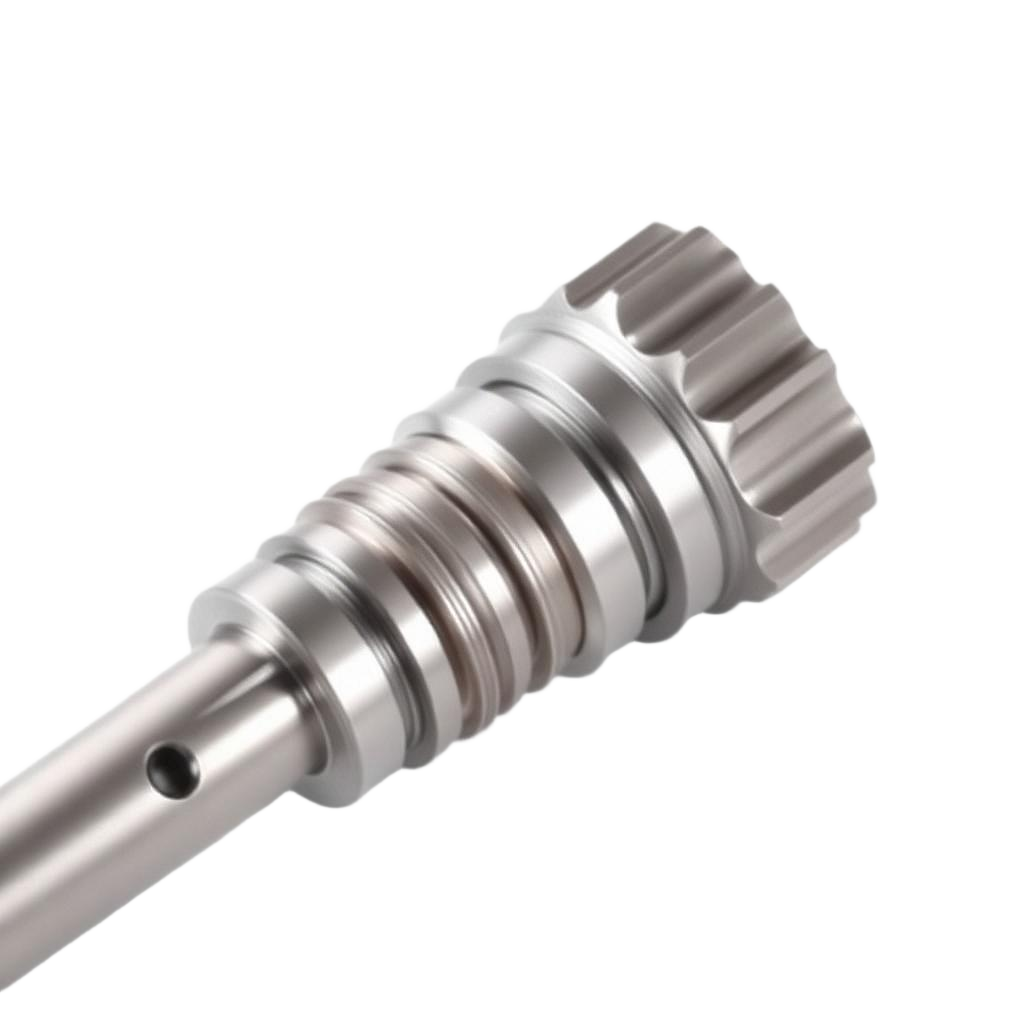
CNC Turning
Shafts, bushings, and hydraulic components requiring controlled diameters, concentricity, and surface finish.
TYPICAL ±0.0005"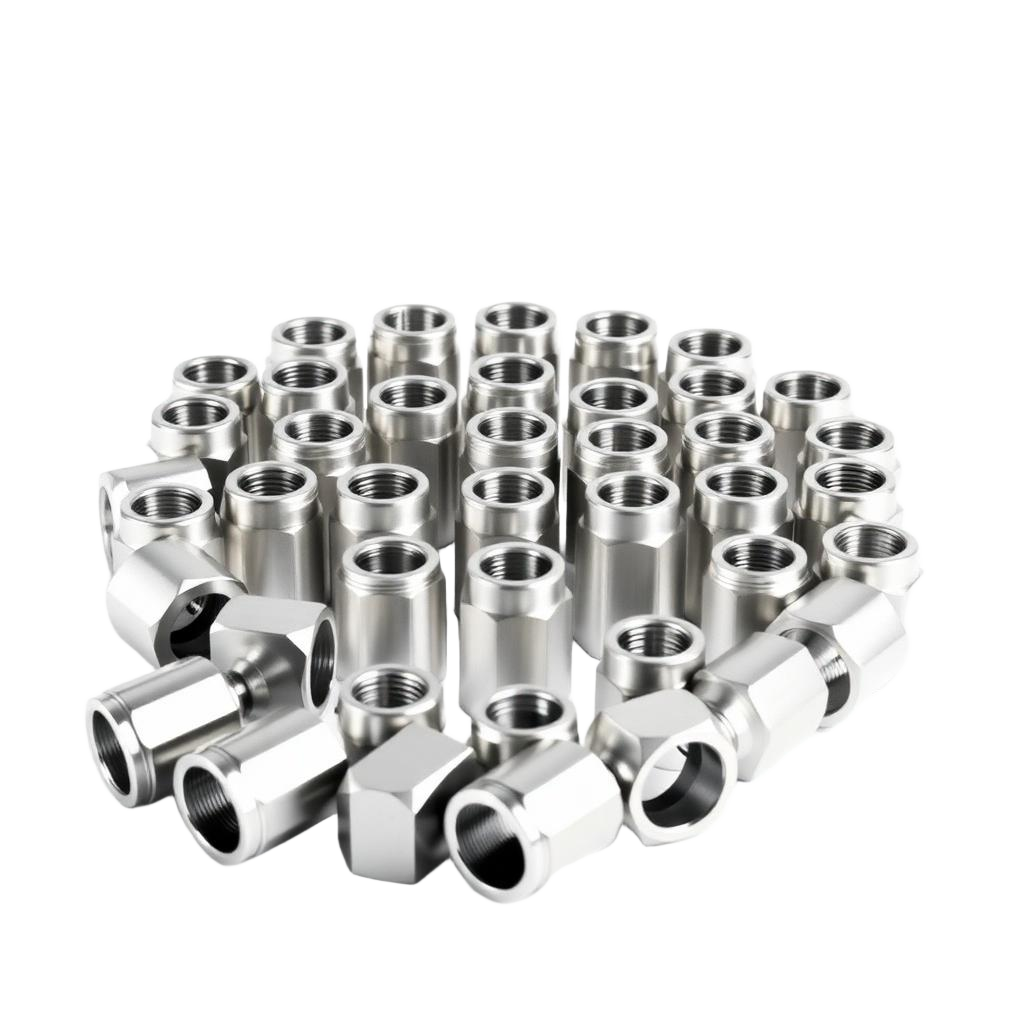
Production Machining
Recurring releases run from qualified setups, where predictable cost and on-time delivery matter more than peak capability.
TYPICAL ±0.001"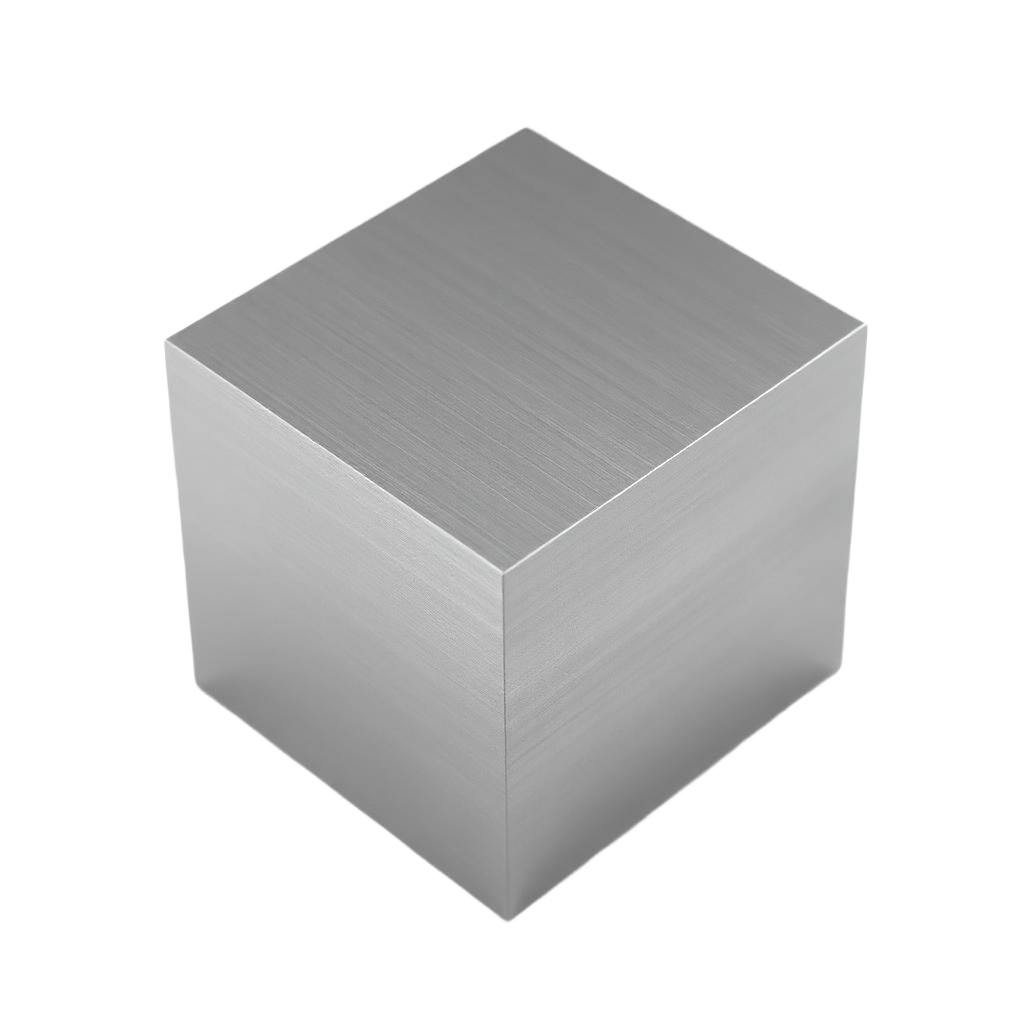
Surface Grinding
Flatness, parallelism, and finish on hardened wear surfaces and precision plates that milling alone won't hold.
TYPICAL ±0.0001" flatness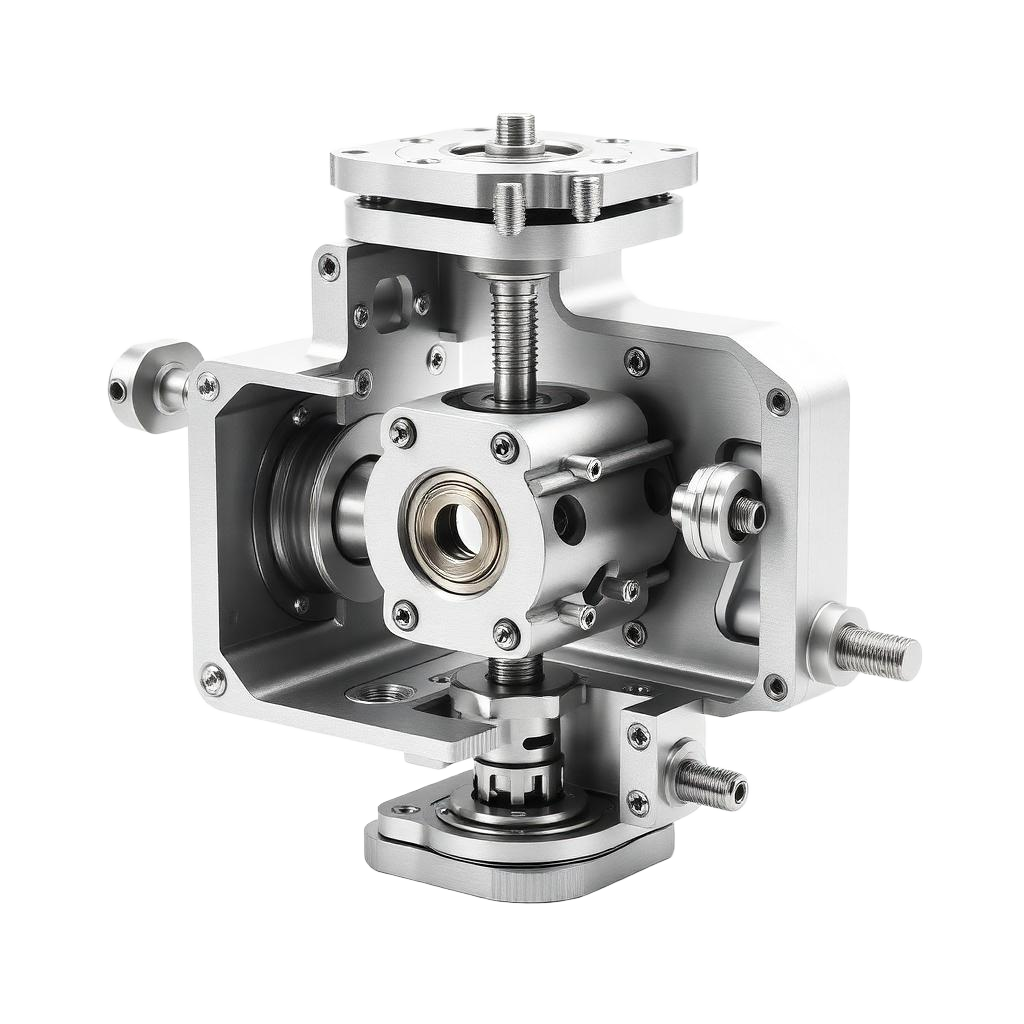
Assembly & Secondary Operations
Secondary operations and light assembly so kits arrive build-ready instead of as loose part numbers.
TYPICAL Per drawingMaterials for industrial equipment work, and why they're specified.
Stocked or sourced from certified mill stock, with material certifications and heat / lot traceability available on request. Each material links to grades, machining notes, and typical applications.
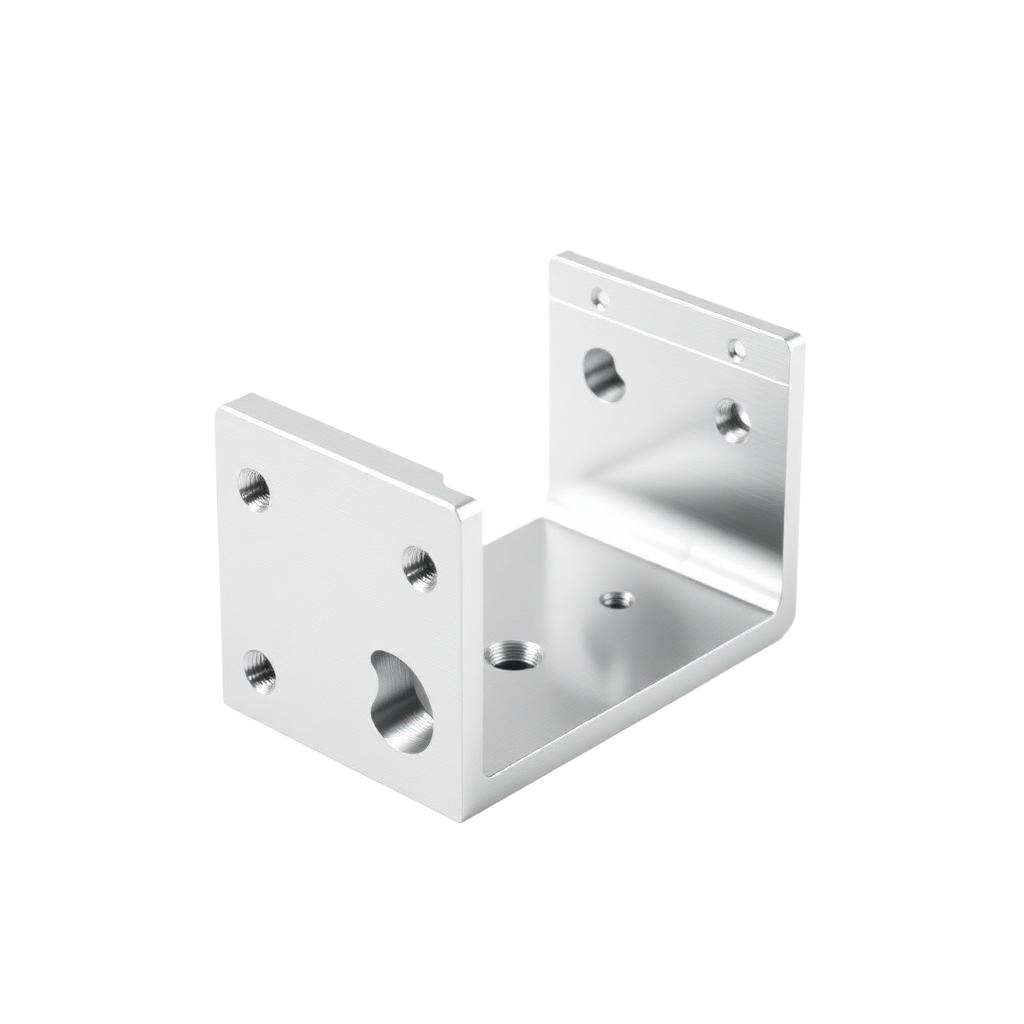
Aluminum
6061 keeps housings and non-loaded structure light and inexpensive to machine, which matters on components produced in recurring quantities.
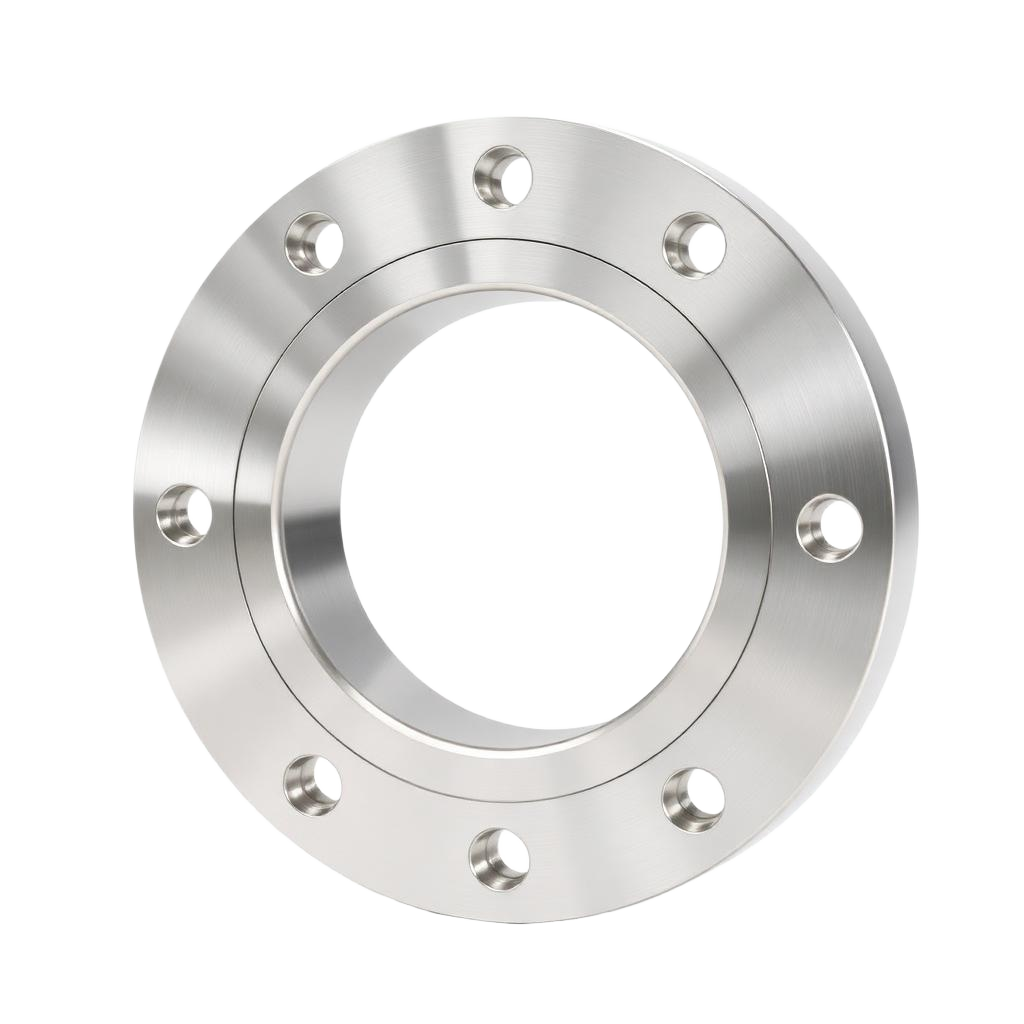
Stainless Steel
304 and 316 handle corrosive and washdown-adjacent service; 17-4 PH is used where hardened strength is required.
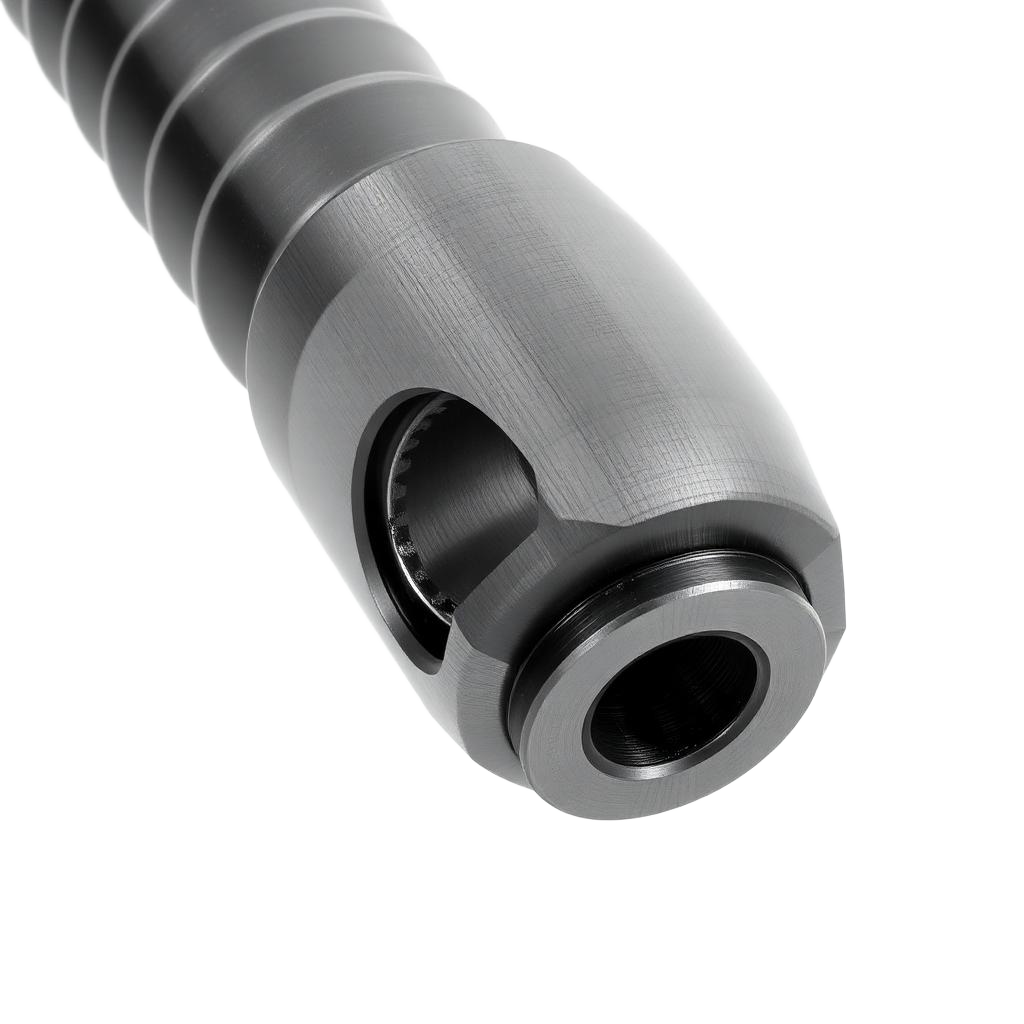
Carbon Steel 1018 / 4140
1018 and 4140 provide strength and toughness at lower cost for shafts, frames, and load-bearing hardware, with 4140 where heat-treated strength is specified.
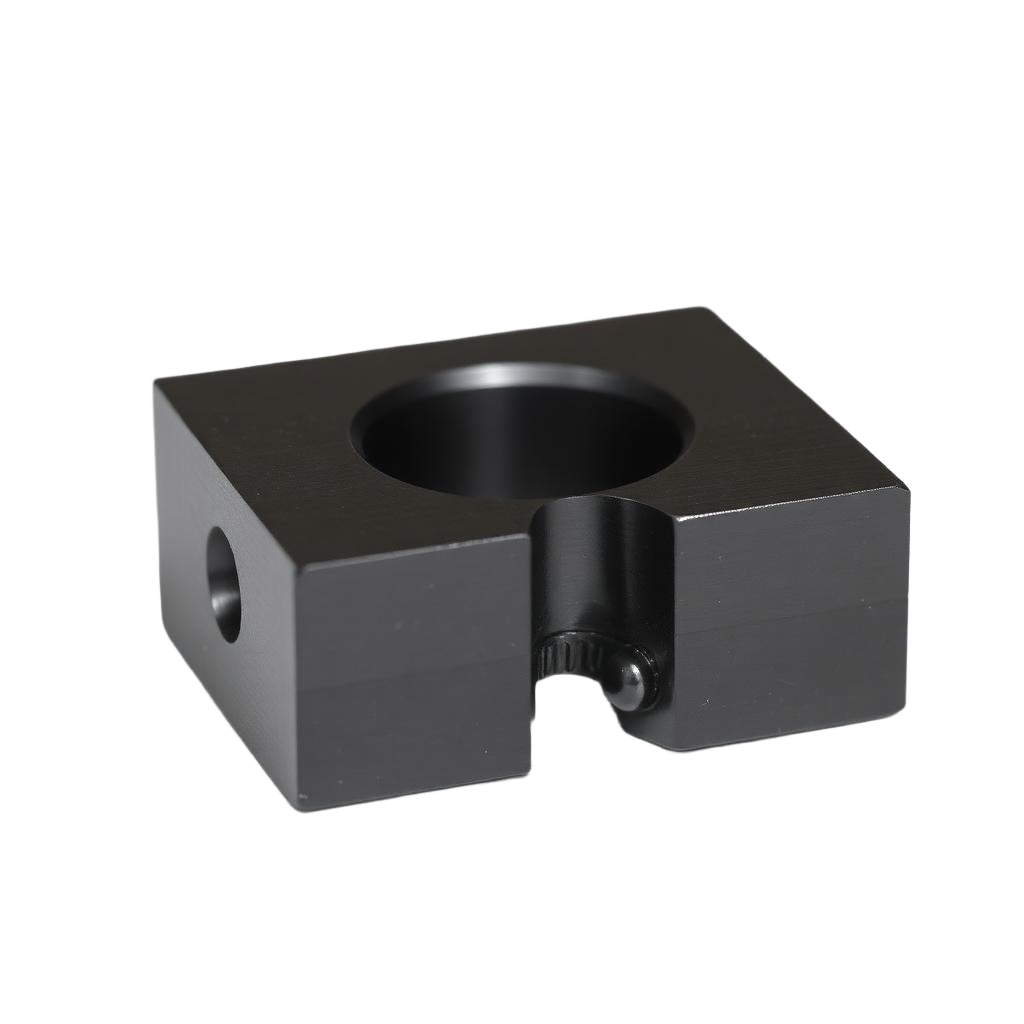
Tool Steel
A2, D2, and O1 supply the wear resistance and dimensional stability required for fixturing, dies, and hard-wearing mechanism components.
Quality measures on industrial equipment work.
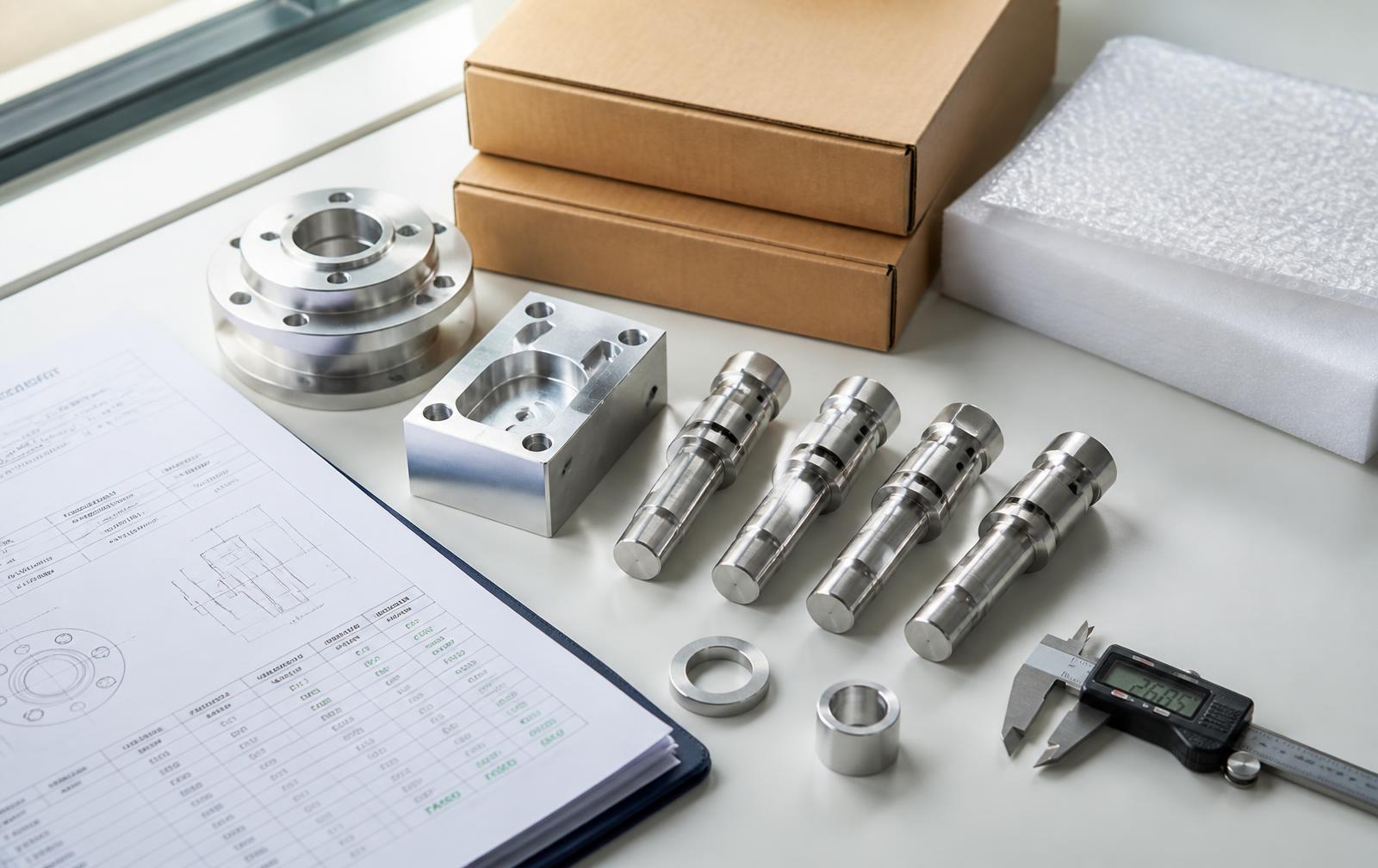
Inspection and documentation are part of the job, not an add-on. What travels with a shipment depends on what the program flows down.
- Dimensional inspection
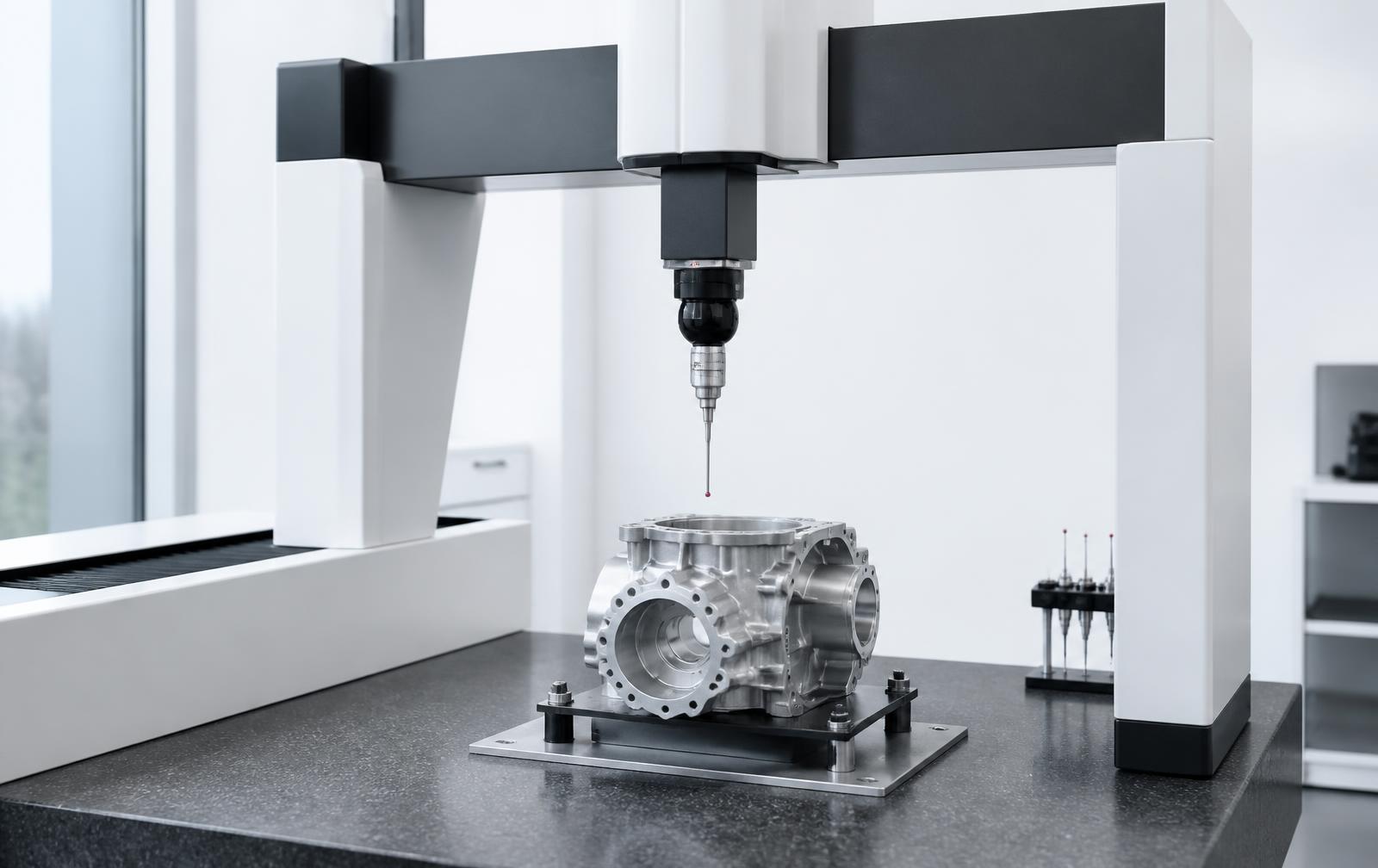
- CMM and hand-gauge inspection on the features identified as critical.
- First Article Inspection
- FAI documentation on new part numbers when specified.
- Material certifications
- Certified mill stock with heat and lot traceability on request.
- Certificate of Conformance
- Issued with every shipment.
- Inspection reports
- In-process and final dimensional reports supplied on request.
- Process control
- Documented setups and retained programs so long-running releases repeat.
- Calibration controls
- Metrology maintained on a documented calibration schedule.
- ISO 9001:2015 + AS9100D
- Quality management system maintained to both standards.
Metrology on site: Zeiss Contura CMM, FARO measurement arm, Mitutoyo Surftest surface profilometer, and optical comparator and vision measurement.
Quality & Inspection
How inspection, documentation, and process control are run on every job.
First Article Inspection
AS9102-format First Article Inspection documentation when the program requires it.
Inspection Equipment
Zeiss Contura CMM, FARO measurement arm, and surface metrology.
Tolerance Standards
Tolerance capability by process, and how we review drawings at quoting.
From RFQ to repeat production.
What happens after an RFQ is submitted, from print review through repeat production.
- 01
RFQ review
Engineering reviews the print, CAD files, material callouts, tolerances, quantity, and documentation requirements. Quote turnaround is typically one business day.
- 02
Engineering / DFM review
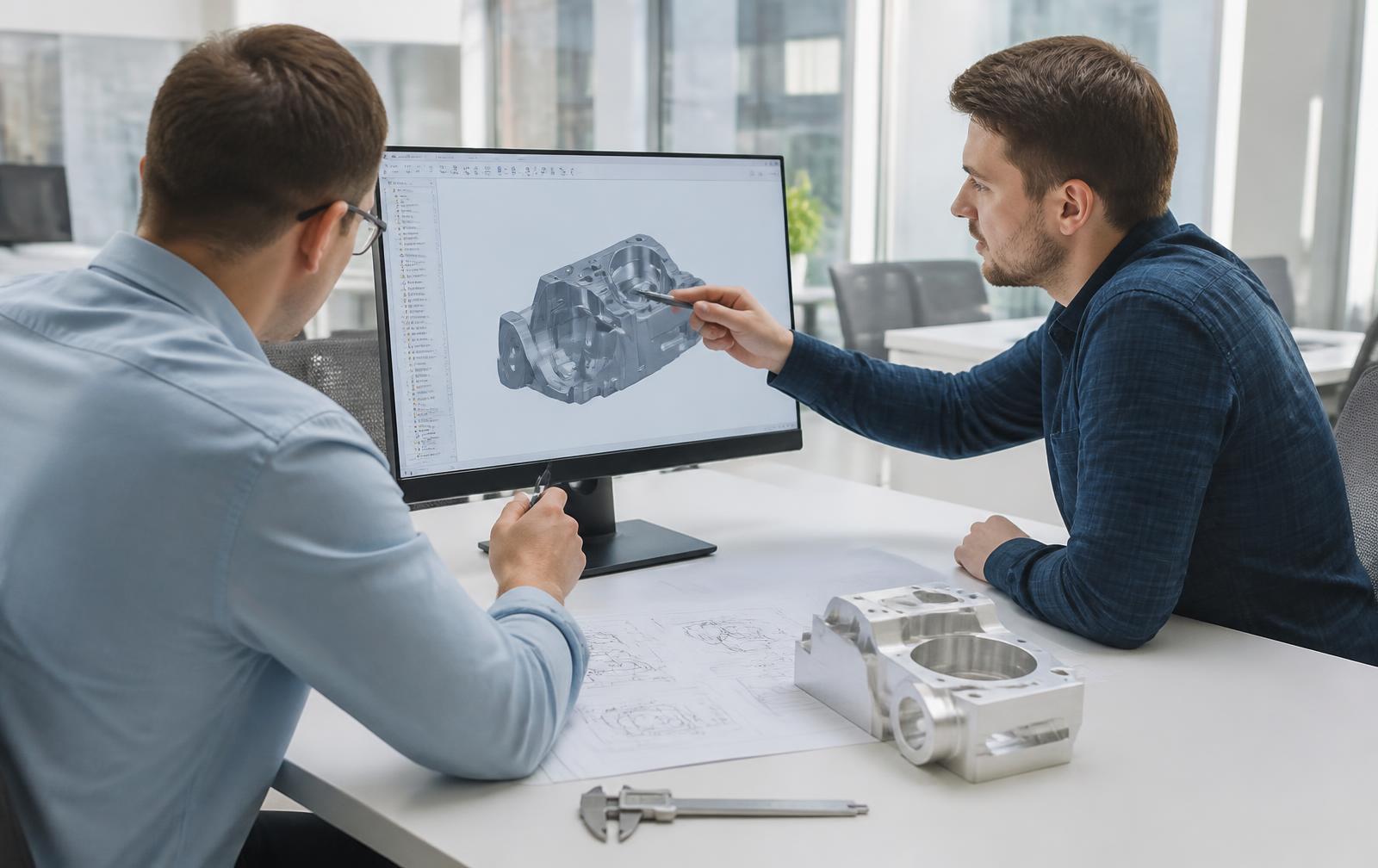
Manufacturability concerns and cost-reduction opportunities are identified before the job is released — tolerance stack-ups, fixturing, tool access, and finish callouts.
- 03
Production
Parts are machined in-house on the appropriate process: 3/4/5-axis milling, CNC and Swiss turning, wire EDM, or surface grinding, with secondary operations coordinated as needed.
- 04
Inspection & documentation
In-process and final inspection are performed to the drawing, with First Article Inspection, material certifications, and a Certificate of Conformance as the program requires.
- 05
Delivery & repeat production
Parts ship with the agreed documentation package. Qualified setups and inspection plans carry forward, so repeat releases run against a proven process.
Contract machining for industrial equipment programs
Industrial equipment programs are won and lost on predictability. The tolerances are often moderate, but the same part number may be released dozens of times over the life of a machine platform, and every release has to arrive on schedule at a cost that holds. That shifts the engineering effort from hitting a difficult number once to locking a process that produces the same result without re-learning the job.
Material and process selection follow the service condition. Aluminum for housings and light structure, carbon steels such as 1018 and 4140 for shafts and load-bearing hardware, stainless where corrosion or washdown exposure is present, and tool steel where wear governs life. Production machining and turning handle the bulk of recurring volume, with 5-axis reserved for geometry that would otherwise require multiple setups.
Legacy part numbers are a recurring theme. Prints are often old, revision history is incomplete, and the original supplier may be gone. Where drawings and material specifications are available, those parts can be re-established with documented setups and inspection — but reverse engineering from an unknown sample without material data is a different exercise, and one worth scoping honestly before a quote.
For procurement, documentation that fits an existing quality system is usually more valuable than the maximum available documentation. Inspection reports on critical features, certified material with traceability, and a Certificate of Conformance with each shipment cover most industrial flowdowns without adding cost that the program does not require.
Engineering resources for industrial equipment buyers.
Reference material relevant to industrial equipment part programs.
Additional engineering guides are in development.
Industrial Equipment — FAQs
The questions engineering and procurement teams ask most often before a first quote.
Do you support blanket POs?
Yes. Long-running OEM programs commonly run against blanket releases with scheduled deliveries.
Can you support reverse engineering of legacy parts?
When good drawings and material specs are available, yes. We do not perform metallurgical analysis on unknown samples.
How do you keep long-running part numbers consistent?
Setups, fixturing, and programs are documented and retained, so a release two years into a program runs against the same qualified process.
What documentation comes with a shipment?
A Certificate of Conformance is issued with every shipment. Material certifications and dimensional inspection reports are supplied on request or per the program requirement.
Do you machine hardened materials?
Yes. Tool steels and heat-treated components are handled with wire EDM and surface grinding where a rotating tool can't hold the requirement.
Can you handle both low-volume and recurring production?
Yes. Build-quantity lots and recurring scheduled releases are both routine, often on the same part numbers as a program matures.
Do you offer secondary operations and assembly?
Yes. Light mechanical assembly and secondary operations are available, with outside processes coordinated through qualified processors.
How quickly do you return quotes on multi-part packages?
Quote turnaround is typically one business day once prints, materials, and quantities are available for the package.
Start your next industrial equipment machining program.
Upload your CAD files or drawings and our engineering team will review the industrial equipment project requirements. Quote turnaround is typically one business day.