Tool Steel Surface Grinding
Surface grinding of hardened A2 and D2 tool steel to restore flatness, parallelism, and reference surfaces after heat treatment. Ground faces mate to downstream assemblies and hold surface finish targets on die and fixture details.
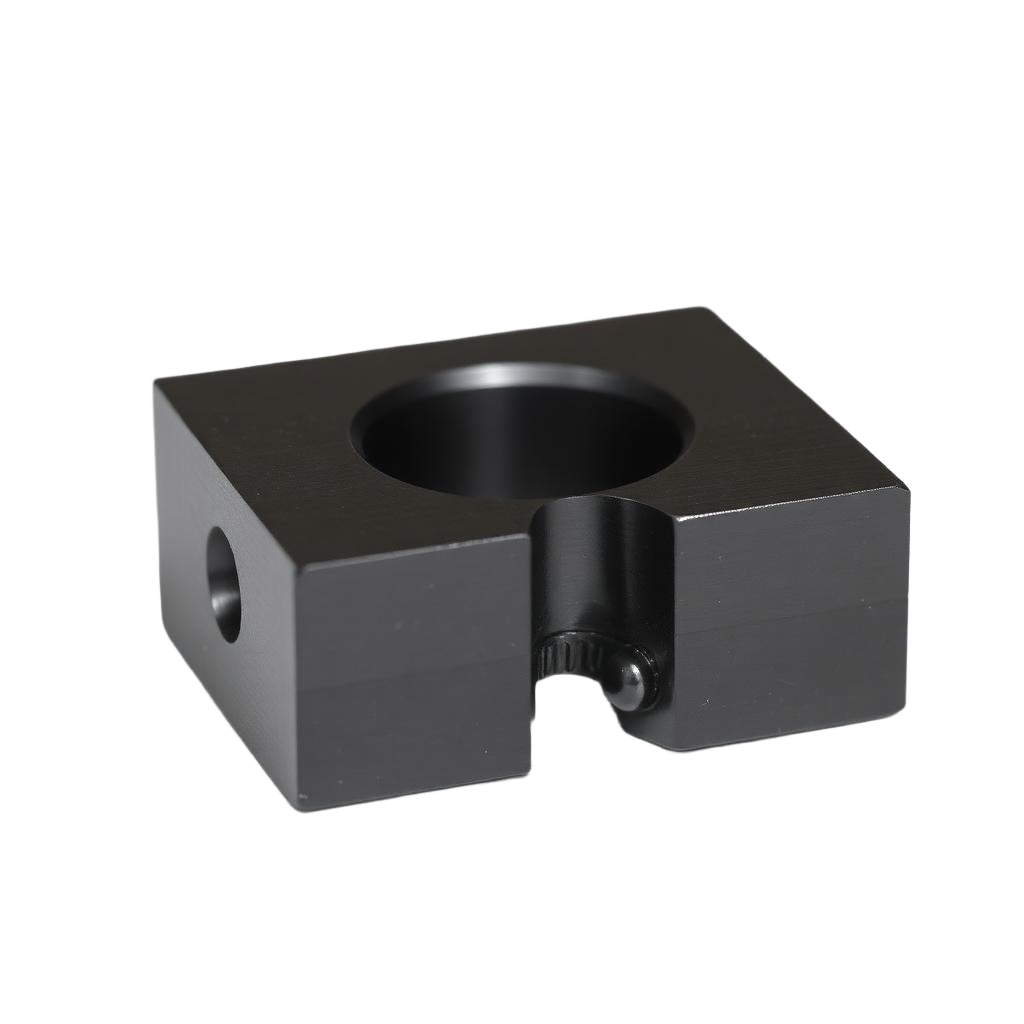
- Typical Tolerance
- ±0.0001" flatness
- Common Grades
- A2 · D2
- Production
- Finishing → Production support
- Machine Type
- Okamoto precision surface grinder
Why Tool Steel Is Suited to Surface Grinding
Surface Grinding fits tool steel workflows where soft-state machining, heat treatment, and hard finishing are sequenced deliberately. Stock is roughed and pre-finished before heat treat; hardened material is finished on EDM and grinding, keeping datums intact through the process chain.
Restores flatness and parallelism after heat-treat distortion
Controlled Ra on tooling wear and mating surfaces
Finishes hardened A2 and D2 without induced stress
Reference surfaces held to close tolerances for downstream assembly
Machining Tool Steel on Surface Grinding
In its annealed state, tool steel machines predictably with conventional carbide tooling. After heat treatment, hardness exceeds practical milling and turning ranges, so finishing operations shift to wire EDM and surface grinding. Sequence planning between soft-state machining, heat treat, and hard finishing is central to tolerance control.
Soft-state machining removes bulk material and roughs in features before heat treat.
Heat-treat distortion is anticipated and left for finishing operations to correct.
Wire EDM cuts profiles and internal features in fully hardened material without induced stress.
Surface grinding restores flatness, parallelism, and Ra targets after heat treat.
Tool Steel grades we machine
A2
Air-hardening tool steel with good toughness and dimensional stability through heat treat.
Typical uses · Punches, dies, precision fixturing, and general tooling details.
D2
High-carbon, high-chromium tool steel with strong wear resistance and edge retention.
Typical uses · Production dies, cutting tools, wear-critical fixturing.
Typical Tool Steel Components
Plate and Fixture Details
- Precision plates
- Fixture bases
- Reference details
Mating and Sealing Surfaces
- Sealing surfaces
- Mating faces
- Wear plates
Post-Heat-Treat Finishing
- Hardened tooling
- Die and punch faces
- Ground reference surfaces
Engineering Considerations for Tool Steel Surface Grinding
Part Geometry
- Sharp internal corners handled by wire EDM instead of milling
- Ground surfaces and reference features called out separately
- Datums preserved through heat treat where possible
Material Behavior
- Distortion during heat treat anticipated in stock allowance
- Hardness after heat treat limits finishing to EDM and grinding
- Grade selection between A2 and D2 driven by wear vs. toughness
Design and Tolerancing
- Tolerance split between soft-state and hard-finish operations
- Flatness and parallelism controlled by surface grinding
- Wire EDM tolerances tied to wire diameter and pass count
Production Planning
- Heat-treat vendor coordination and turnaround
- Sequence planning between milling, heat treat, EDM, and grinding
- Documentation across multiple operations and lots
Process Advantages for Tool Steel Surface Grinding
Close-tolerance flatness and parallelism on Tool Steel details
Controlled Ra on mating and sealing surfaces
Finishing operation after heat treat on hardened Tool Steel
Reference surfaces held for downstream assembly
Documented inspection on critical dimensions
Achievable tolerances and surface finishes
- Dimensional
- Typical ±0.0002"
- Flatness
- Flatness within 0.0001"–0.0005" on qualified surfaces
- Surface finish
- 8–32 Ra typical; finer finishes on request
Post-heat-treat finishing corrects for distortion. Achievable tolerances depend on part geometry, hardness, and fixture strategy.
Inspection and documentation
CMM and surface-plate verification on ground and EDM'd features
Optical comparator verification of profiles
Flatness and parallelism verification on ground details
Material certifications on A2 and D2 stock
First Article Inspection available on qualified programs
Related Manufacturing Resources
Tool Steel overview
Grades, considerations, and applications for tool steel.
Surface Grinding overview
Machines, envelopes, and tolerances for surface grinding.
Tool Steel CNC Milling
Soft-state milling roughs and pre-finishes features before heat treat.
Tool Steel Wire EDM
Cuts hardened A2 and D2 tool steel without induced stress.
Stainless Steel Surface Grinding
Close-tolerance flatness and parallelism on stainless plates and details.
Surface Grinding for Industrial Equipment
Surface Grinding applied to industrial equipment programs with documented inspection.
Surface Grinding for Aerospace
Surface Grinding applied to aerospace programs with documented inspection.
Surface Grinding for Defense
Surface Grinding applied to defense programs with documented inspection.
Tolerance standards
Typical process ranges by feature type.
Tool Steel Surface Grinding — FAQs
The questions engineering and procurement teams ask most often before a first quote.
What tool steel grades can Northline machine with Surface Grinding?
We routinely machine A2, D2 on Surface Grinding for prototype and production programs. Additional grades can be sourced for qualified programs — discuss requirements at RFQ.
What tolerances are typical for Tool Steel Surface Grinding?
Typical ±0.0002". Post-heat-treat finishing corrects for distortion. Achievable tolerances depend on part geometry, hardness, and fixture strategy.
Is Tool Steel suitable for Surface Grinding?
Yes. Soft-state tool steel is machined conventionally; hardened A2 and D2 are finished on Wire EDM and surface grinding. Sequence planning between operations is central to holding tolerance.
Can you provide material certifications for tool steel?
Yes. Material certifications with traceability to certified mill stock are available for Tool Steel on request. Confirm documentation requirements at RFQ.
Do you support both prototype and repeat production runs?
Yes. Prototypes are programmed, fixtured, and inspected the same way production parts are, which keeps the path to a qualified tool steel production program short and predictable.
Ready to discuss your tool steel machining project?
Upload your CAD files or drawings and our engineering team will review the project requirements.