Aluminum 5-Axis Milling
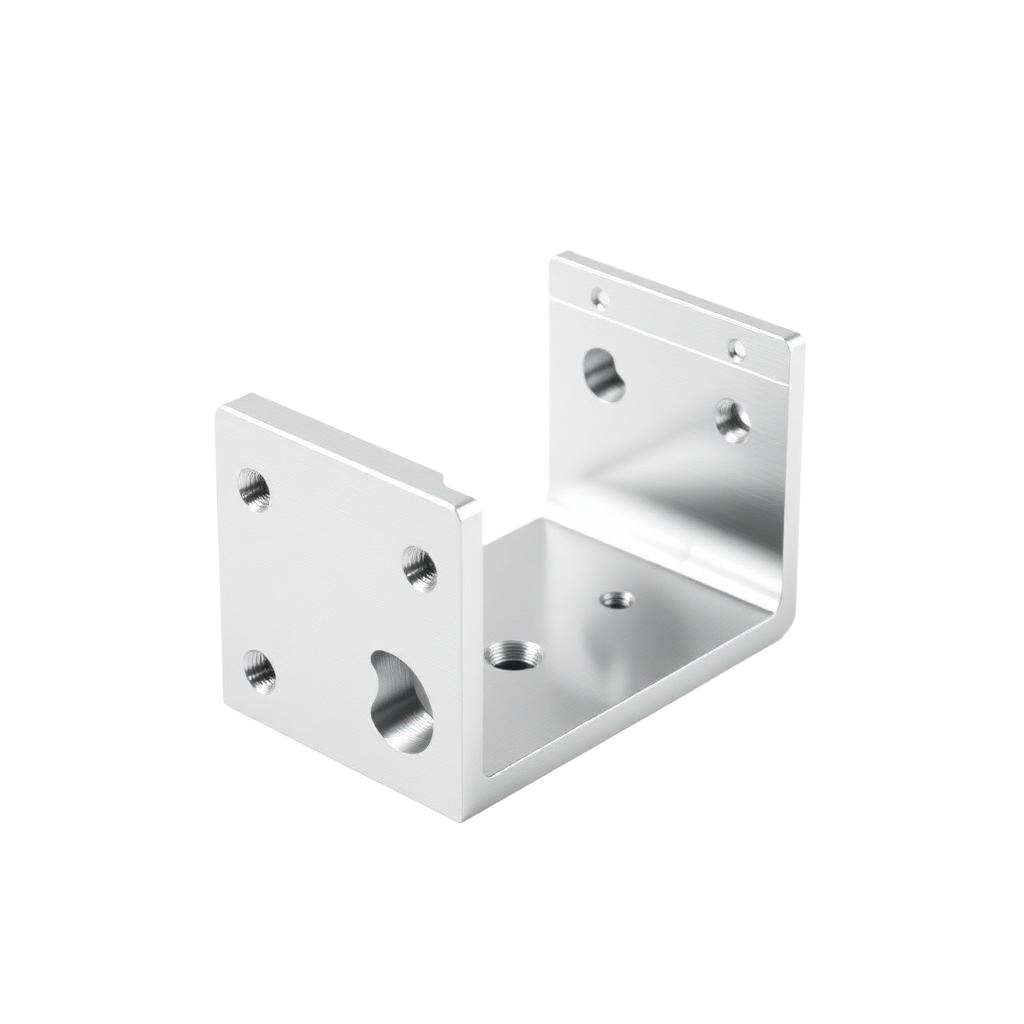
Precision 5-axis milling of aluminum housings, brackets, manifolds, and structural components where multi-sided geometry, weight, and dimensional repeatability across sides are critical. Northline supports prototype and repeat OEM production with documented inspection and material traceability.
- Typical Tolerance
- ±0.0005"
- Common Grades
- 6061-T6 · 7075-T651 · 2024-T3
- Production
- Prototype → Repeat Production
- Machine Type
- Haas UMC-750 5-axis machining center
Why Aluminum Is Suited to 5-Axis Milling
5-Axis Milling is well suited to aluminum because the alloy's excellent machinability allows aggressive toolpaths and high spindle speeds while maintaining tight positional accuracy. Thermal conductivity carries heat out with the chip, protecting cutting edges and finish quality on structural and cosmetic surfaces.
Aluminum contoured and multi-sided components produced in one setup
Fewer fixtures reduce stack-up on complex geometry
High-speed 5-axis toolpaths capitalize on aluminum removal rates
Tighter feature-to-feature control across sides
Machining Aluminum on 5-Axis Milling
Aluminum is one of the most machinable metals, but predictable results still depend on aggressive chip evacuation, controlled built-up edge on softer alloys, and stable workholding on thin sections. High spindle speeds and sharp tooling produce excellent surface finishes when coolant strategy and fixturing are matched to the geometry.
Aggressive chip evacuation prevents recutting and finish defects.
Sharp, polished cutting edges reduce built-up edge on softer alloys such as 6061.
Thin walls and unsupported features require rigidity strategies and staged toolpaths to control distortion.
Anodize-quality surface finishes are achievable with the right tool geometry and feed strategy.
Aluminum grades we machine
6061-T6
General-purpose alloy with strong machinability, weldability, and corrosion resistance.
Typical uses · Structural brackets, housings, plates, and fixturing.
7075-T651
High strength-to-weight alloy with reduced corrosion resistance, common in aerospace structural work.
Typical uses · Aerospace structural components and high-load brackets.
2024-T3
Fatigue-resistant alloy widely used in aerospace skins and load-bearing details.
Typical uses · Aerospace structural details and airframe components.
Typical Aluminum Components
Complex Housings
- Multi-sided housings
- Impeller bodies
- Contoured brackets
Aerospace and Medical
- Structural brackets
- Instrument bodies
- Actuator housings
Turbomachinery and Motion
- Impellers
- Vaned components
- Motion mechanisms
Engineering Considerations for Aluminum 5-Axis Milling
Part Geometry
- Thin walls and floor thicknesses driven by fixturing strategy
- Pocket depth-to-width ratios that keep tools rigid
- Feature access considered up front on multi-sided parts
Material Behavior
- Distortion on long, thin plates and machined pockets
- Built-up edge on softer 6061 stock under wrong feeds
- Grain direction on 7075 for fatigue-sensitive parts
Design and Tolerancing
- Realistic tolerance allocation between features
- Datum strategy that follows fixturing surfaces
- Anodize allowance called out on plated dimensions
Production Planning
- Raw stock availability across 6061, 7075, and 2024
- Fixture reuse across prototype and production
- Downstream anodize or chromate coordination
Process Advantages for Aluminum 5-Axis Milling
Complex Aluminum geometries produced in a single setup
Fewer fixtures reduce tolerance stack-up on multi-sided parts
3+2 indexing balances rigidity and tool engagement
Shorter cumulative lead times across prototype and production
Repeatable production of contoured Aluminum surfaces
Achievable tolerances and surface finishes
- Dimensional
- Typical ±0.0005"–±0.001" across sides
- Flatness
- Flatness within a few thousandths on machined surfaces
- Surface finish
- 63 Ra typical off the tool
5-axis reduces stack-up across sides; specific tolerances are confirmed against geometry, material, and inspection plan.
Inspection and documentation
CMM dimensional verification on critical features
Surface finish measurement on anodize- and plating-critical faces
Material certifications available on 6061, 7075, and 2024
First Article Inspection available on qualified programs
Certificate of Conformance on request
Related Manufacturing Resources
Aluminum overview
Grades, considerations, and applications for aluminum.
5-Axis Milling overview
Machines, envelopes, and tolerances for 5-axis milling.
Aluminum CNC Milling
Efficient production of aluminum brackets, plates, and housings.
Aluminum CNC Turning
Efficient production of rotational aluminum components.
Aluminum Swiss Turning
Small-diameter aluminum components with tight tolerances.
Stainless Steel 5-Axis Milling
Complex stainless components produced in a single setup.
Titanium 5-Axis Milling
Complex titanium geometries produced in a single controlled setup.
Inconel 5-Axis Milling
Complex Inconel geometries produced in a single setup.
5-Axis Milling for Aerospace
5-Axis Milling applied to aerospace programs with documented inspection.
Aluminum 5-Axis Milling — FAQs
The questions engineering and procurement teams ask most often before a first quote.
What aluminum grades can Northline machine with 5-Axis Milling?
We routinely machine 6061-T6, 7075-T651, 2024-T3 on 5-Axis Milling for prototype and production programs. Additional grades can be sourced for qualified programs — discuss requirements at RFQ.
What tolerances are typical for Aluminum 5-Axis Milling?
Typical ±0.0005"–±0.001" across sides. 5-axis reduces stack-up across sides; specific tolerances are confirmed against geometry, material, and inspection plan.
Is Aluminum suitable for 5-Axis Milling?
Yes. Aluminum's high machinability and thermal conductivity make it well matched to 5-Axis Milling, especially where cycle time and repeatable feature accuracy drive part cost.
Can you provide material certifications for aluminum?
Yes. Material certifications with traceability to certified mill stock are available for Aluminum on request. Confirm documentation requirements at RFQ.
Do you support both prototype and repeat production runs?
Yes. Prototypes are programmed, fixtured, and inspected the same way production parts are, which keeps the path to a qualified aluminum production program short and predictable.
Ready to discuss your aluminum machining project?
Upload your CAD files or drawings and our engineering team will review the project requirements.