Corrosion-resistant machined components for packaging and food processing equipment.
Stainless and engineering-plastic components built for caustic washdown and high-cycle service, with cleanable geometry reviewed at DFM, certified material on request, and change parts remade quickly when a line is down.
ISO 9001:2015 | AS9100D | ITAR Registered
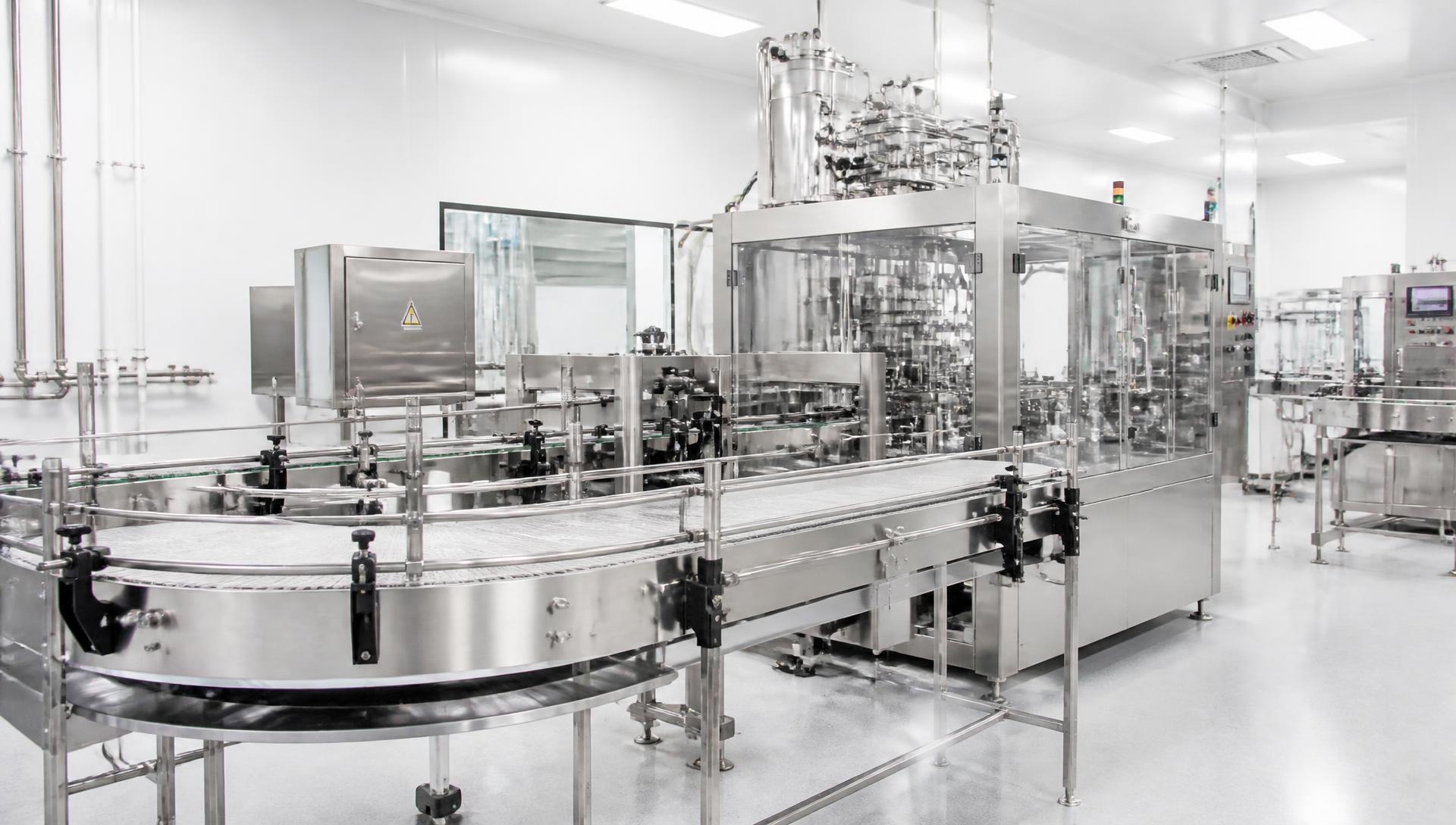
How we support packaging & food processing programs.
Packaging and food processing equipment builders specify corrosion-resistant stainless, cleanable washdown geometry, and repeatable production tied to equipment build schedules, with material certifications available on request.
Equipment build components
Machined structural, mechanism, and contact components released against equipment build schedules.
Replacement and wear parts
Change parts and wear items remade to existing prints for installed lines.
Repeat production programs
Recurring releases of the same part numbers from controlled setups as equipment platforms are duplicated.
Engineering support on cleanable design
DFM review on geometry, radii, and finish callouts that affect cleanability and washdown performance.
Program requirements
Equipment builders in this market typically specify:
- Corrosion-resistant materials — 316 where chloride and cleaning chemistry would pit 304, with certs on request.
- Cleanable geometry — radii over sharp internal corners and avoided crevices on product-contact surfaces.
- Surface finish control — finish callouts on contact and sealing faces verified by profilometry.
- Repeatable production — recurring part numbers run from controlled setups as equipment platforms are duplicated.
- Change-part availability — wear items and change parts remade to print from retained setups.
- Documented inspection — verification of the features identified as critical, with reports on request.
Components we machine for packaging & food processing programs.
Representative part types, based on the processes and materials we run in-house. Illustrative of our capability set rather than a record of specific customer programs.
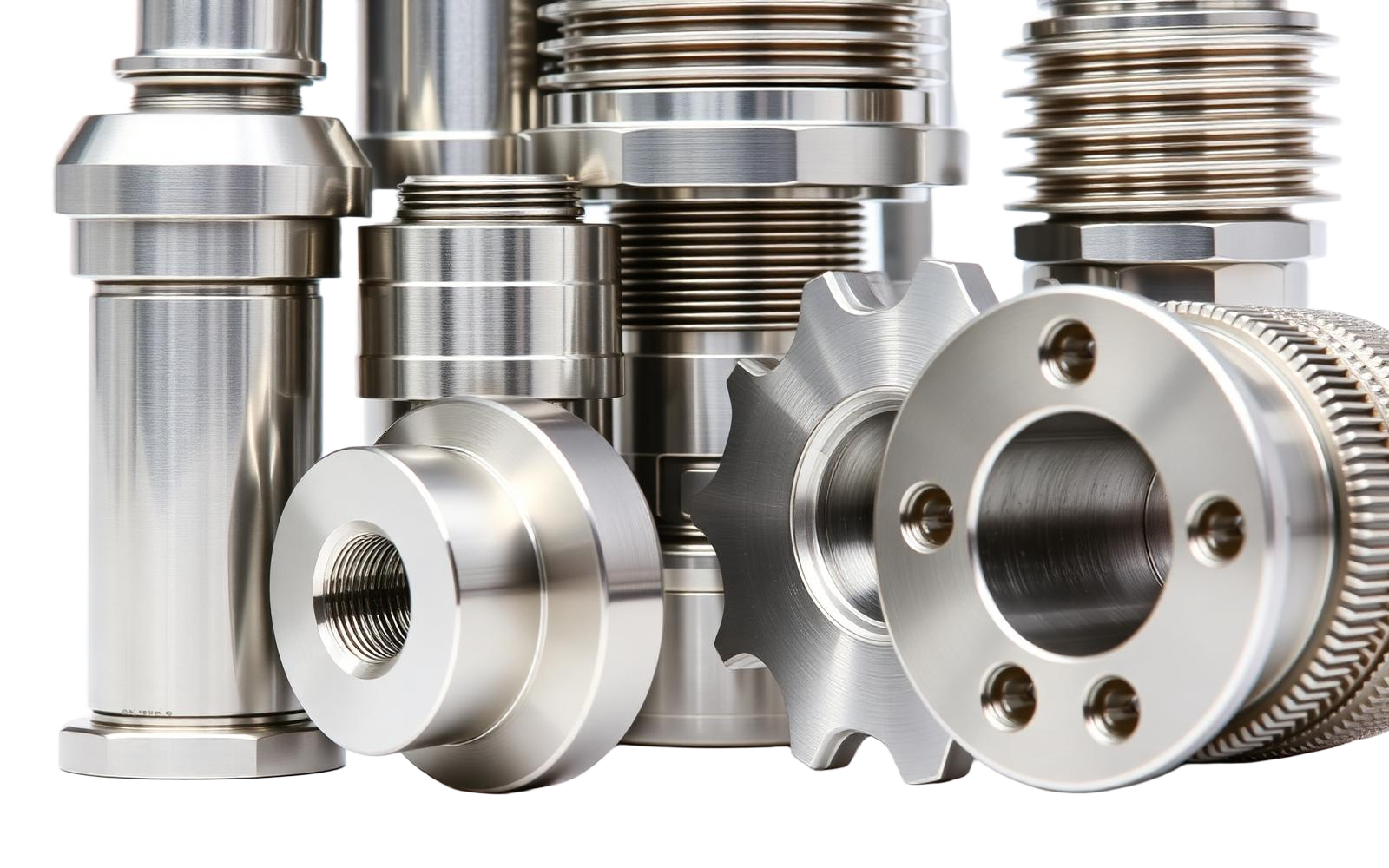
Equipment frames and structural components
Filler and dispenser components
Conveyor and mechanism hardware
Replacement tooling
Capabilities for packaging & food processing programs.
The processes most often applied to packaging & food processing work, each with its own capability detail page.
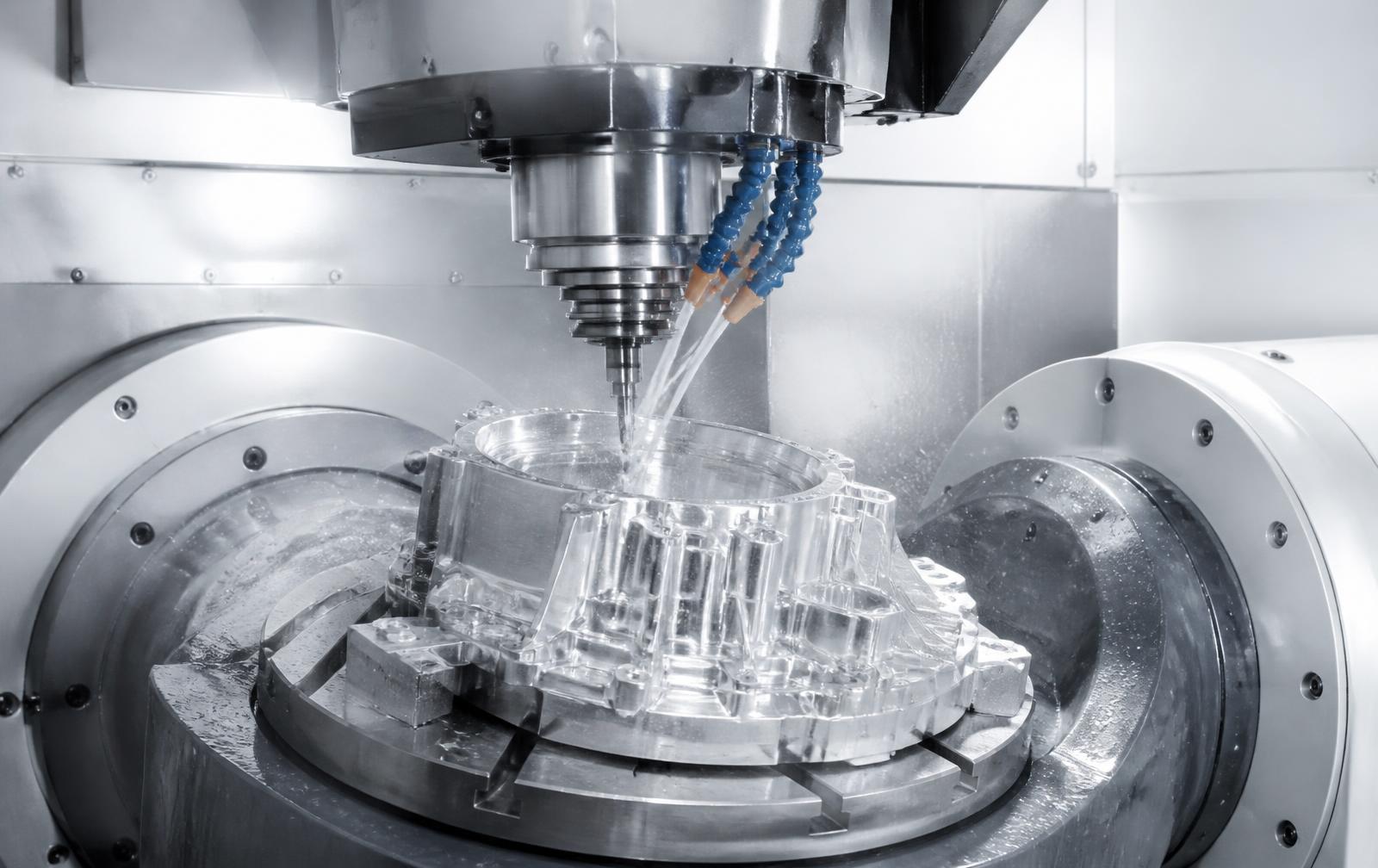
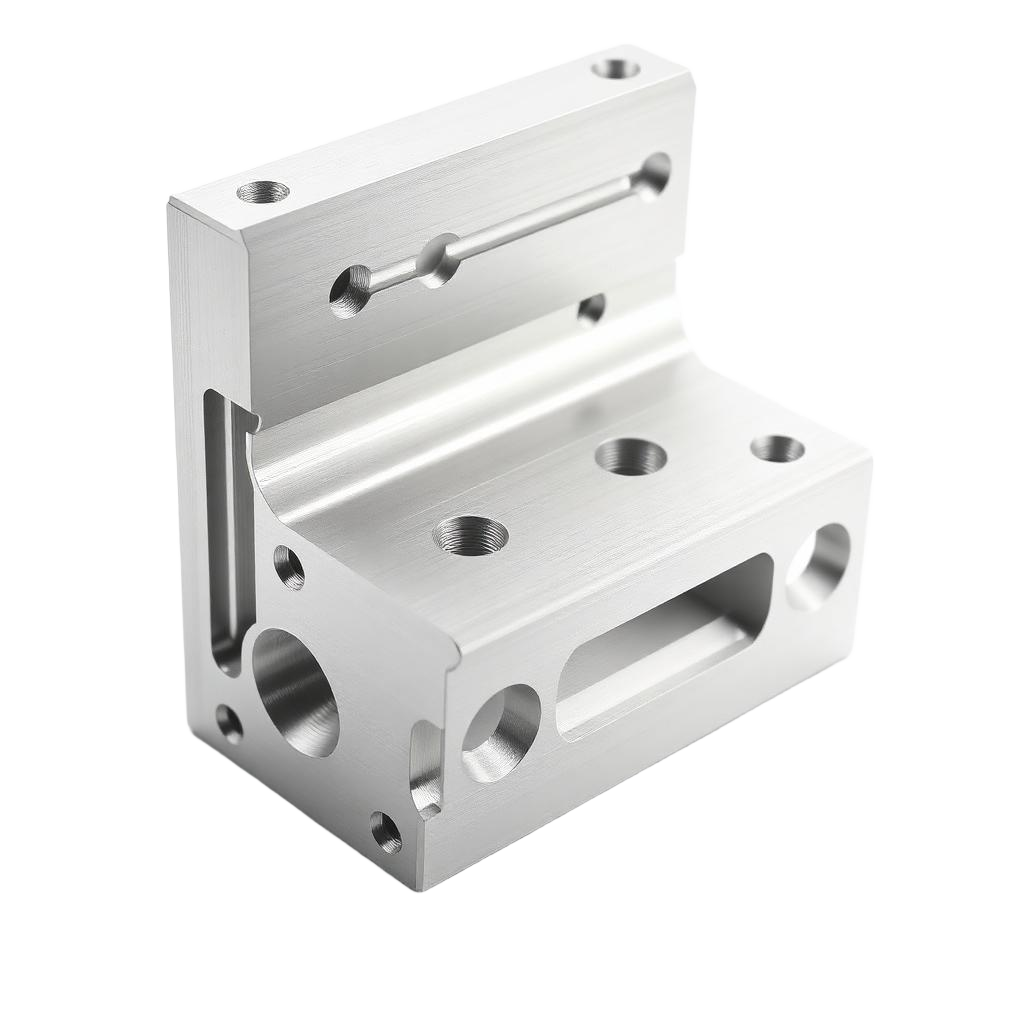
CNC Milling
Frames, guarding, mechanism plates, and change parts in stainless and engineering plastics for washdown service.
TYPICAL ±0.001"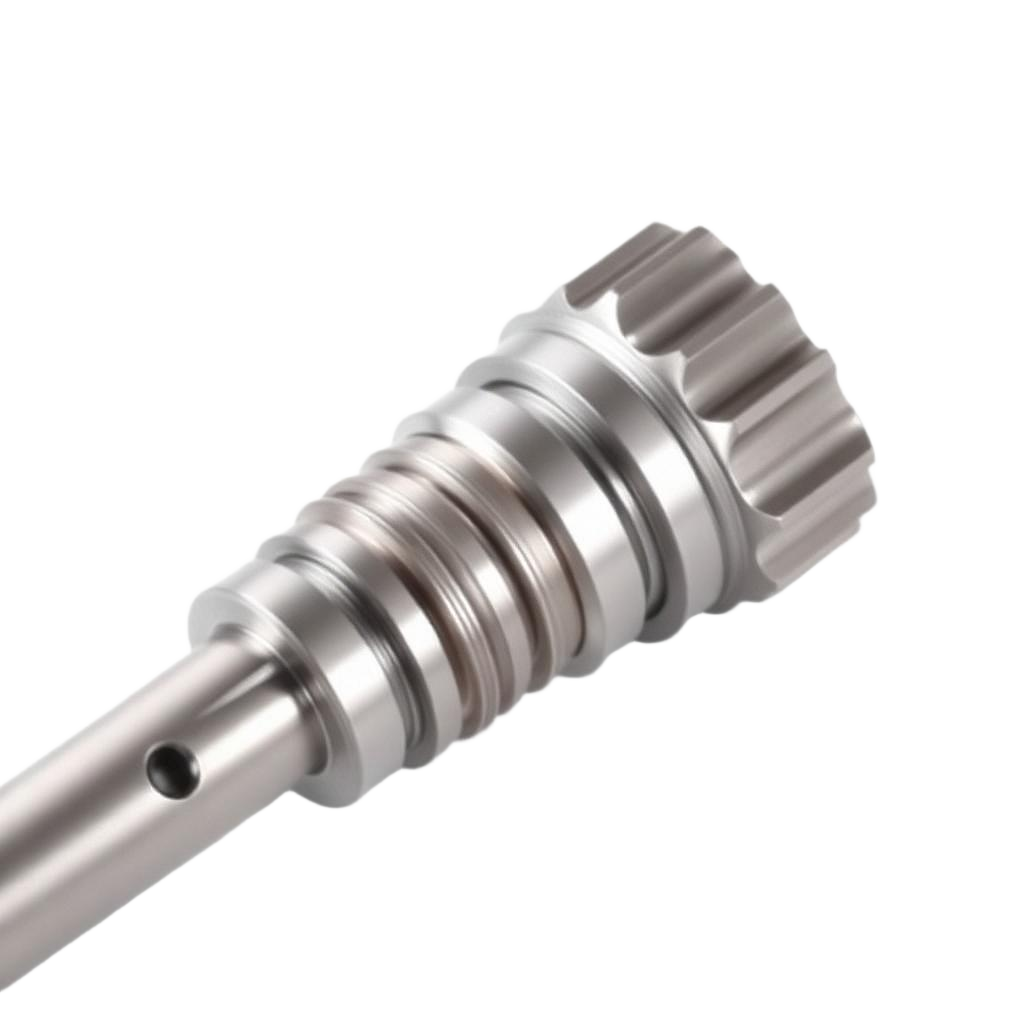
CNC Turning
Rollers, shafts, star wheels, and filler components requiring controlled diameters, concentricity, and clean finishes.
TYPICAL ±0.0005"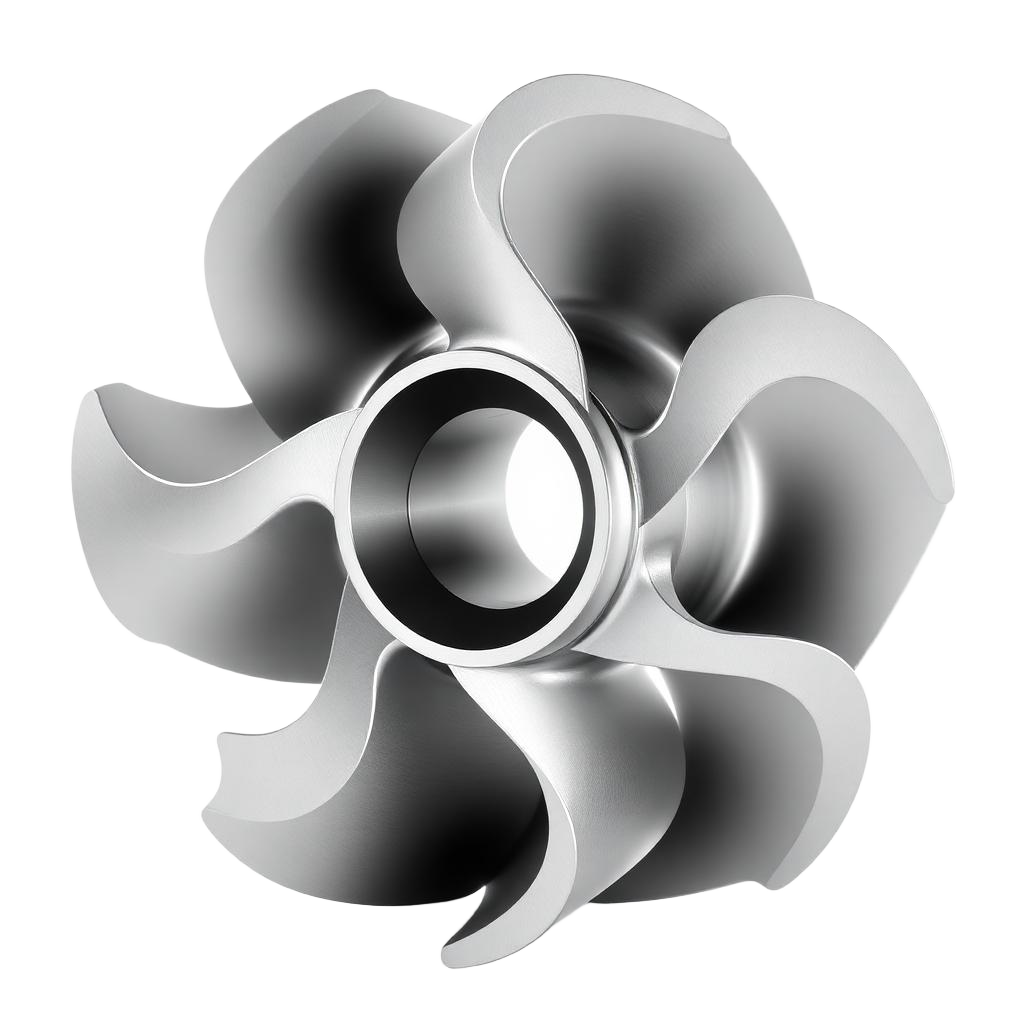
5-Axis Milling
Formers and contoured contact geometry machined in fewer setups, holding blended surfaces that stay cleanable.
TYPICAL ±0.0005"Materials for packaging & food processing work, and why they're specified.
Stocked or sourced from certified mill stock, with material certifications and heat / lot traceability available on request. Each material links to grades, machining notes, and typical applications.
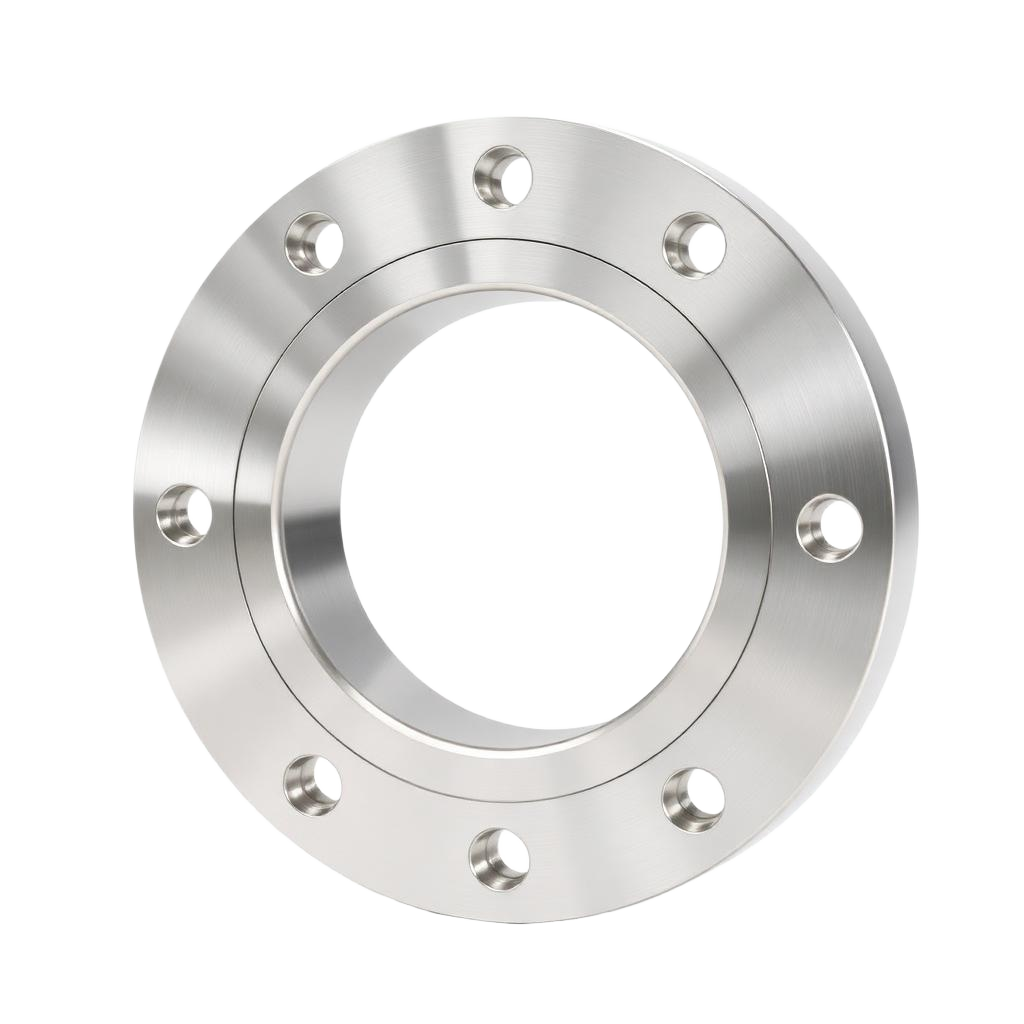
Stainless 304 / 316
304 and 316 are the backbone of washdown and food-adjacent equipment: 316 adds chloride and cleaning-chemical resistance where 304 would pit, and both take the smooth finishes cleanable surfaces require.
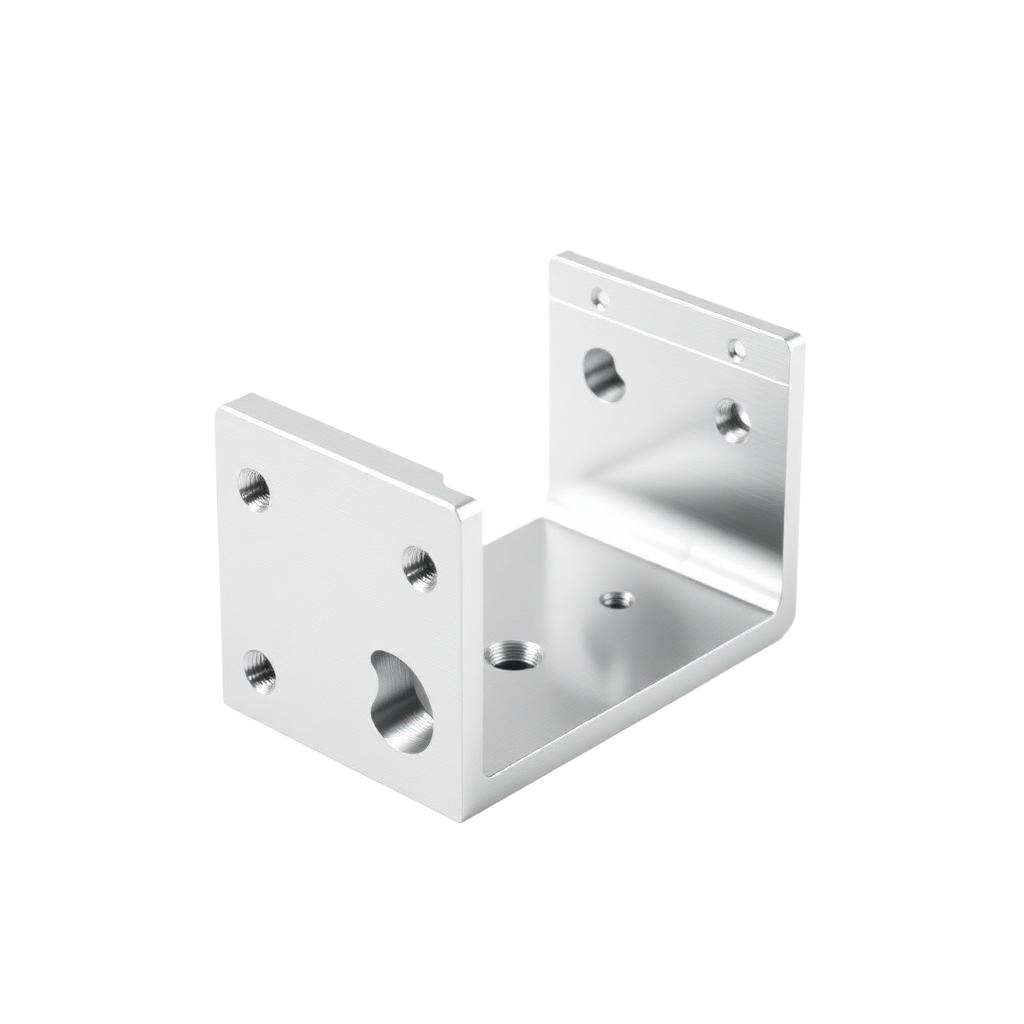
Aluminum
6061 keeps guarding, frames, and non-contact structure light and economical where corrosive exposure is limited.
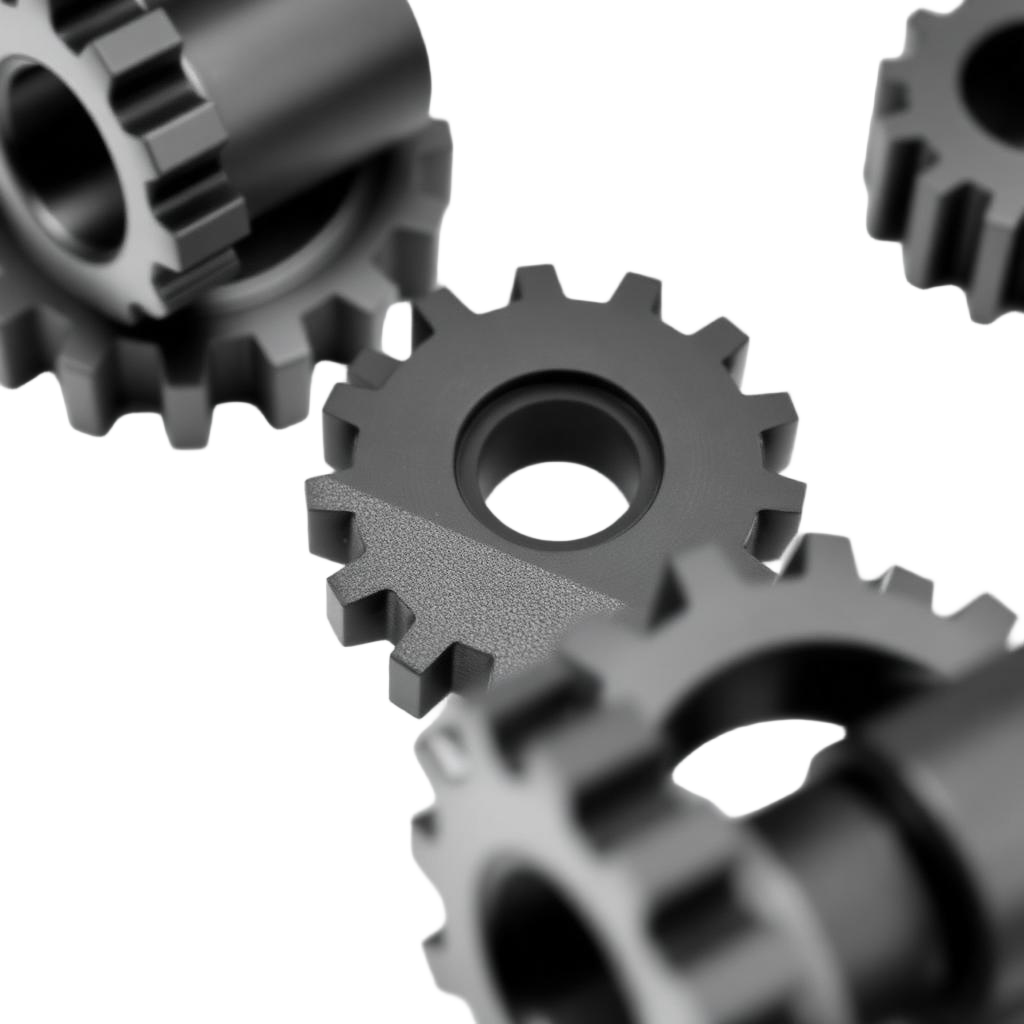
Engineering Plastics (PEEK, Delrin, PTFE)
PEEK, Delrin, and PTFE provide low-friction, non-marring product contact and wear surfaces on conveyors, guides, and change parts.
Quality measures on packaging & food processing work.
Inspection and documentation are part of the job, not an add-on. What travels with a shipment depends on what the program flows down.
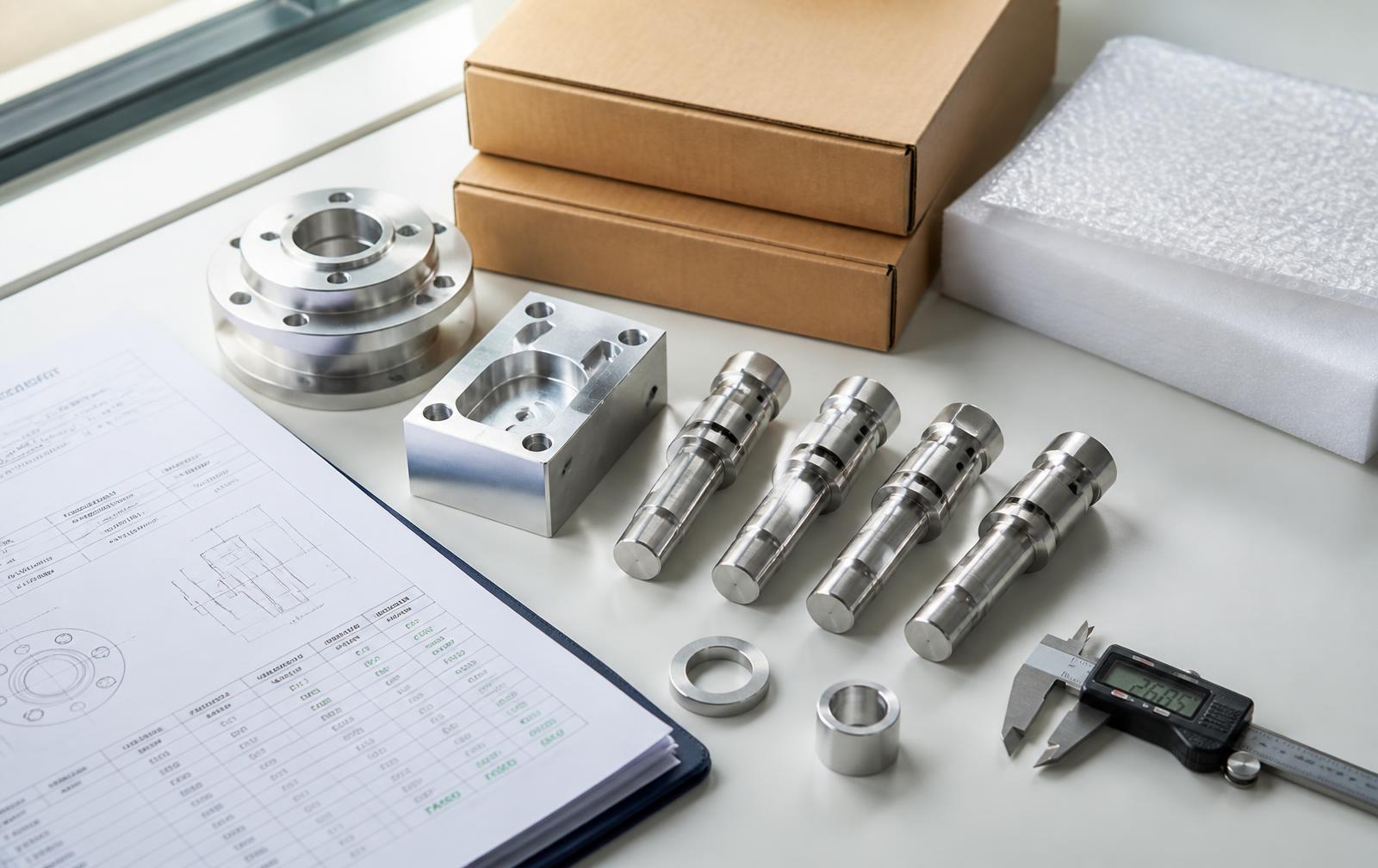
- Material certifications
- Certified stainless stock with heat and lot traceability on request.
- Dimensional inspection
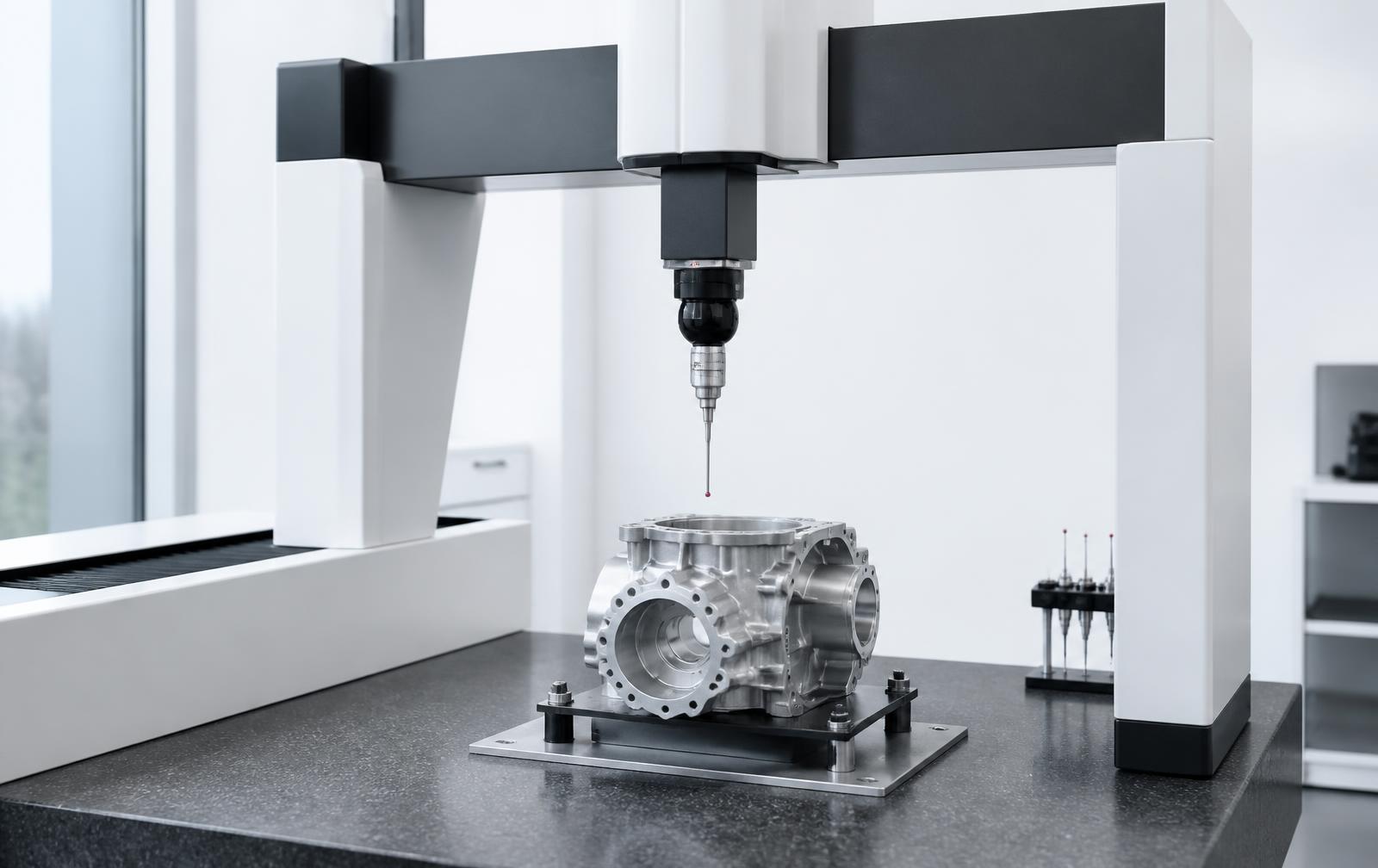
- CMM and hand-gauge inspection on the features identified as critical.
- Surface finish verification
- Profilometry against drawing finish callouts on cleanable and sealing surfaces.
- First Article Inspection
- FAI documentation on new part numbers when specified.
- Certificate of Conformance
- Issued with every shipment.
- Inspection reports
- Final dimensional reports supplied on request.
- Calibration controls
- Metrology maintained on a documented calibration schedule.
- ISO 9001:2015 + AS9100D
- Quality management system maintained to both standards.
Metrology on site: Zeiss Contura CMM, FARO measurement arm, Mitutoyo Surftest surface profilometer, and optical comparator and vision measurement.
Quality & Inspection
How inspection, documentation, and process control are run on every job.
First Article Inspection
AS9102-format First Article Inspection documentation when the program requires it.
Inspection Equipment
Zeiss Contura CMM, FARO measurement arm, and surface metrology.
Tolerance Standards
Tolerance capability by process, and how we review drawings at quoting.
From RFQ to repeat production.
What happens after an RFQ is submitted, from print review through repeat production.
- 01
RFQ review
Engineering reviews the print, CAD files, material callouts, tolerances, quantity, and documentation requirements. Quote turnaround is typically one business day.
- 02
Engineering / DFM review
Manufacturability concerns and cost-reduction opportunities are identified before the job is released — tolerance stack-ups, fixturing, tool access, and finish callouts.
- 03
Production
Parts are machined in-house on the appropriate process: 3/4/5-axis milling, CNC and Swiss turning, wire EDM, or surface grinding, with secondary operations coordinated as needed.
- 04
Inspection & documentation
In-process and final inspection are performed to the drawing, with First Article Inspection, material certifications, and a Certificate of Conformance as the program requires.
- 05
Delivery & repeat production
Parts ship with the agreed documentation package. Qualified setups and inspection plans carry forward, so repeat releases run against a proven process.
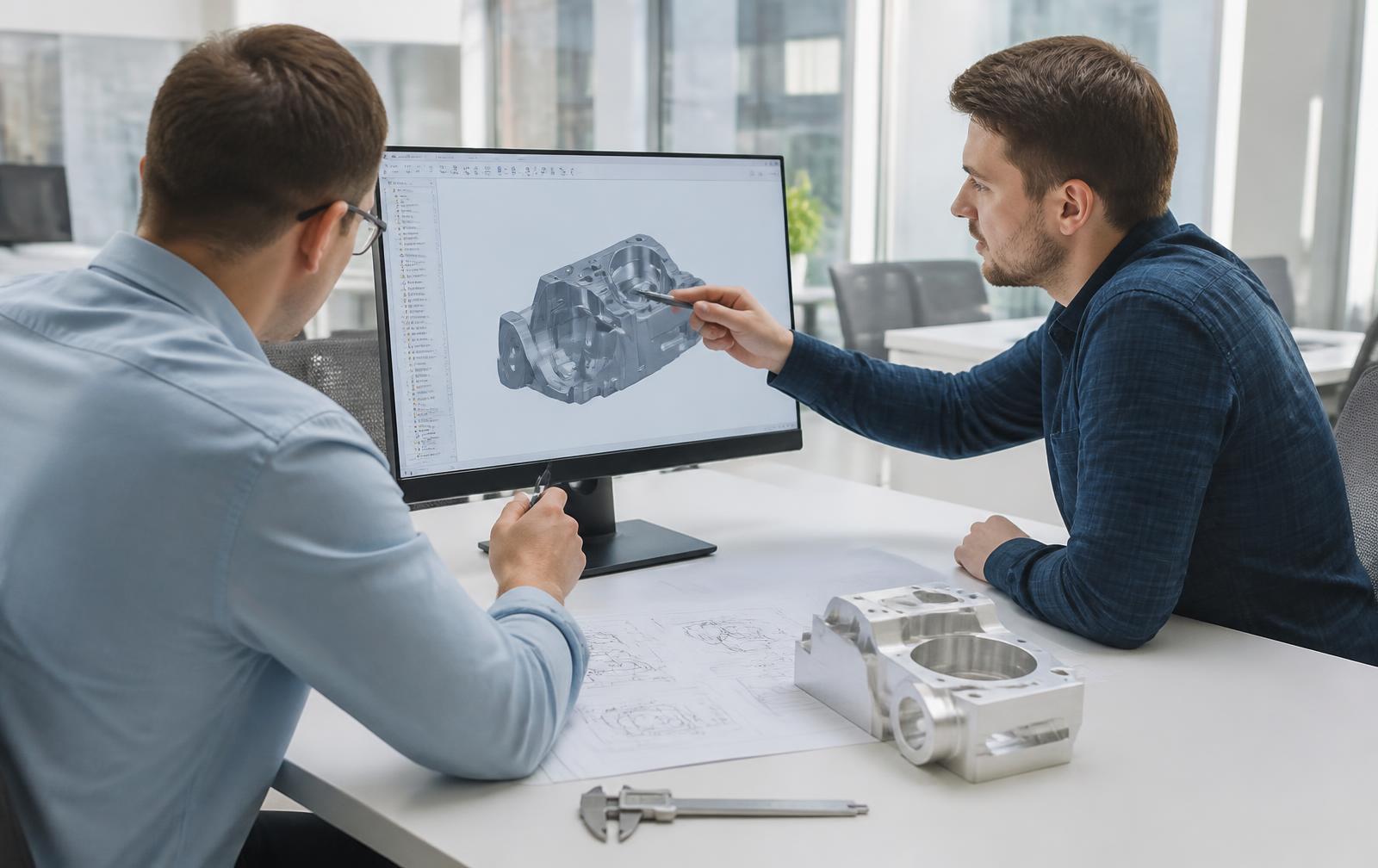
Machined components for packaging and food processing equipment
Packaging and food processing equipment is designed around cleaning as much as around throughput. Components see caustic washdown, high-pressure rinse, and temperature cycling, so material selection and surface condition matter more than raw tolerance on most parts. 316 stainless resists chloride attack and aggressive cleaning chemistry that will pit 304 over time, and both take the smooth, continuous finishes that make a surface practical to clean.
Geometry follows the same logic. Radii instead of sharp internal corners, avoided crevices and blind pockets, and finish callouts on product-contact faces all reduce places where residue can accumulate. Those choices are cheaper to make during design review than after a line is validated, which is why DFM feedback on cleanability tends to be the highest-value engineering input on this equipment.
Wear and change parts drive much of the recurring volume. Conveyor guides, star wheels, formers, and mechanism components in Delrin, PTFE, and PEEK provide low-friction, non-marring product contact and are consumed on a schedule. Keeping those setups and programs qualified is what makes a reorder fast when a line is down.
Documentation expectations are usually lighter than aerospace or defense but not absent: certified material for stainless used in food-adjacent equipment, dimensional inspection on critical features, and a Certificate of Conformance with each shipment cover most equipment builders' quality systems.
Engineering resources for packaging & food processing buyers.
Reference material relevant to packaging & food processing part programs.
Additional engineering guides are in development.
Packaging & Food Processing — FAQs
The questions engineering and procurement teams ask most often before a first quote.
Can you supply 316 stainless for washdown environments?
Yes — 316 is a stocked stainless grade we run regularly for corrosion-resistant applications.
Do you provide material certs for food-contact equipment?
Material certifications with heat and lot traceability are available on request, with a Certificate of Conformance on every shipment.
Can you review geometry for cleanability?
Yes. DFM review covers radii, crevices, blind pockets, and finish callouts that affect how practical a surface is to clean — feedback that's far cheaper before a line is validated.
Do you machine Delrin, PTFE, and PEEK change parts?
Yes. Those grades are machined regularly for low-friction, non-marring product contact on conveyors, guides, and change parts.
Can you remake wear parts from an existing print?
Yes. Where drawings and material specifications are available, wear and change parts are remade from retained setups so reorders move quickly.
What surface finishes can you hold?
Finish callouts are reviewed at quoting and verified with surface profilometry against the drawing requirement.
Do you support recurring releases as equipment platforms repeat?
Yes. Recurring part numbers run from controlled setups, keeping duplicated equipment builds consistent.
How quickly do you quote?
Quote turnaround is typically one business day once prints, material, and quantities are available.
Start your next packaging equipment machining project.
Upload your CAD files or drawings and our engineering team will review the packaging & food processing project requirements. Quote turnaround is typically one business day.