Wire EDM for Aerospace
Wire EDM for aerospace tooling details, hardened fixture components, and precision profiles requiring sharp internal geometry that milling cannot reach.
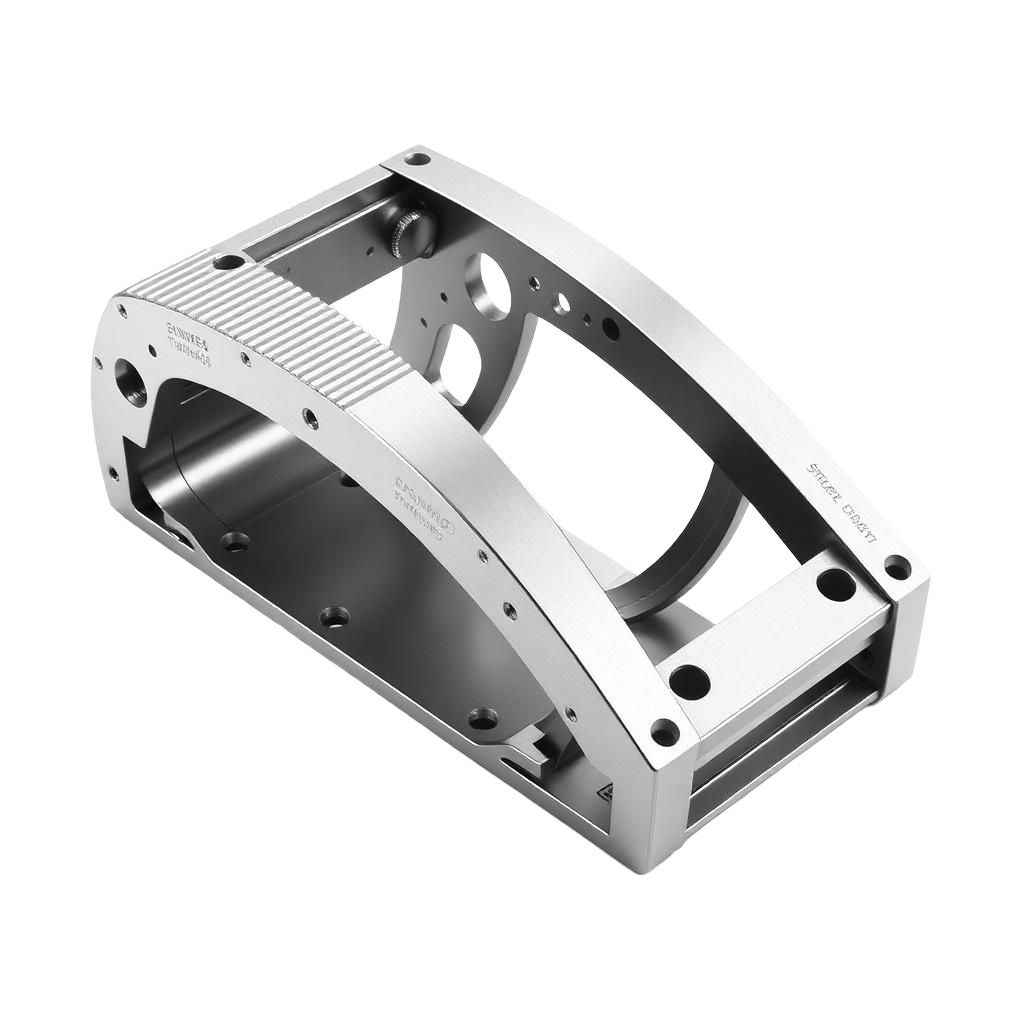
- Typical Tolerance
- ±0.0002"
- Primary Materials
- Aluminum · Titanium · Stainless
- Production
- Prototype → Production
- Machine Type
- Mitsubishi MV2400S wire EDM
Why Aerospace Manufacturers Use Wire EDM
- Wire EDM suits hardened materials, intricate internal profiles, and sharp internal corners that conventional machining cannot reach, which is common across aerospace programs.
- Cuts hardened materials post heat-treat without inducing stress.
- Produces sharp internal corners that a rotating cutter cannot form.
- Excellent as-cut surface finish reduces downstream operations.
- AS9102 First Article Inspection when flowed down on Wire EDM programs.
Wire EDM Applications in Aerospace
Airframe and Structure
- Brackets
- Mounts and supports
Engineering Considerations for Aerospace Wire EDM
Part Geometry
- Sharp internal corners at wire diameter
- Tight internal profiles held on hardened stock
- Stacked plates cut in one pass for repeatable geometry
Material Behavior
- Any conductive material — hardness is not a constraint
- Tool steels A2 / D2 and carbide cut without inducing heat-affect on part geometry
- Distortion control on thin-wall aluminum and titanium structure
- Burr control on flow surfaces and mating features
Design and Tolerancing
- Profile tolerances driven by wire diameter and cut passes
- Skim passes used to hold surface finish targets
- Positional tolerances across multiple faces
- Surface finish on sealing and interface features
Production Planning
- Fixture design to support parts through the full cut
- Program sequencing to keep detail retention during finishing passes
- Documented setups carried across repeat orders
- Program-level material lot control
Materials Commonly Used in Aerospace Wire EDM
View Aluminum overview
High-strength aluminum alloys used for aerospace brackets, housings, and structural components where low weight and efficient material removal are priorities on Wire EDM.
6061 / 7075 / 2024View Titanium overview
Titanium alloys for aerospace components requiring high strength-to-weight and corrosion resistance; Wire EDM strategy tuned for rigid workholding and controlled heat.
Ti-6Al-4VView Stainless Steel overview
Stainless grades selected for aerospace components requiring corrosion resistance, strength, and controlled surface finish — routinely run on Wire EDM at Northline.
304 / 316 / 17-4 PHView Inconel overview
Nickel-based superalloys for aerospace components exposed to elevated temperature or corrosive environments; Wire EDM strategy managed with controlled tool engagement.
625 / 718Wire EDM Advantages for Aerospace Components
- Cuts hardened materials post heat-treat without inducing stress.
- Produces sharp internal corners that a rotating cutter cannot form.
- Excellent as-cut surface finish reduces downstream operations.
- Minimal cutting force preserves geometry on thin or delicate profiles.
How We Inspect Aerospace Wire-EDM-Produced Components
Inspection and documentation shaped to the requirements typical of aerospace programs.
Quality systemOptical comparator on profile details
CMM verification on hardened tooling components
AS9102 First Article Inspection when flowed down
Material certifications with full heat/lot traceability
Certificate of Conformance on every shipment
ITAR-registered controlled-data handling
Why Aerospace Manufacturers Work With Northline
- Repeatable production across long-running airframe and system programs
- Documented setups that carry across repeat orders
- Prototype through qualified production in one facility
- ITAR-registered US manufacturing
Related Manufacturing Resources
Wire EDM overview
Machines, envelopes, materials, and tolerances for this capability.
Aerospace industry
Requirements and considerations across this industry sector.
Surface Grinding for Aerospace
Surface Grinding applied to aerospace programs with documented inspection.
5-Axis Milling for Aerospace
5-Axis Milling applied to aerospace programs with documented inspection.
Inspection & Metrology for Aerospace
Inspection & Metrology applied to aerospace programs with documented inspection.
Tolerance standards
Typical process ranges by feature type.
First Article Inspection
Documentation and workflow for qualified programs.
Engineering resources
DFM, tolerance, and material guides for design teams.
Wire EDM for Aerospace — FAQs
The questions engineering and procurement teams ask most often before a first quote.
What aerospace components are well suited to Wire EDM?
Wire EDM suits hardened materials, intricate internal profiles, and sharp internal corners that conventional machining cannot reach. Typical aerospace parts include Brackets, Mounts and supports.
What tolerances are typical for aerospace Wire EDM?
Northline holds ±0.0002" as a typical envelope on Wire EDM, with tighter callouts held on qualified features and reviewed against process capability during quoting.
Which aerospace materials can Northline wire EDM?
Common aerospace materials include Aluminum 6061 / 7075 / 2024, Titanium Ti-6Al-4V, Stainless 304 / 316 / 17-4 PH, Inconel 625 / 718. Grade selection and heat/lot traceability are maintained; alternates are reviewed during quoting.
Can Northline provide First Article Inspection documentation?
Yes. AS9102-format First Article Inspection reports are available on request. Northline is ISO 9001:2015, AS9100D, and ITAR registered.
Can you support both prototype and repeat aerospace production?
Yes. The same setups used for prototype and first-article carry into repeat production, so geometry and inspection results carry forward without a process change.
How do you control aerospace-specific engineering considerations on Wire EDM?
Sharp internal corners at wire diameter. Datum strategy, inspection frequency, and fixturing are reviewed during quoting against the specific aerospace drawing requirements.
Ready to discuss your aerospace machining project?
Upload your CAD files and receive an engineering review within one business day.