Swiss Turning for Medical Device
Swiss turning for medical device pins, drivers, and small-diameter fittings — guide-bushing support and bar-fed production hold tight tolerances at volume.
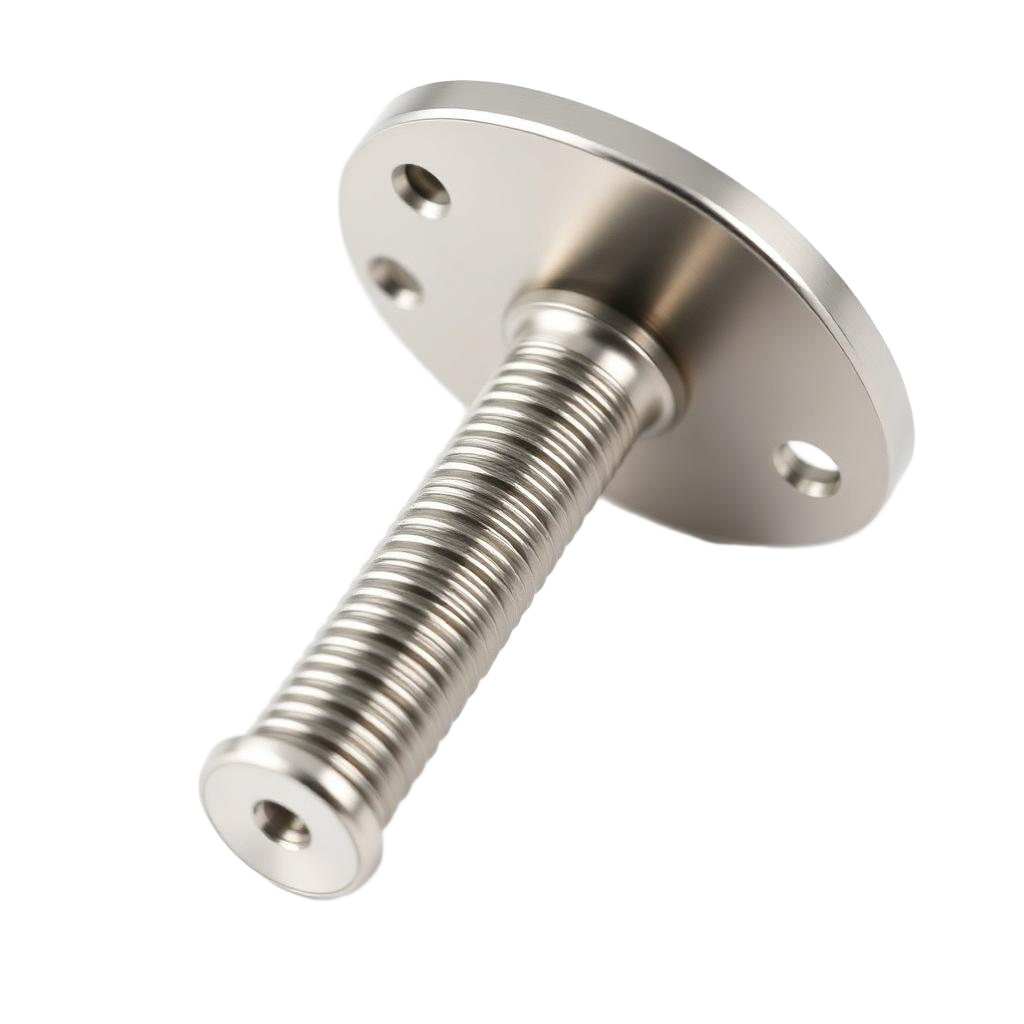
- Typical Tolerance
- ±0.0002"
- Primary Materials
- Stainless · Titanium · PEEK
- Production
- Prototype → Production
- Machine Type
- Citizen L20 Swiss-type lathe
Why Medical Device Manufacturers Use Swiss Turning
- Small-diameter surgical and drive components produced with guide-bushing support for deflection control.
- Live tooling adds cross-holes and flats without secondary operations.
- Bar-fed production sustains consistent cycle time on device lots.
- Lot-controlled runs align with device-history documentation.
- Passivation coordination for stainless components.
Swiss Turning Applications in Medical Device
Surgical Instruments
- Instrument bodies and handles
- Handpiece and drive components
Diagnostic and Fluidic
- Diagnostic equipment housings
- Fluidic and dispensing components
Fixturing and Trays
- Instrument trays and holders
- Non-implant fixturing
Engineering Considerations for Medical Device Swiss Turning
Part Geometry
- Slender parts supported through the guide bushing to control deflection
- Micro-features and fine threads produced without secondary operations
- Cross-holes and flats added in-cycle with live tooling
Material Behavior
- Free-machining stainless and brass tuned for surface finish and chip control
- PEEK and engineering plastics machined with sharp tools and controlled heat
- Passivation coordination for stainless components
- Burr-free machining on internal passages and fluid paths
Design and Tolerancing
- Diameter tolerances verified with in-process gauging
- Thread pitch confirmed on production lots
- Surface finish on tissue- and fluid-contact features
- Dimensional repeatability across production lots
Production Planning
- Bar-length planning to minimize remnant and setup
- Lot-controlled runs for medical and electronics programs
- Lot traceability from raw stock through finished component
- Repeat production on documented setups
Materials Commonly Used in Medical Device Swiss Turning
Explore Stainless Steel Swiss Turning
Stainless grades selected for medical device components requiring corrosion resistance, strength, and controlled surface finish — routinely run on Swiss turning at Northline.
303 / 304 / 316 / 17-4 PHExplore Titanium Swiss Turning
Titanium alloys for medical device components requiring high strength-to-weight and corrosion resistance; Swiss turning strategy tuned for rigid workholding and controlled heat.
Ti-6Al-4VView Engineering Plastics overview
Engineering plastics for medical device components requiring dielectric properties, low friction, or chemical resistance — Swiss turning tuned for sharp tooling and controlled heat.
PEEK · Delrin · PTFESwiss Turning Advantages for Medical Device Components
- Guide bushing support holds tight tolerances on small-diameter parts.
- Bar-fed production runs unattended for predictable cycle time.
- Full-part completion off the bar reduces handling and lead time.
- Concentricity holds on long, slender geometry that would deflect in a chuck.
How We Inspect Medical Device Swiss Turning-Produced Components
Inspection and documentation shaped to the requirements typical of medical device programs.
Quality systemOptical comparator on complex profiles
Diameter and length verification on lot samples
Material certifications with heat/lot traceability
Documented inspection on critical dimensions
Certificate of Conformance on every shipment
Why Medical Device Manufacturers Work With Northline
- Prototype-through-production transitions
- Engineering collaboration on tolerancing and material selection
- Clean handling on finished components
Related Manufacturing Resources
Swiss Turning overview
Machines, envelopes, materials, and tolerances for this capability.
Medical Device industry
Requirements and considerations across this industry sector.
CNC Turning for Medical Device
CNC Turning applied to medical device programs with documented inspection.
Inspection & Metrology for Medical Device
Inspection & Metrology applied to medical device programs with documented inspection.
Tolerance standards
Typical process ranges by feature type.
First Article Inspection
Documentation and workflow for qualified programs.
Engineering resources
DFM, tolerance, and material guides for design teams.
Swiss Turning for Medical Device — FAQs
The questions engineering and procurement teams ask most often before a first quote.
What medical device components are well suited to Swiss Turning?
Swiss Turning suits small-diameter, long, or slender turned components requiring tight tolerances at production volume. Typical medical device parts include Instrument bodies and handles, Handpiece and drive components, Diagnostic equipment housings, Fluidic and dispensing components.
What tolerances are typical for medical device Swiss turning?
Northline holds ±0.0002" as a typical envelope on Swiss Turning, with tighter callouts held on qualified features and reviewed against process capability during quoting.
Which medical device materials can Northline Swiss turn?
Common medical device materials include Stainless 303 / 304 / 316 / 17-4 PH, Titanium Ti-6Al-4V, PEEK · Delrin · PTFE. Grade selection and heat/lot traceability are maintained; alternates are reviewed during quoting.
Can Northline provide inspection documentation for medical device programs?
Yes. Documented dimensional inspection, material lot traceability, and Certificate of Conformance are provided. Northline is ISO 9001:2015 certified and supports device-history documentation flowed down from customer quality systems.
Can you support both prototype and repeat medical device production?
Yes. The same setups used for prototype and first-article carry into repeat production, so geometry and inspection results carry forward without a process change.
How do you control medical device-specific engineering considerations on Swiss Turning?
Slender parts supported through the guide bushing to control deflection. Datum strategy, inspection frequency, and fixturing are reviewed during quoting against the specific medical device drawing requirements.
Ready to discuss your medical device machining project?
Upload your CAD files and receive an engineering review within one business day.